
To all Christians living around the world, We knew that Jesus was a prophet who made miracles and served the people and was the Son of God. The source of our knowledge about Christ came from the Bible, especially when he sacrificed his life for us and crucified on the cross. Most of us accepted the description of him in the Bible as a fact. Did we ever think about how accurate our ideas about Jesus are? Some people were stated in the Bible, who did not have the precise answer to all our questions. It might be the reason there was incorrect information about the Messiah.
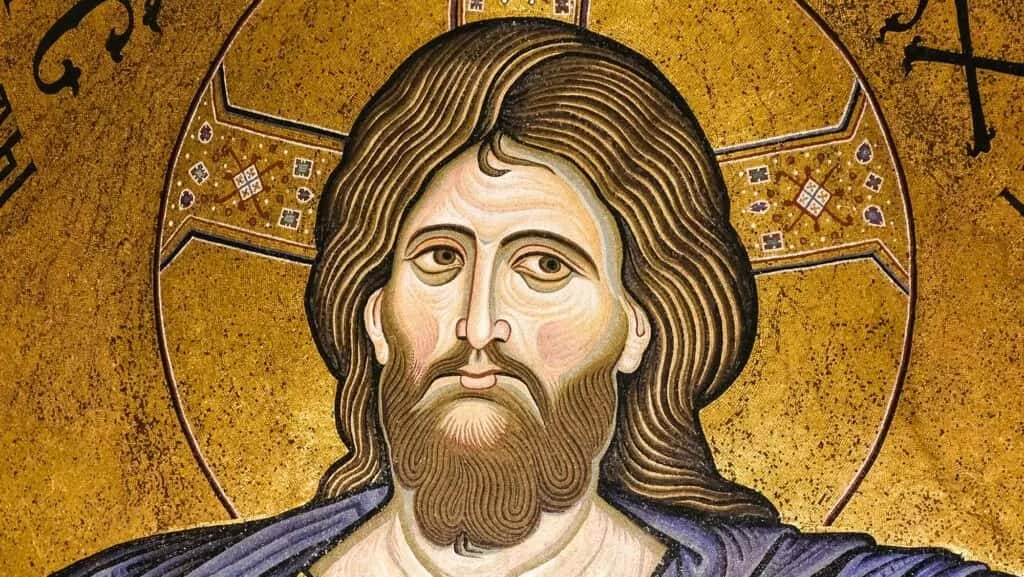
Scholars Attest That The Bible Got One Detail About Jesus That Is Unfortunately Not True
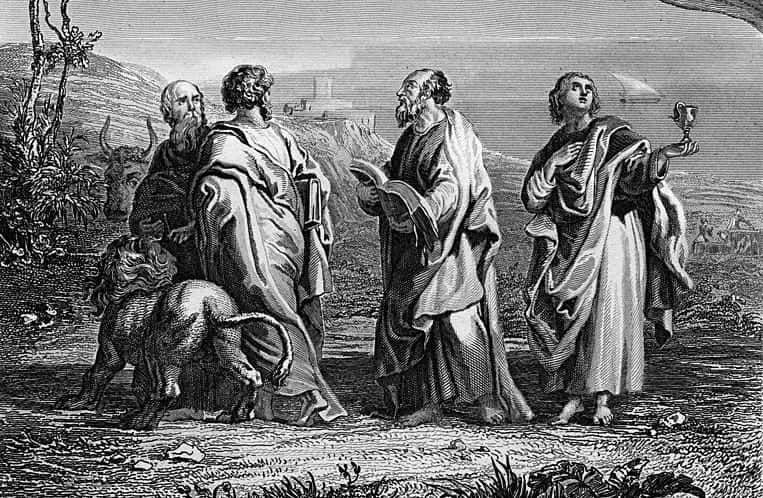
Four Books Of The New Testament
Many people believed that their ideas about Jesus Christ came from the Bible. It originated in the New Testament: Matthew, Mark, Luke, and John. However, the description of Jesus in the different chapters in the Bible did not have similarities, and we could say that every chapter in the book did not have the same description of the Messiah. Also, it did not give a reasonable explanation about what he did on Earth. However, for some believers, it was enough reason for them to believe how Jesus lived in the world.
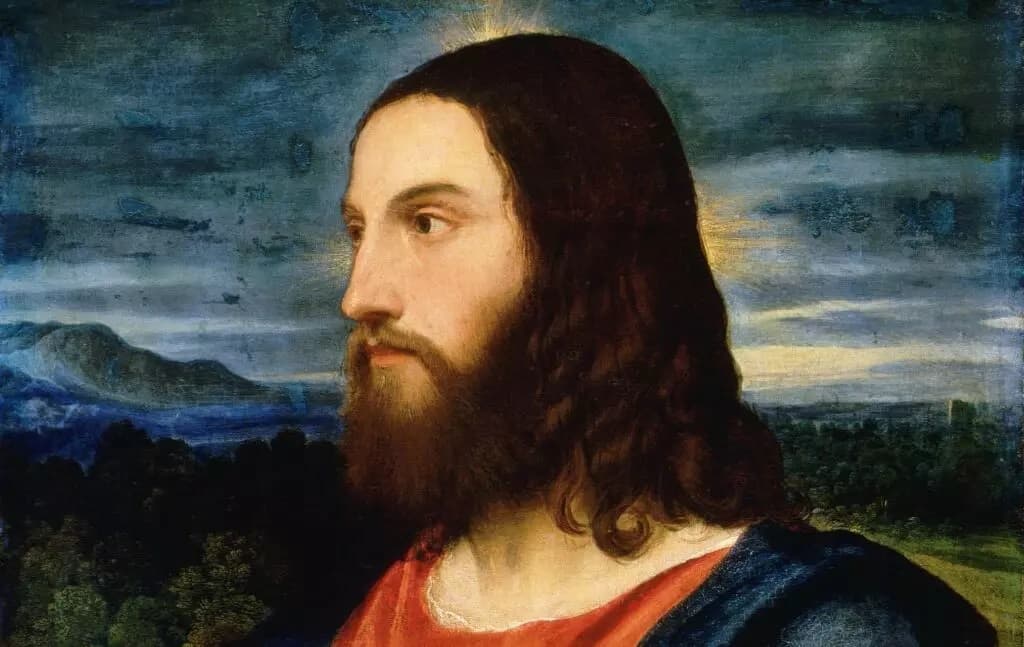
Four Books Of The New Testament
The Books Are Not Accurate
Some believed that the four gospels in the Bible were written between sixty-six and one hundred ten A.D. The description in the Bible was written after His death. We might think it was not long ago before it was written, but there might be a chance that the one who wrote this explanation did not witness how Jesus lived on the Earth with themselves. It might be possible that the record was altered by the person who passed the message to the newer generation. There was a chance that the transcription was different from the original life of the Messiah.

The Books Are Not Accurate
Factual Error
However, if the person who saw the life of Jesus while he was living did not write everything by himself, it could mean there were factual errors in the Gospel because one might alter what surely happened in his life. Also, most errors were carried until our current era. Especially this one factor, it was the most inaccurate description in the book.
Factual Error
The Works Of Roman Historians
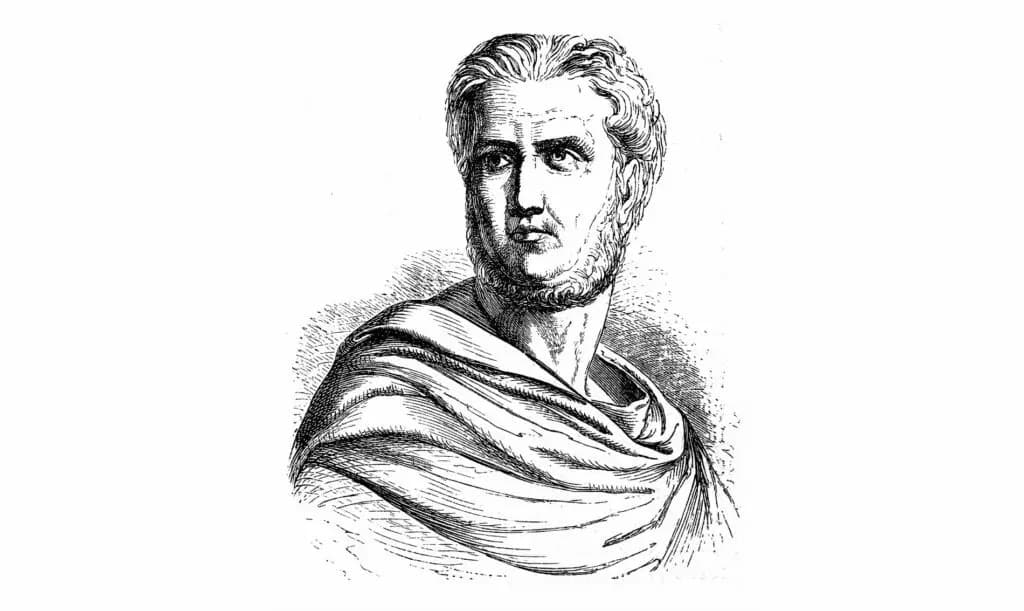
There were other sources where the scholars got their information about the life of Jesus. One most crucial source they ever found was in the works Roman historians Publius Cornelius Tacitus and Titus Flavius Josephus. For example, in Tacitus’ volume Annals, he stated Pontius Pilate, who was the Roman Governor of Judea, was the one who killed Jesus. There were matching contents in the book telling the same person who killed the Messiah.
The Works Of Roman Historians
Jesus And James
Josephus was Jewish and originally was given a Hebrew name Yosef ben Matityahu at birth. Also, he was living in Jerusalem, where it was in the Roman province of Judea. He was born in thirty-seven A.D. His work in that period was about both Jesus and his brother named James.

Jesus And James
Unfortunate Events
At this point, we have definite historical proof for the life of Jesus. It was much better verification about the existence of Alexander the Great. There was an example of an inappropriate mistake in the information we knew all about how Jesus lived. It pointed towards the real description of the four gospels that were recorded in ancient Greek.

Unfortunate Events
Translation And Transliteration
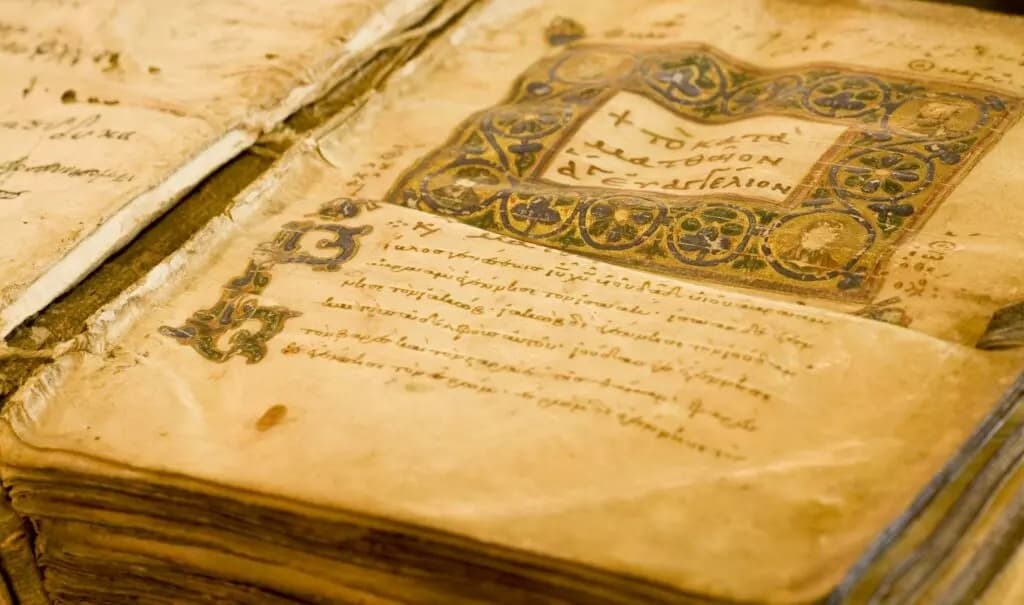
We have more proof about the subject, and we could find it in the translation or transliteration wherein the record of the Bible had added a mistake in the documents. It had a valuable meaning among translation and transliteration that worth mentioning because it might alter evidence about the real life of Jesus. Transliteration that engaged about the same alphabets was transferred to another transcription. However, it became complicated when the two alphabets used in the book did not have the same letter in the other alphabets.
Translation And Transliteration
Act Of Changing A Word
However, translation meant to change different words or a text from one linguistic to another. It might be more straightforward than the transliteration because of how uncomplicated it was when used for recording. However, this method had its downfall. When the scholar translated or transliterated what was written in the book, it resulted in a complicated problem and occasionally led them to errors.

Act Of Changing A Word
“Place-makers’ Bible”
In the evidence we had found, we would think there were evident mistakes about the records in the Bibles throughout the centuries. In 1562, in the second edition of the Geneva Bible, there were writings like “Blessed be the place-makers.” However, it should be “Blessed be the peacemakers.” It resulted in making the version of the book into “Place-makers’ Bible.”
“Place Makers’ Bible”
The “Wicked Bible”
Here was another evidence that was worth mentioning in the Bible created in the English language in the era of 1631. Some of the records were written in the book and were inaccurate, leading to a problem. Robert Barker and Martin Lucas published the book. However, they were accountable for making the holy book into something disturbing. The book they created was later known as the “Sinner’s Bible” or other called “Wicked Bible.”
The “Wicked Bible”
King James Version
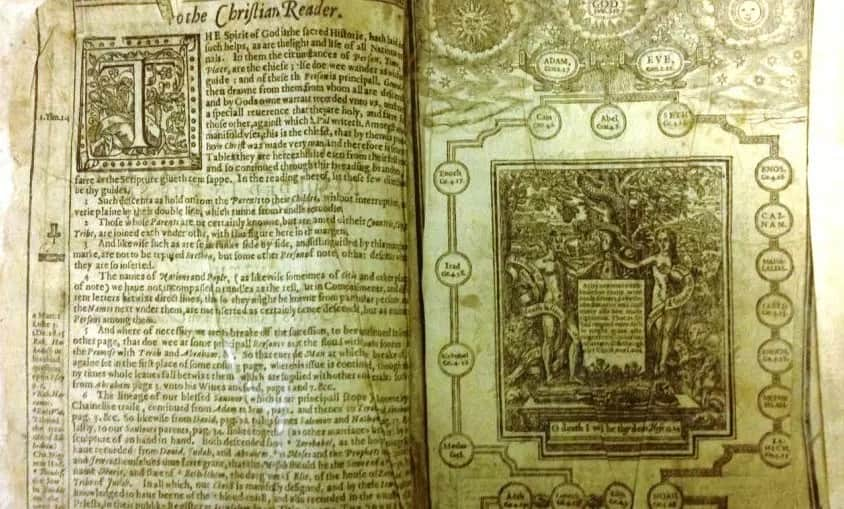
Barker and Lucas did not mean to publish their new translation of the book. However, their real motives were to create a book like the edition of the King James Bible. They tried to replicate every single word in the King James Bible. Also, Barker was the actual producer of the first edition of King James Bible in the era 1611 even though the other recent versions of the Bible did not have the same outcome created by Barker and Lucas.
King James Version
The Compositor
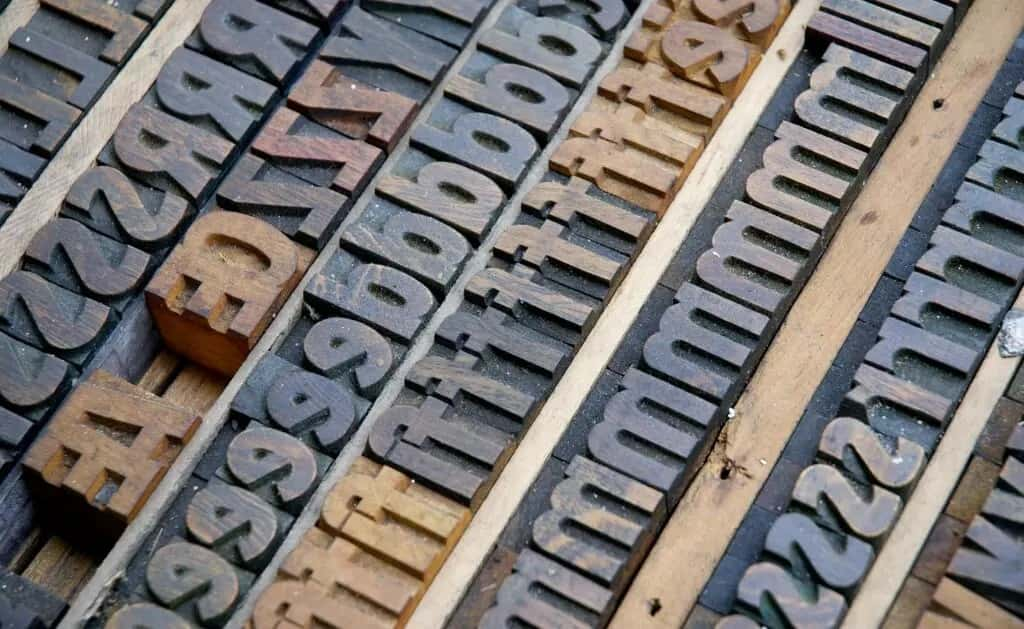
We might think though that there was horrible inexactness in the work of Barker and Lucas. It might be the outcome of the composer’s recklessness. The work of the compositor was a person who arranged different letters into the blocks or machine. Later, the person would prepare his work for the printing press. If the typesetter or compositor made a mistake, their errors would be seen in their final product.
The Compositor
The Ten Commandments
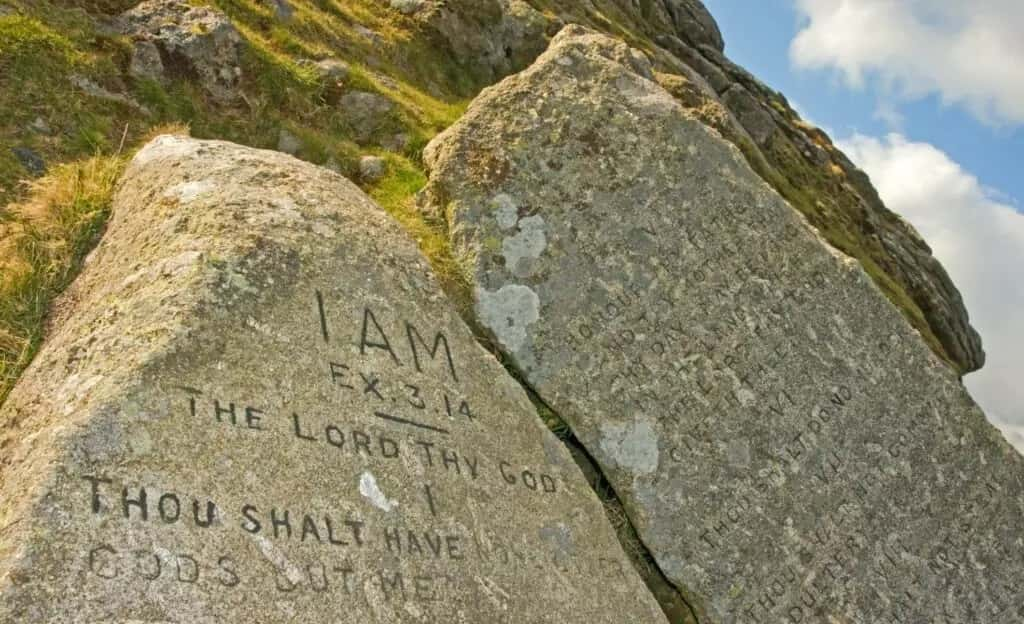
There was an unfortunate event that happened when there were typographically mistakes in the book, especially when the error was in the critical message in the Ten Commandments of the Old Testament. The worst part was, the fault in the book reversed the meaning of the commandments. Notably, it was the statement in the commandment telling us, “Thou shalt not commit adultery.”

The Ten Commandments
The “Adulterer’s Bible”
In the Bible created by Barker and Lucas, the meaning in the commandment was, “Thou shalt commit adultery.” The critical word “not” was not inserted by the compositor. It could somehow be avoided when double-checking their work. However, the book they created also became a version called “Adulterer’s Bible.” The result of their inexcusable mistake was terrible.
The “Adulterer’s Bible”
Barker And Lucas Were Summoned
In that period, the king of the English was Charles I. Some reported he became angry because of the mistake in the book. Barker and Lucas were called into the Star Chamber. The chamber was a different court in that era—the consequence of the two men where they had been penalized an amount of three hundred euro. In our current period, it was estimated forty thousand dollars, and their licenses as a printer were revoked as a part of their punishment. Several reproductions of the book called “Wicked Bible” was traced and incinerated

Barker And Lucas Were Summoned
Check Your Bible
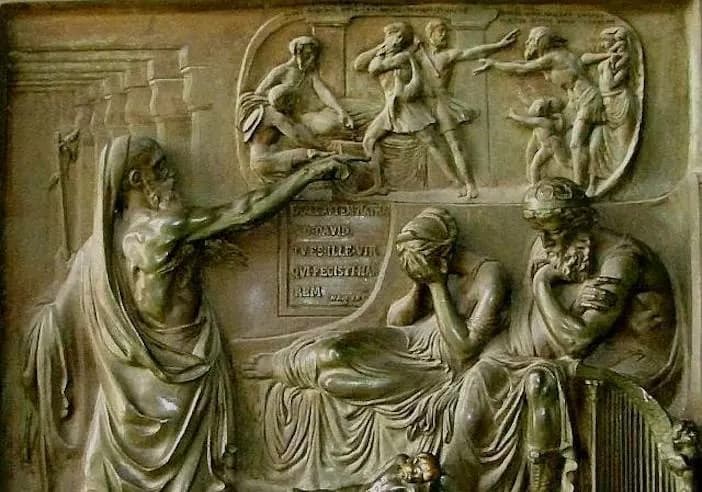
However, some of the Bibles remained and were not totally obliterated. No one knew if there were those “Wicked Bible” still existed in our period. If those books were still present, how many of those Bibles were still existing and who was the owner of the books. Even though the book became rare nowadays, it made the Bible an expensive item. When a person who owned a book came in the auctioneer’s Bonhams in the year 2015, it was sold for an amount of forty thousand dollars. If we owned an old version of Good Book, we might see the content of the Ten Commandments. We could be that person who was lucky enough to take home forty thousand dollars.
Check Your Bible
Another Mistake
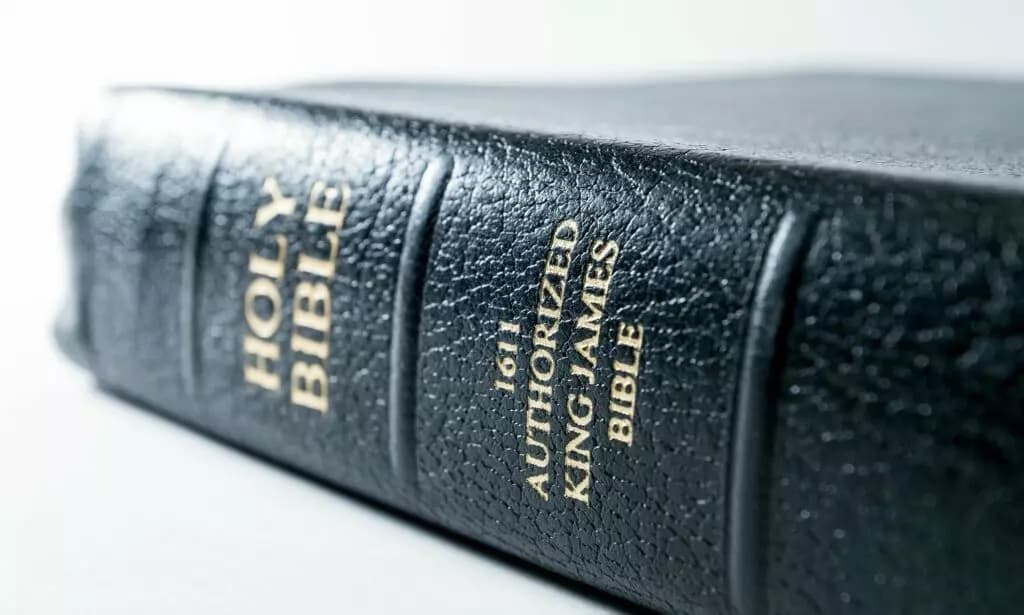
Another mistake had been reported in the 1653 printing of the King James Bible produced by the Cambridge Press. The error in the book was in the New Testament’s 1 Corinthians. The verse stated that “Know ye not that the righteous shall inherit the kingdom of God?” It was the real statement we should consider reading if we were practicing being a good Christian.
Another Mistake
The “Unrighteous Bible”
However, Cambridge Press achieved to reverse its meaning with a simple mistake in the book. They did include the “un” in the statement, and the result was terrible. If we read the statement, it would come up like this “Know ye not that the unrighteous shall inherit the kingdom of God?” In the end, the Bible published by the Cambridge Press became “Unrighteous Bible.”

The “Unrighteous Bible”
The Book Of Deuteronomy
Another example of a Bible that had a typographical error in the 1682 version of the King James Bible. In the statement of the Old Testament book of Deuteronomy, which tackled divorce. The statement that was written in the Old Testament said, “And if the latter husband hated her…” however, in the other version of the book called “Cannibal’s Bible,” it was declared, “And if the latter husband ate her…”
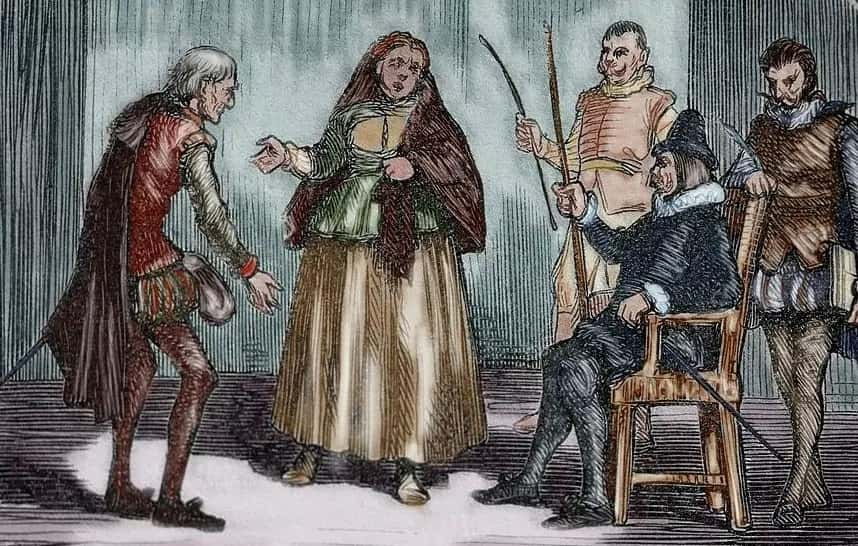
The Book Of Deutoronomy
Sin No More
Also, in the 1716 edition of King James Bible, Jeremiah’s book had an inappropriate error in the texts. In the book, it should be “Sin no more” however, it became “Sin on more,” which had different meanings on the original statement. There were 8,000 copies of this version released to the people before they noticed the mistake.
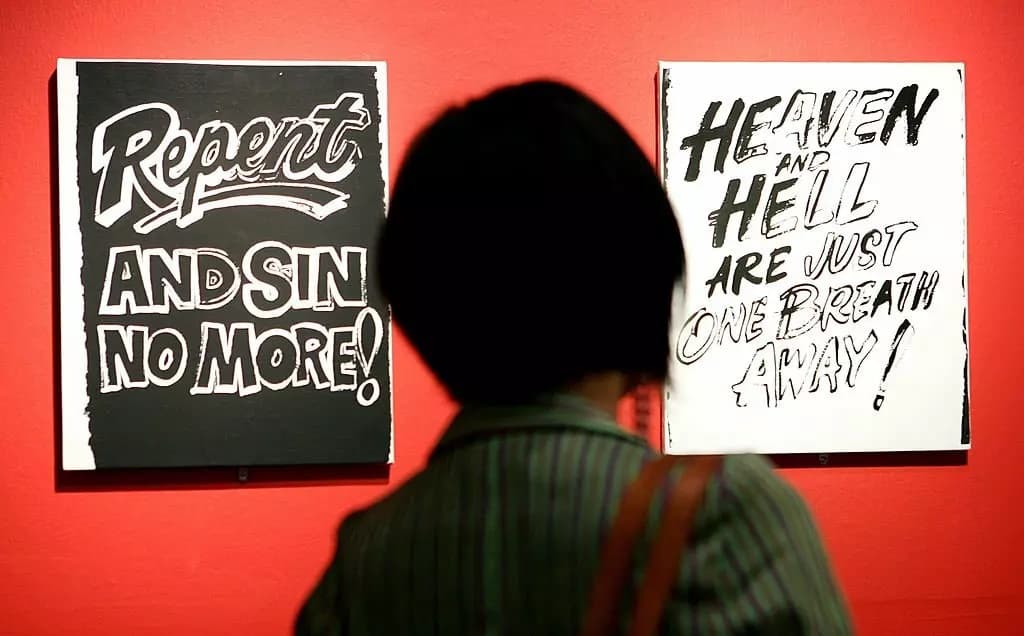
Sin No More
The “Child-Killer Bible”
In the 1795 version of the Bible or the so-called “Child Killer Bible” was released to the public. If we would read the normal phrase of the Gospel of Mark in chapter 27, verse 27, it should be written, “But Jesus said unto her, Let the Children first be Filled…” The Messiah told us that the children should be the first ones to eat. However, in the other version of the Bible, the meaning was changed because the word “filled” was replaced with “killed.”
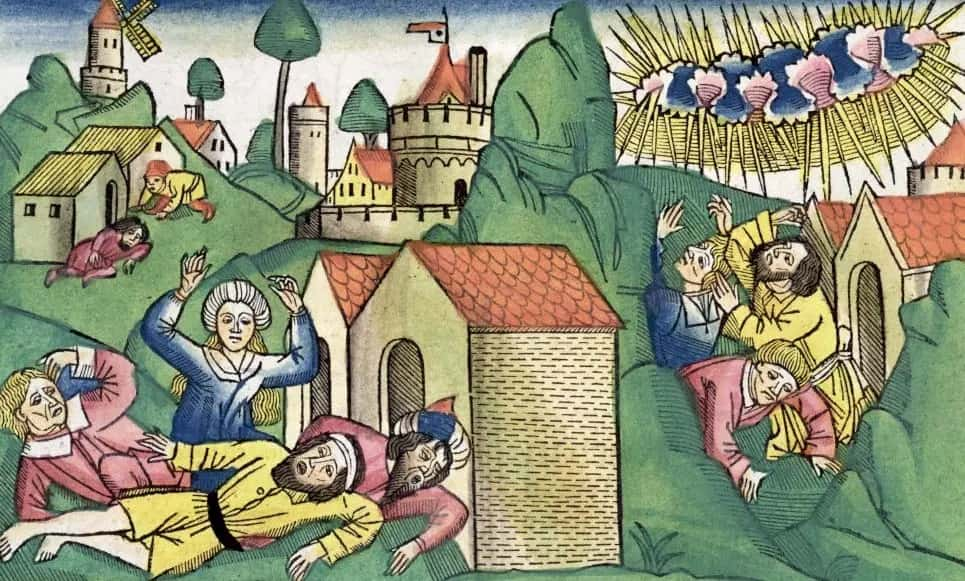
The “Child Killer Bible”
The “Owl Husband Bible”
In this example, it might be the oddest typographical errors that had been made in the Bible. The version of the book became the “Owl Husband Bible.” Phrase inside the book was, “While women should have been beseeched to submit themselves to their own husband.” However, in the 1944 edition of the Bible, the word “own” became “owl,” resulted in something unrealistic.

The “Owl Husband Bible”
The Messiah
There were many mistakes in those past years. We gathered enough collection of errors in different versions of Bibles—all the examples mentioned in the list. However, there was one wrong message that made other versions put to shame. The inaccuracy of the text was in Jesus’ name itself. It might be a severe problem of all the mistakes we had ever mentioned.
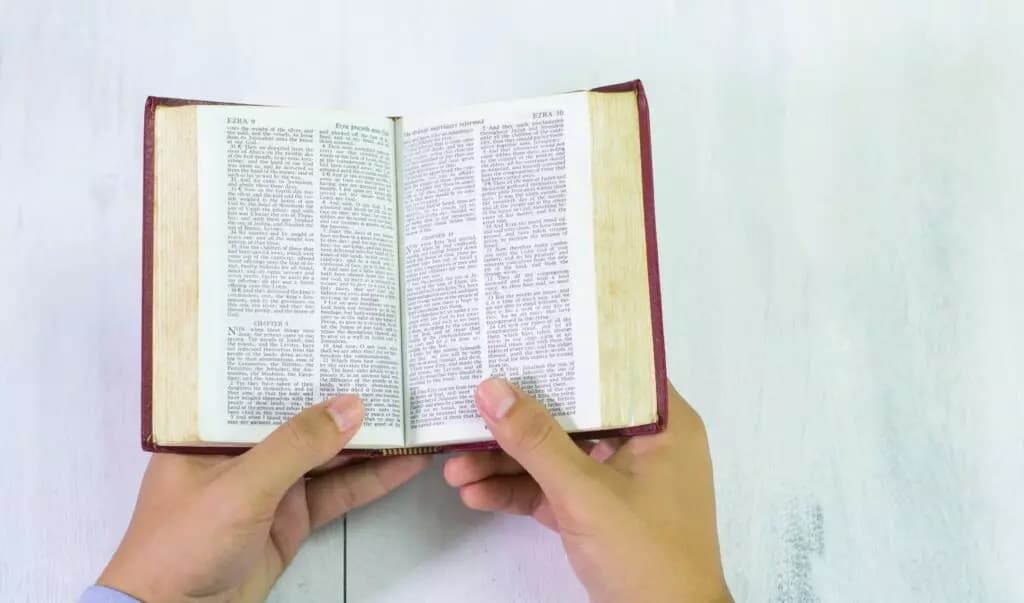
The Messiah
Christ Is A Title
Before we mentioned the error that was made in the name of Jesus, let us tackle how Jesus became the man whom we Christians believed as the Son of God. We always knew him in the name of Jesus Christ. However, there was much evidence telling us Christ was not a name, and it was a title given to the Messiah.

Christ Is A Title
The Anointed One
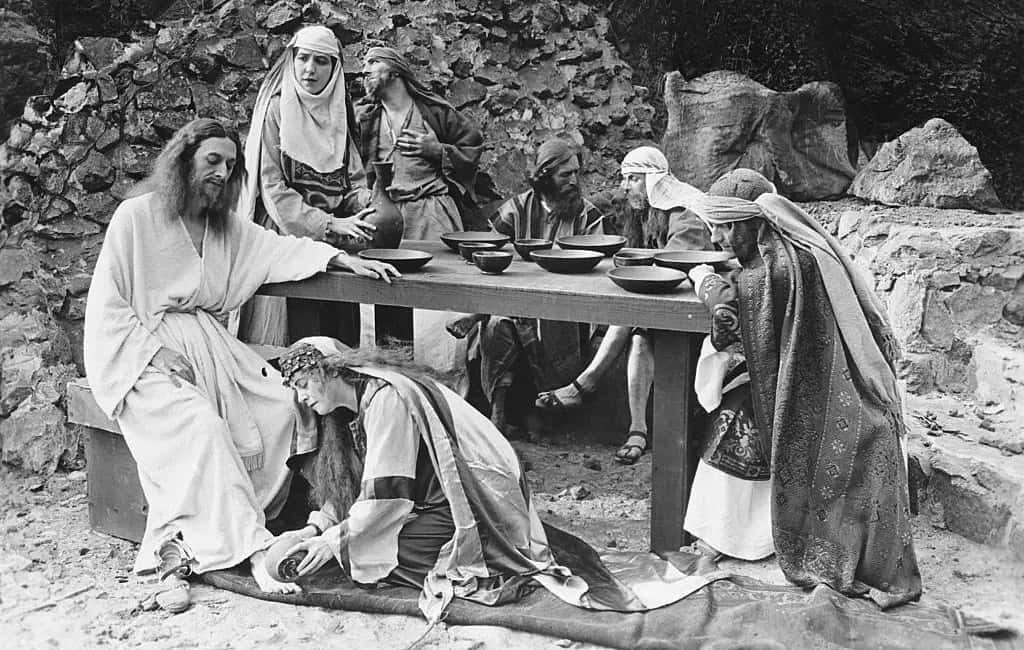
It was true that Christ was a title that came from the Greek word Christos, which came from the Hebrew term Mashiach. The name meant “The anointed,” and if we were going to translate it into an English word, it would say “Messiah.” In the tradition of the Hebrew, people who had done great did to their fellow humans were anointed by a unique holy oil. However, the Messiah we knew would not be recognized in his daily life as our savior Jesus Christ.
The Anointed One
The “Son Of”
In the era where Jesus was still living, Jewish people would follow their first name with “son of.” For example, for Jewish people, the name of the Messiah should become “Jesus son of Joseph,” or the word “son of” would change into the location. It was the reason why we heard the name of the Messiah became “Jesus of Nazareth.”
The “Son Of”
The Entire Family
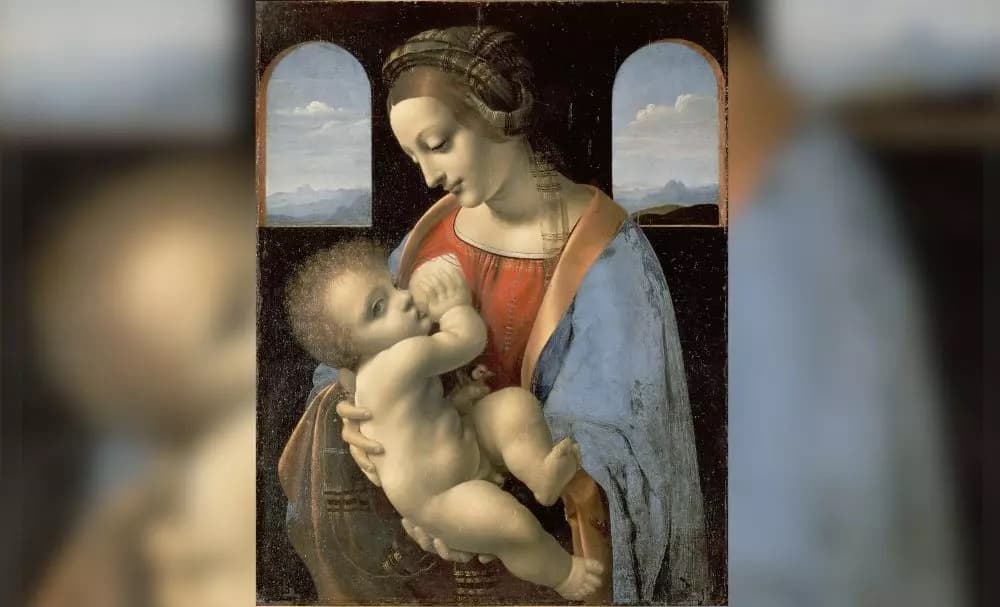
The “son of” or “daughter of” which was used in the system of the Jewish people was extended even further when used with the family. One example was written in the Gospel of Mark, in the statement of the book Jesus was referred as “the son of Mary, the brother of James, and Jose, and of Judah, and Simon.” It included all the family of the Messiah. However, his father, Joseph, was not included in the phrase.
The Entire Family
Yeshua As Jesus
There was a mistake every time we Christian referred to the name of the Messiah, and it had something to do with the name “Jesus” if we would ask why? “Jesus” was not the name used when he was still alive, but His Hebrew name. It was the name used in the Gospel as their original Greek. It was Yeshua, and even though we would base it in modern English, it was improper to decide Yeshua as Jesus because the name in Hebrew was translated into Joshua.

Yeshua As Jesus
There Are Other Yeshua’s In The Bible
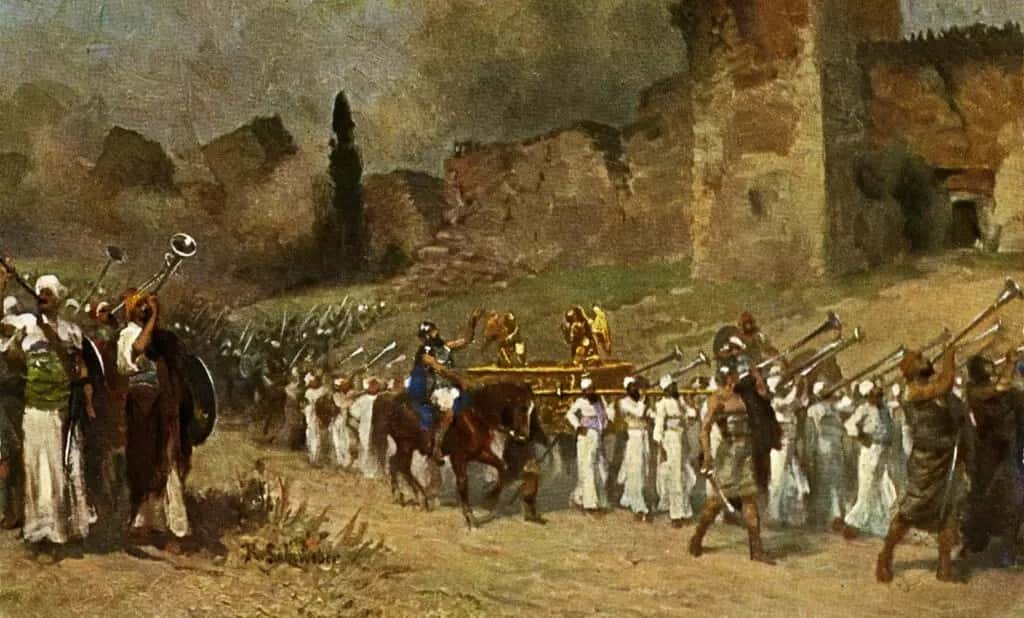
Another thing, different people were called Yeshua in the Bible. The name was shown 30 times in the Old testament. It also referred to 4 other people. However, we would not call them as Jesus, but instead Yeshua and transliterated as Joshua. The most notable Joshua in the Bible was the person who destroyed the walls of Jericho and conquering Canaanite City. He massacred all the living beings as punishment.
There Are Other Yeshua’s In The Bible
Modern Christians
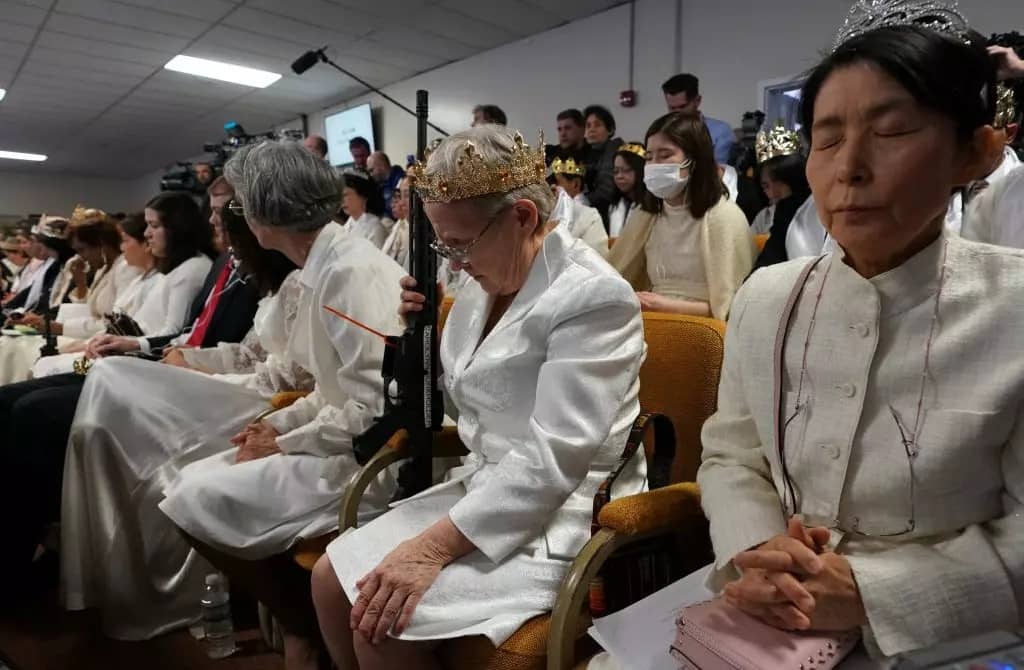
It meant that Christ was called Yeshua in His period when he was still living. How did the modern Christian call him Jesus? And why did we mention the four Yeshua in the book of the Old Testament as Joshua but not the name Jesus? The reason was about translational and transliteration errors.
Modern Christians
Joshua, Yeshua
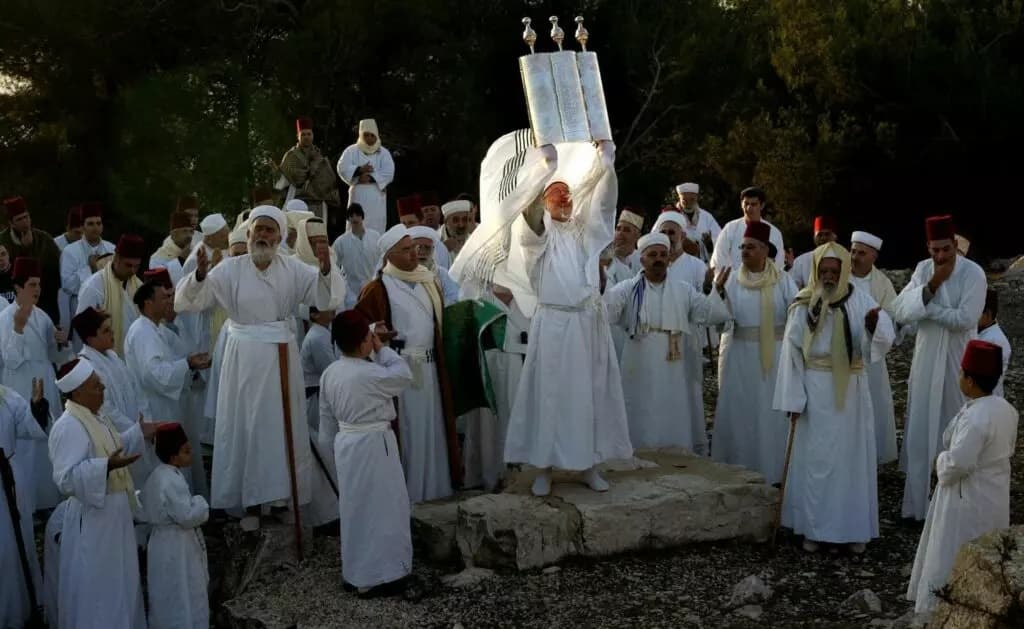
We would start talking about what was inscribed in the Old Testament. Most of the text in the book of the Old Testament was in Hebrew and few Aramaic letters and was later translated into the English language. While the New Testament also, the four gospels were written in Greek letters. When the scholars discovered the Hebrew name Yeshua in the book of the Old Testament, they transliterated the name as Joshua.
Joshua, Yeshua
Yeshua As Masculine Name
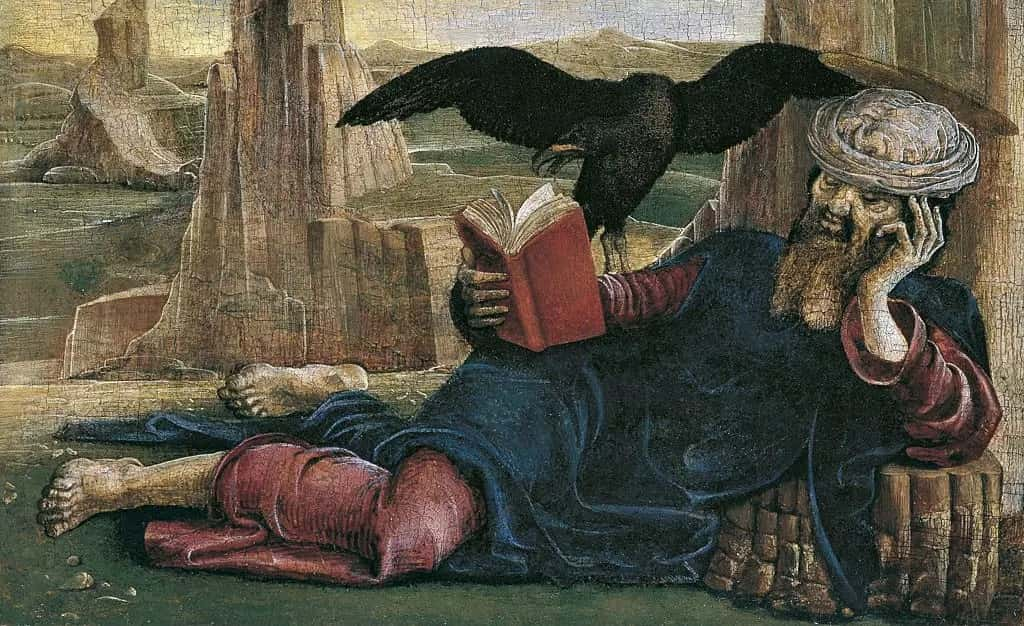
But when “Yeshua” was discovered in the Greek language in the book of the New Testament, it became somewhat different from the other name used in that era. In the Greek names, they did not have a sound for “sh” in their linguistics. It made their “sh” into an “s” sound. An additional “s” to the end made it become “Yeshua.” If we followed the Greek grammar rules, the name would become more manly.
Yeshua As Masculine Name
Thanks To The Changes
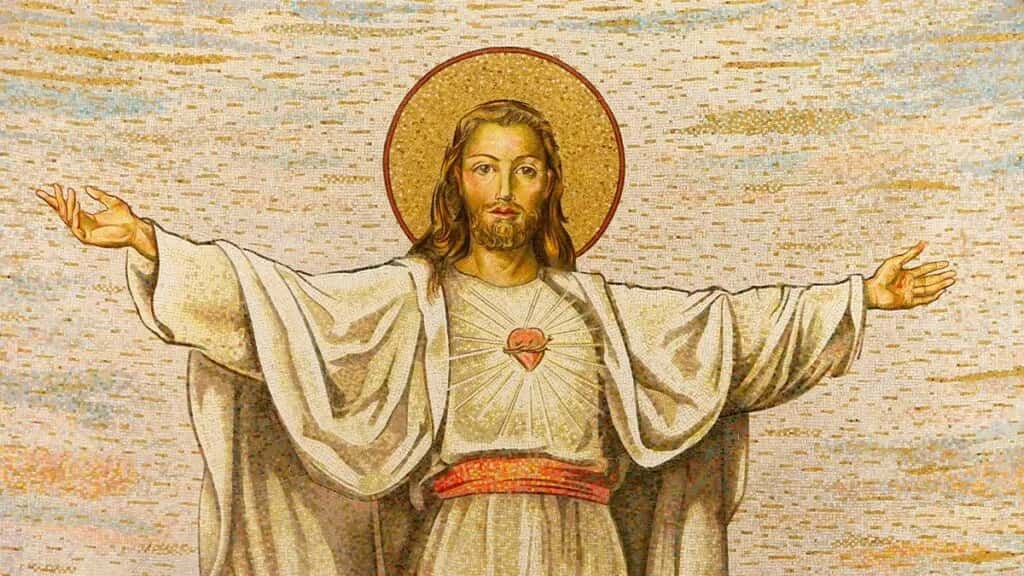
Because of the alteration of the Son of God’s name, we ended in the name of Yesus. When we would analyze the name some more, the letter “Y” in the name became “I” when we transliterated it into the Roman. It would become “Iesus.” The name appeared in the initials of “INRI” that was inscribed in the wood on Jesus’ cross when he was crucified. The meaning in the initials that was carved was Iesus Nazarenus Rex Iudaeorum in Latin. It meant “Jesus of Nazareth, King of the Jews.”
Thanks To The Changes
Name Much Later
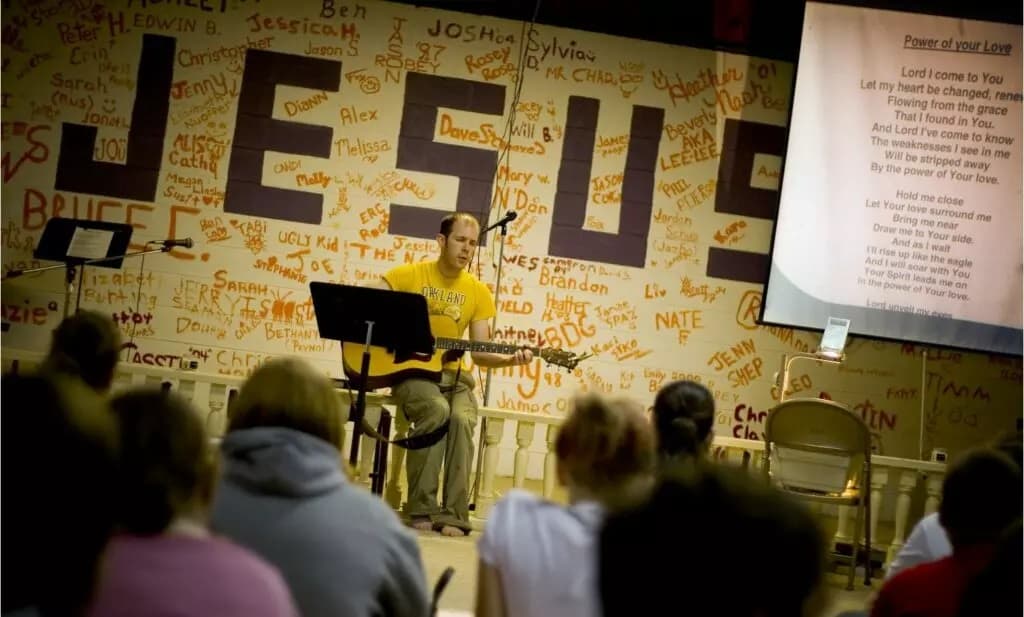
However, most of us were accustomed to the “J” at the start of the name Jesus only used in the later era. The letter “J” had no similarities in the Hebrew, Aramaic, Greek, and Latin alphabet or even the sounds in those languages. It was the reason why “I” was used instead. People who used the English language did use the name “Iesus” until the 18th century.
Name Much Later
No Distinction Between I And J
The truth was the letter “I” and “J” did not have any differences in the English Language until near the middle of the 17th century. The first King James Bible was created in 1611. They also used the word “Iesus,” and for his father was formed as “Ioseph.” Did we ever think about where “J” came from? The probable answer was in Switzerland.
No Distinction Between I And J
Bloody Mary
The English queen had her role in making the letter “J.” Mary started her supremacy in the era of 1553. She was also a determined Roman Catholic, but there were instances where the people left the side of the church and became Protestants. Her oppression of the religious people who became a rebel gave her the nickname “Bloody Mary.” In the time of the Tudor monarch’s era on the throne, with the 280 protestants, some of them were burned at stake.

Bloody Mary
During Their Time In Exile
In the era of oppression, numerous English Protestants left their homeland and moved into Switzerland. Their religious beliefs were accepted in that location. While they were in the country, the religious people started creating the new English edition of the Bible. While they were in exile, they came up with a modern linguistic: the Swiss “J” was generated in the method. Their first finished product of the Geneva Bible was released in the year 1560, and they used the word “Jesus” for the Messiah’s name.

During Their Time In Exile
The Son Of God
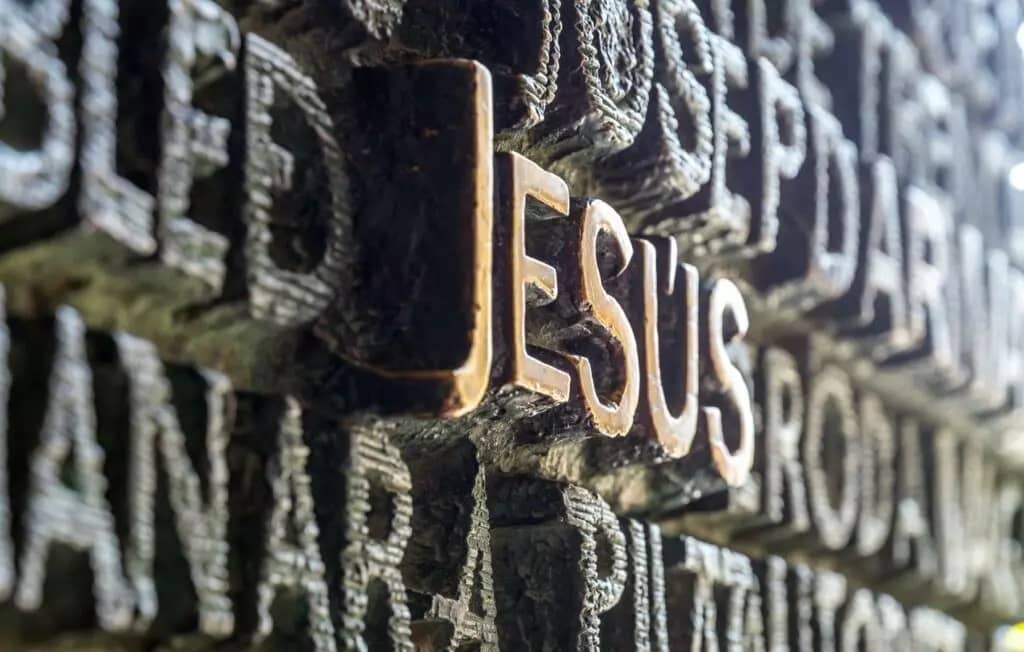
After eras passed by, the form of the name “Jesus” conquered the other name in the past. In the year 1769, the new Geneva Bible wrote every name of the Messiah into “Jesus.” Everyone, including in our era, was known for the name “Jesus” as a word formed that meant Son of God. In English linguistic, “Yeshua,” “Joshua,” and “Iesus” was replaced by “Jesus.” Nowadays, those terms were used in those past eras was almost forgotten.
The Son Of God
Jesus Is The Name
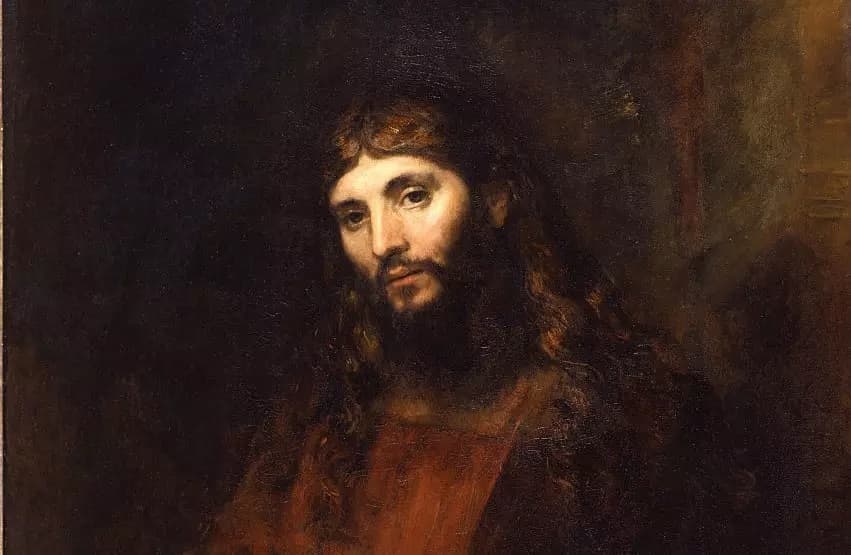
We could argue about the mistakes that happened in all modern English Bibles about the name of the Messiah. Some would say the name of “Jesus” would be Yeshua, but the name Joshua might be the most precise. In the real event, Yeshua was altered into Iesus. After those periods had passed, there were some changes in the name, and it became “Jesus” where every Christian knew this form of the word.
Jesus Is The Name
Not Part Of The Christian Scripture
There were unofficial reports about some old inscriptions telling about the life of Jesus. The pieces of evidence found were written centuries ago. It might not be included in the Christian scripture in the modern-day. However, it was vital in proving the life of Christ. In the year 2015, the two researchers discovered an artifact that could provide a great religious significance.
Not Part Of The Christian Scripture
The “Lost Gospel”
The two biblical scholars at the University of Oxford, worked hard examining the old fragments of the scripture. Their hard work finally paid off when they discovered a valuable piece of evidence. They uncovered a part of the text, and they thought it was the “lost Gospel” in the book of the New Testament. However, it also might not be the one they thought about. They continued their observation to learn any other special about the artifact. Surprisingly, they found an old copy of the heretical first copy of the Apocalypse of James. It was about how Jesus lessoned to his brother.
The “Lost Gospel”
The First Apocalypse
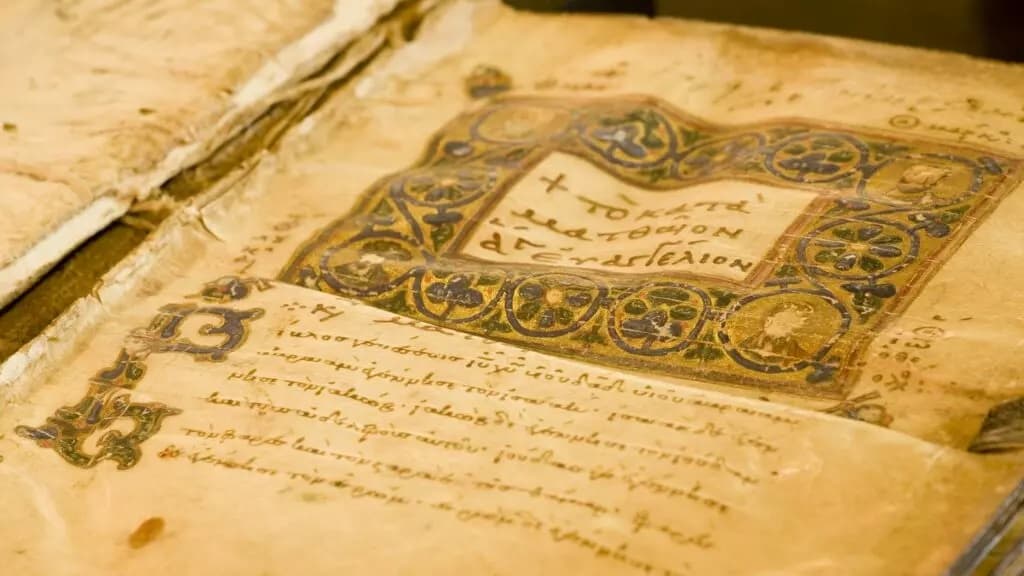
The document they discovered was old, and they also believed that it was more than 1,500 years old or more. However, it was worth mentioning because of some valuable reasons. If we observed the document, it was written in Greek. It was the linguistic used in the story that originated the First Apocalypse.
The First Apocalypse
Theological Implications
Austin’s Dr. Dirk Obbink and Professor Geoffrey Smith at the University of Texas were the people who discovered this valuable artifact. Their discovery was precious for finding a piece of evidence when Jesus was still living. The item did not only have the old writing in the Greek language, but there were also inscriptions about the teaching of Jesus to his brother. There were religious descriptions about the Messiah’s life and were proven to be very important.
Theological Implications
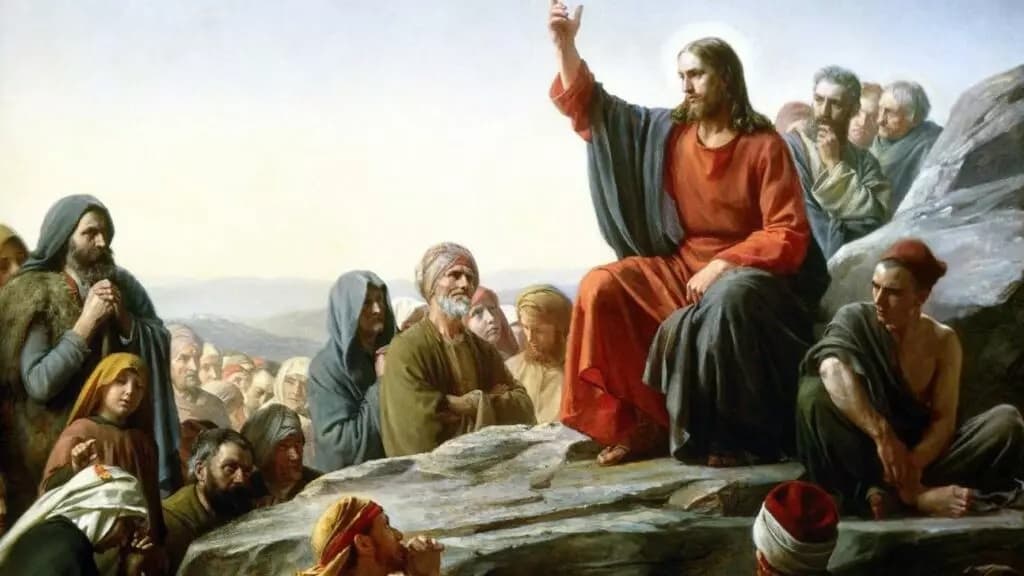
Jesus Has A Sibling
First, we should tackle the life of Jesus, where He had a sibling. Not everyone knew about this topic. We could understand in the New Testament, and they used the term “brother” of Jesus when they were talking about Simon, Judas, Joseph, and James. However, in the scripture, the term “sisters” was also used in addressing but did not mention their names.
Jesus Has A Sibling
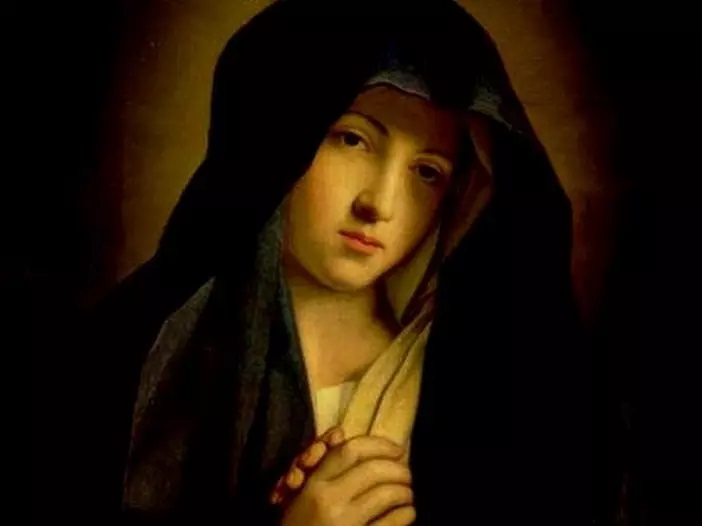
The Virgin Mary
Numerous Christian people which includes the Assyrian Church of the East, the Catholic Church, and the Eastern Orthodox Church, thought that Mary, the mother of Jesus, was a virgin before and after the Messiah’s birth. However, this might be the reason why people assumed Jesus did not have any siblings.
The Virgin Mary
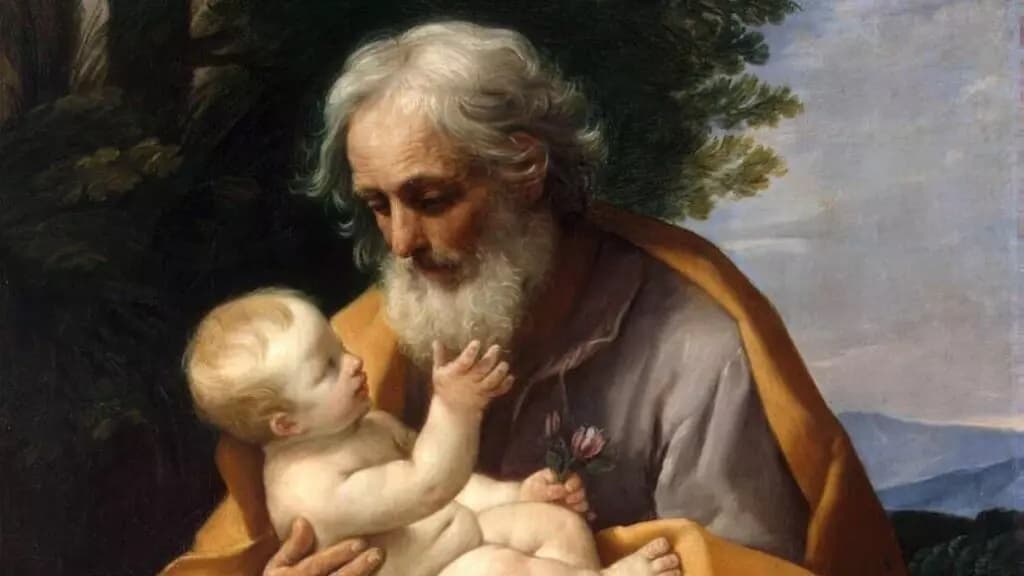
Step-Siblings
Many men and women stated in the book of the New Testament might be Jesus’ half brother or sister. There might be a chance a child was born in the past relationship of the Messiah’s father, Joseph, with other women. For example, their so-called brothers and sisters might have been his mother and father, nephews, and niece.
Step Siblings
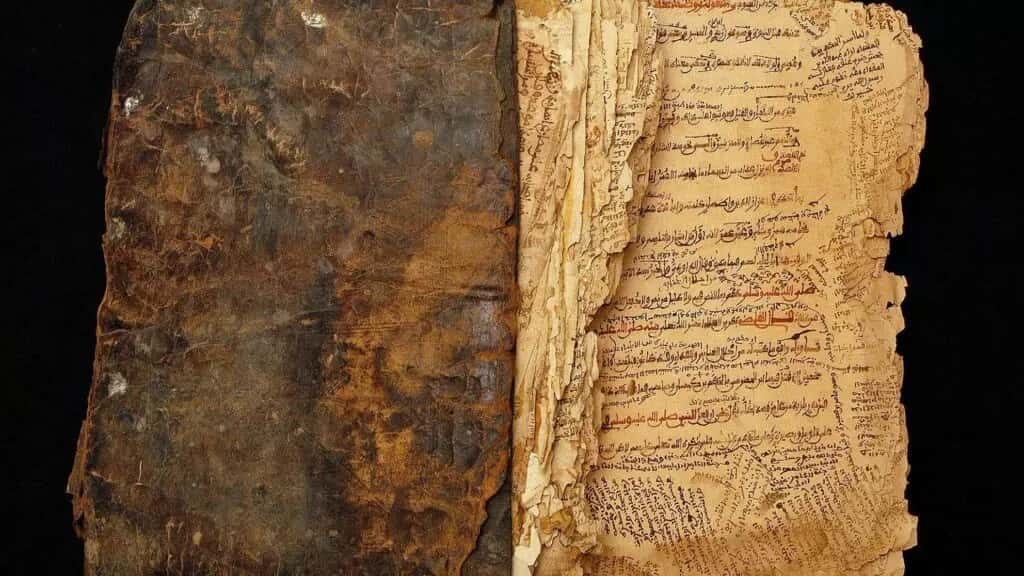
Misinterpretation
This type of confusion might have been because of some faulty translation over the centuries. The words in the New Testament that were soon translated as “brother” and “sister” literally meant a lot of things in its exact language in which they were written. It could not be helped, then, that there might have been some misinterpretations compared to the original text.
Misinterpretation
Figures Of Christianity
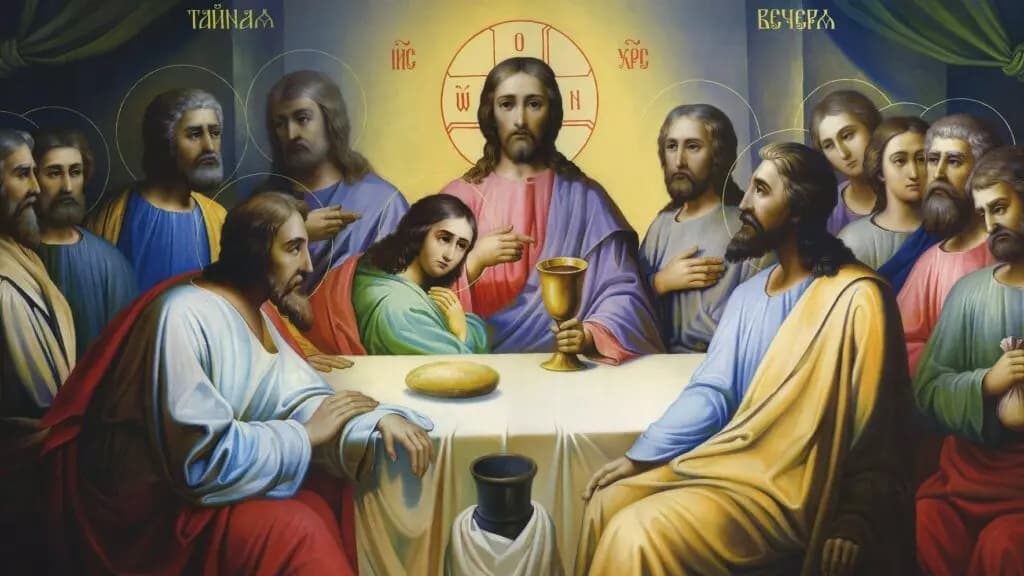
However, the idea that the brothers and sisters that had all been cited in the Bible would suggest that these individuals had an exceptionally close relationship with Jesus, and it did not necessarily mean that they were actual siblings. According to some experts, most of these people were the leading figures during early Christianity.
Figures Of Christianity
James The Just
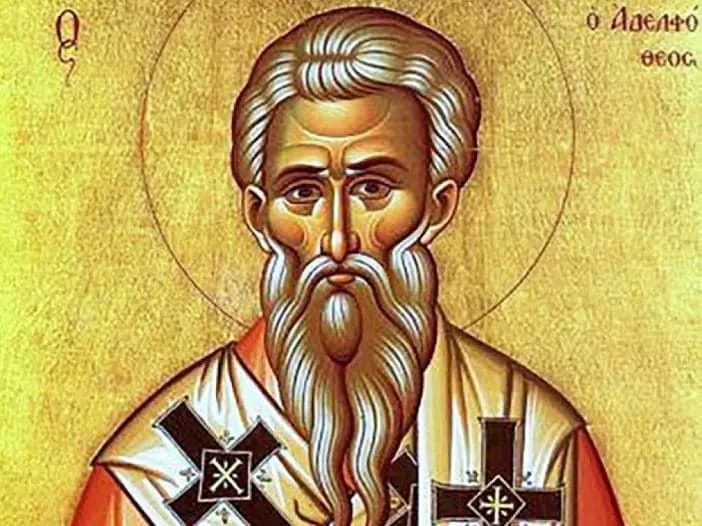
For example, there was this Bible character most commonly known as James the Just in the New Testament. He was referred to as being a “brother” of Jesus. It also came to be understood that James the Just had been influential during his lifetime, and it did not matter whether he was a brother, half-sibling, or cousin or merely a close friend of Jesus.
James The Just
Catholic Encyclopedia
To be more specific, James was deemed to have been the head of the Church of Jerusalem. As reported by the Catholic Encyclopedia and the Book of Acts, the holy city was, in all accounts, the site of the first-ever religious monument that was committed to the Christian faith. It only meant that James might have been the pioneer.
Catholic Encyclopedia
Apostle St. James
The importance of James as the helm grew more significant when the apostle St. James, his namesake, had been killed. As per accounts, it was because of the order of King Herod Agrippa I of Judea. St. Peter also departed from Jerusalem around this time. Because of this, the position of James grew even more important.

Apostle St. James
The Council Of Jerusalem
The Oxford Dictionary of the Christian Church further explained and revealed the significance of James “from an early date, with Peter, a leader of the Church at Jerusalem. And from the time when [he] left Jerusalem after Herod Agrippa’s attempt to kill him, James appears as the principal authority who presided at the Council of Jerusalem.”

The Council Of Jerusalem
Acts Of The Apostle
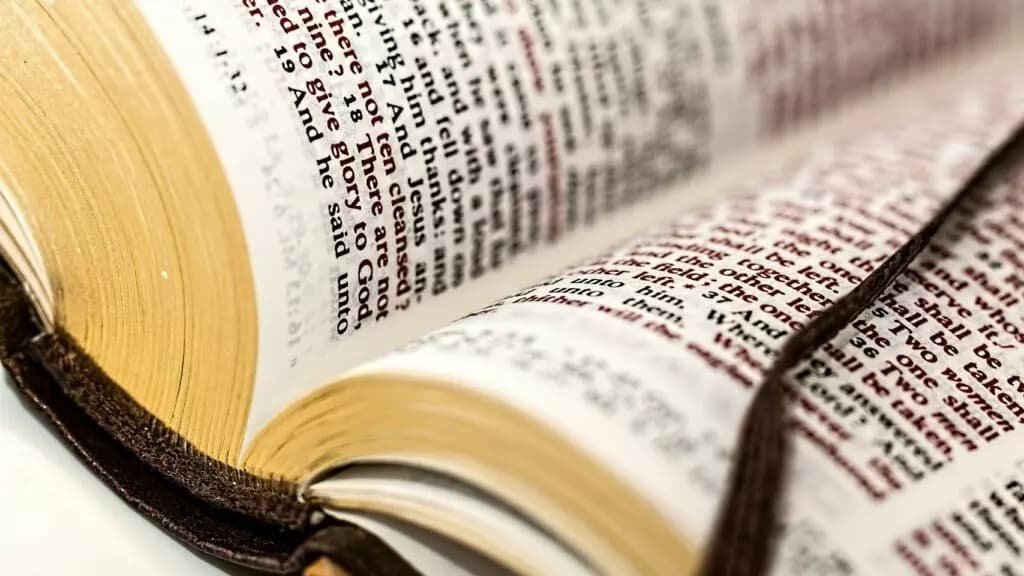
The name of James also appeared in the Gospels of Matthew, Mark, and Luke. Aside from that, it also cropped up in the Acts of the Apostles. He was also mentioned in the Pauline epistles and even popped up in the works of the ancient historians like Eusebius and Jerome.
Acts Of The Apostle
The Apocrypha
And of course, the former leader of the Church of Jerusalem played a significant role in a section of the New Testament Apocrypha, the First Apocalypse of James. The Apocrypha was a collection of texts that were deemed to be written during the start of Christianity and often spoke about Jesus together with his apostles.
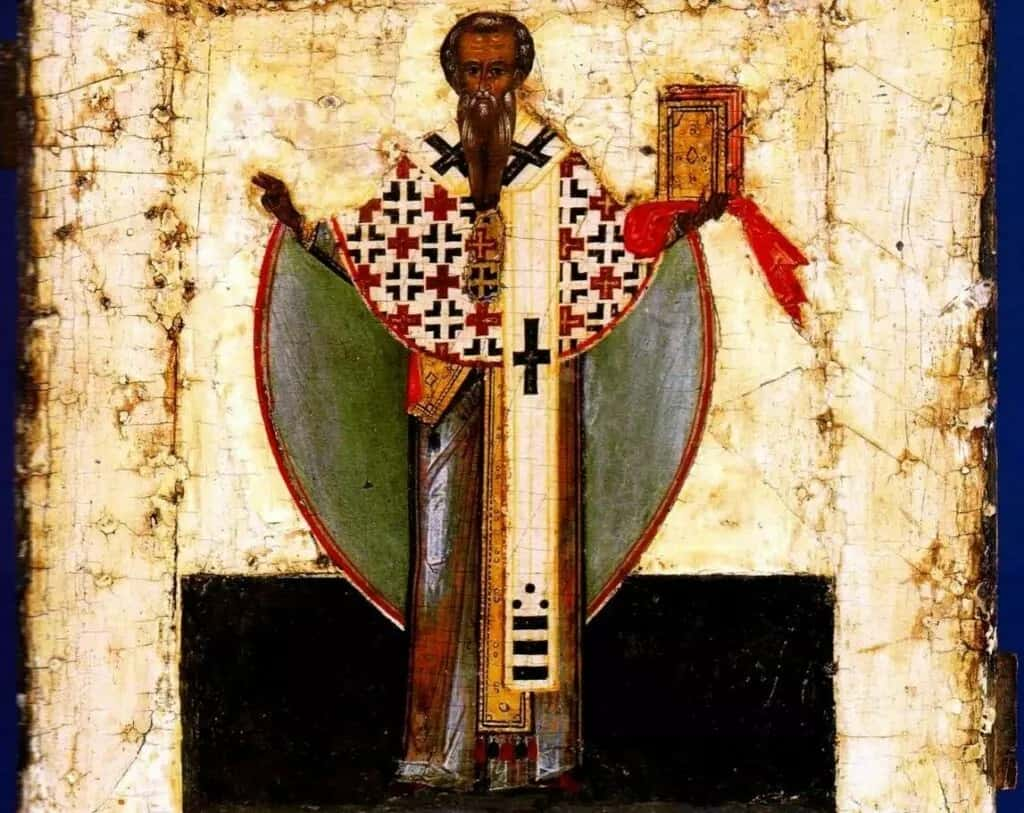
The Apocrypha
Don’t Regard Apocrypha
The truth was that specific parts of the New Testament of Apocrypha were promoted as true Christian scripture. However, there was only a limited range of texts accepted in Christianity from around the fifth century onwards. Thus, most of the major denominations of Christianity did not deem the Apocrypha as official texts.
Don’t Regard Apocrypha
The New Testament Apocrypha
The New Testament Apocrypha was deemed to be heretical in nature as it happened at one point in time. They were believed to have religious ideas and points of view that contradicted what was in the agreed consensus. And for those who chose to stand by such nonconformist beliefs had been labeled as a heretic for several centuries.
The New Testament Apocrypha
Athanasius The Great
Remarkably, there was an understandable reason why the texts of the New Testament Apocrypha were believed to be heretical. There was a man known as Athanasius the Great, who served as the twentieth bishop of Alexandria in the fourth century A.D., who did not think of them as official doctrines.
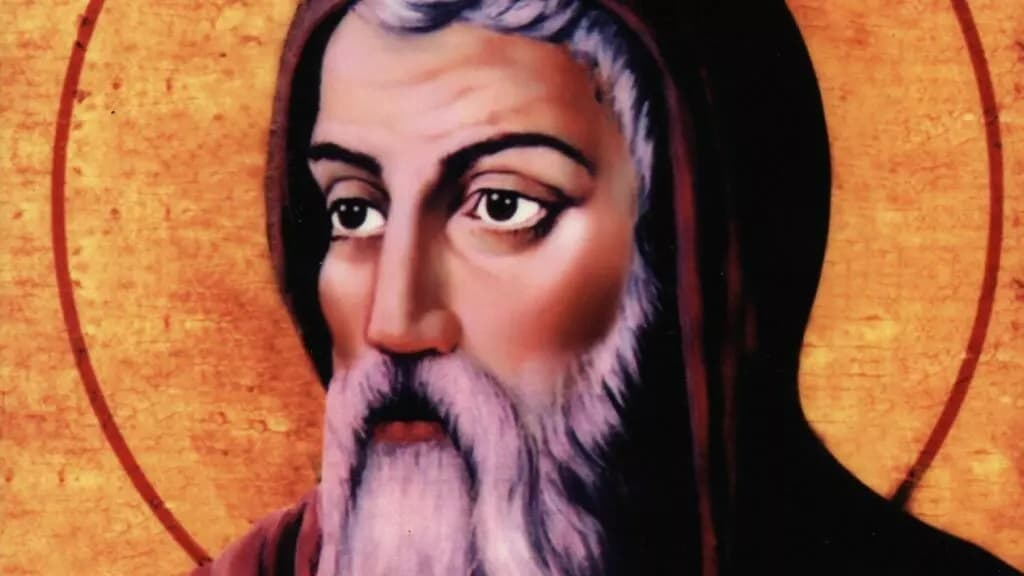
Athanasius The Great
The Religious Man
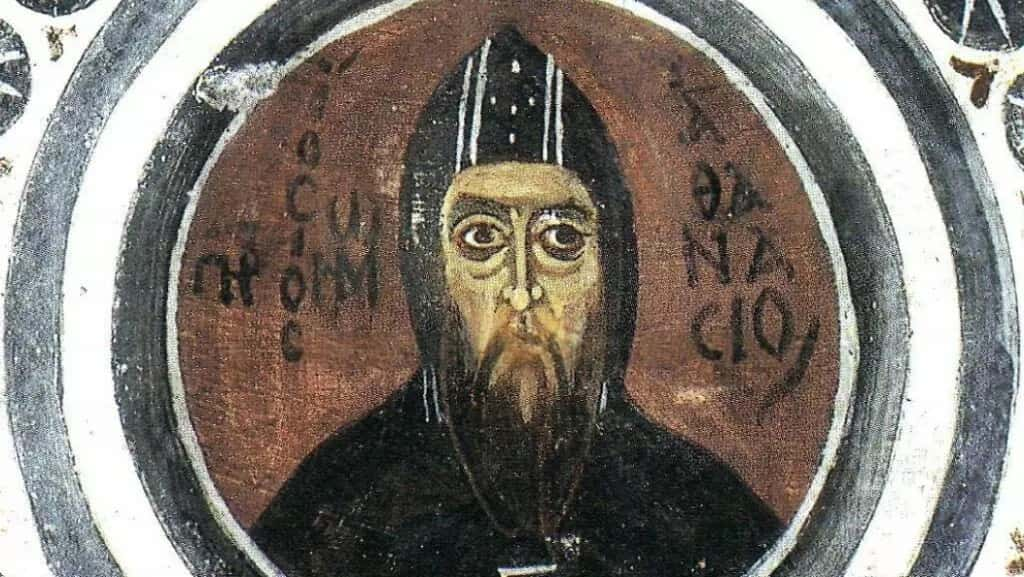
Interestingly, it was widely believed that Athanasius the Great was the one who chose the 27 books of the New Testament still used up to this day. In 367 A.D., Athanasius made his opinion clear about his picks. He wrote, “No one may add to them, and nothing may be taken away from them.”
The Religious Man
Included In The Bible
Before the rule of Athanasius the Great, there was a huge debate as to what should be regarded as an official part of the New Testament and what was to be left out. And in case there were conflicting decisions, some of the texts in Apocrypha might have still been included in the Bible.

Included In The Bible
How Are They Chosen?
And most of us were curious about exactly how the New Testament books were chosen. Generally speaking, the earliest writings about Jesus were included. However, the other documents were believed to be apocryphal, and some measures were taken to prevent it from reaching the public. And because these manuscripts were usually less preserved that the more legitimate ones, they typically existed today as incomplete documents.
How Are They Chosen?
Younger Years Of Jesus’ Life
However, there were still a lot of things that we can extract from the Apocrypha. For instance, the four official gospels that were included in the New Testament did not mention much about the life of Jesus during his younger years. Yet, the details of this period could be found in other writings not officially accepted by the Christian officials.
Younger Years Of Jesus’ Life
The Afterlife
One perfect example would be the First Apocalypse of James. The narrative of this document focused on the conversations that happened between James and Jesus. It would be further revealed that the texts made mention not only the afterlife but also introduced visions of the future.
The Afterlife
Another Coptic Version
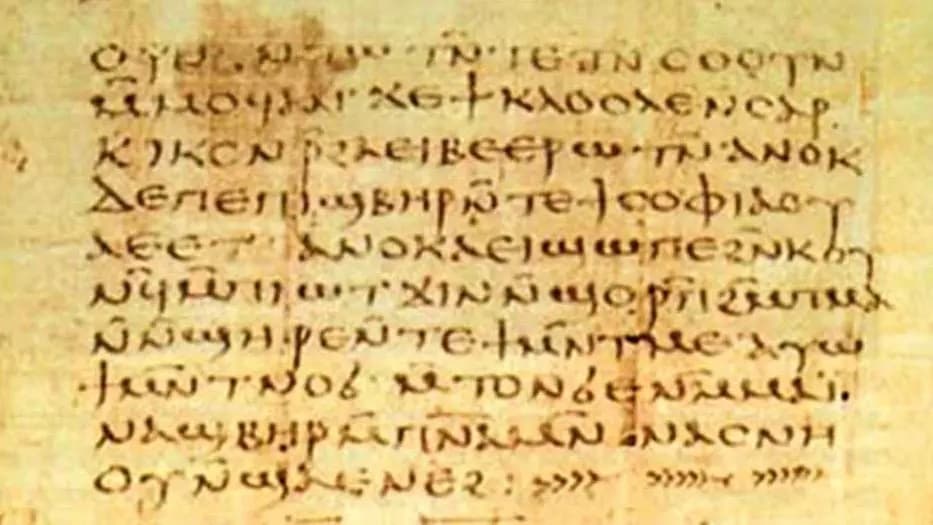
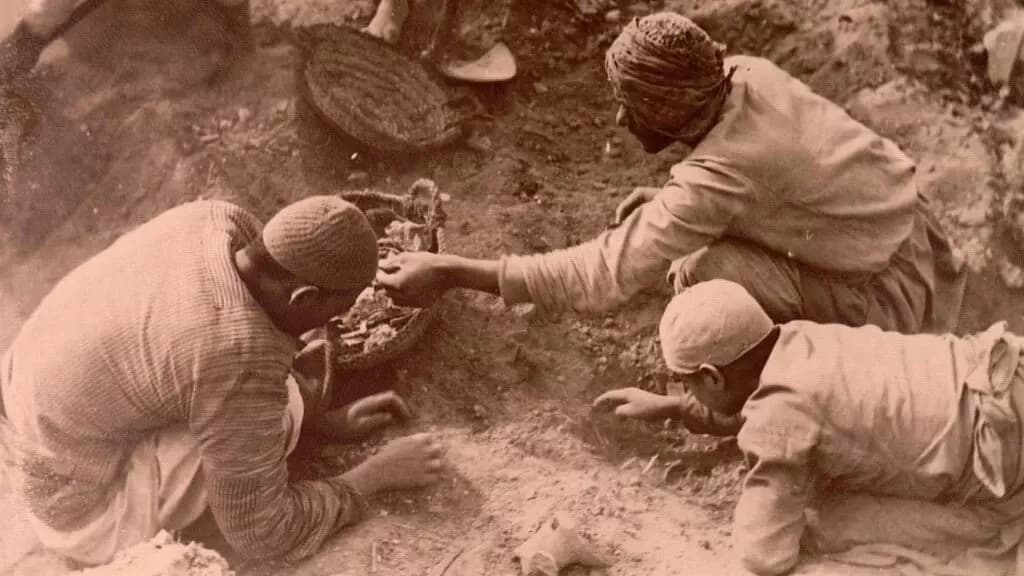
Interestingly enough, it was only recently that the First Apocalypse of James was surely uncovered. It was together with 52 other documents that a man known as Mohammad Ali al-Samman found in December 1945. The copy of the First Apocalypse of James was worded in Coptic. It was found in Nag Hammadi, a community in Egypt. And later on, another Coptic version of the script was later discovered.
Another Coptic Version
Important Artifact
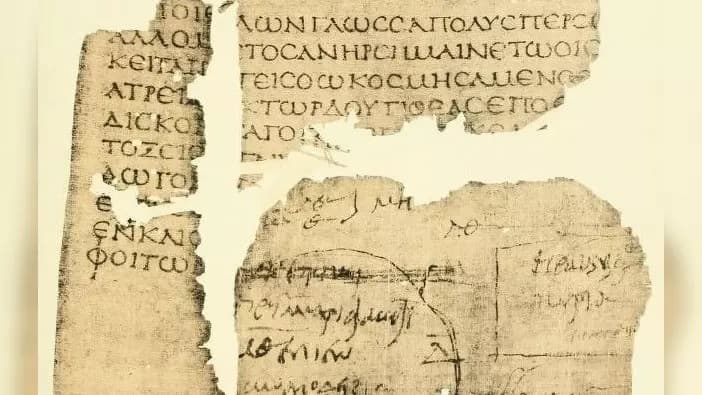
The First Apocalypse of James hit the headlines again in 2017. However, this time, the document was found in the Greek language. It was in this language that the Apocrypha was originally written. The important document that was uncovered was together with a collection of writings that was known as the Oxyrhynchus Papyri.
Important Artifact
The Oxyrhynchus Papyri
The collection of writings known as the Oxyrhynchus Papyri were originally found between the 19th and 20th century. However, only an estimate of 10 percent of these manuscripts were literary documents. Some of the scripts included topics related to taxes, trading, or censuses. Most of the writings were written in Greek. However, some were written in different languages like Arabic and Latin.
The Oxyrhynchus Papyri
120 Years On The Work
The experts had tried to put some light on the collection of writings known to be as the Oxyrhynchus Papyri for more than 120 years now. And even though 5,000 of these documents had been analyzed, it was reported that this number only comprised around 2 percent of the total collection that had to be translated and sorted through. What made things even more challenging was the fact that most of the texts were too small and usually just an inch or two.
The Oxyrhynchus Papyri
Discovered At The University Of Oxford’s Sackler Library
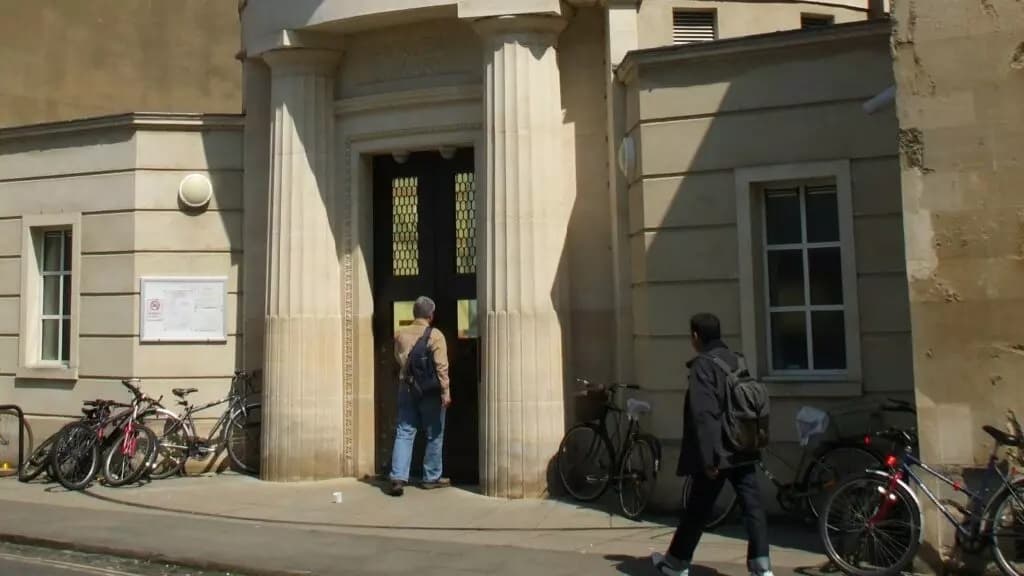
There was a breakthrough in 2015 when the scraps that featured the First Apocalypse of James in the Greek language were found at the University of Oxford’s Sackler Library. And it was up to the biblical scholars Obbink and Smith, the ones who were also rifling through the collection of writings known as the Oxyrhynchus Papyri.
Discovered At The University Of Oxford’s Sackler Library
Fifth Or Sixth Century A.D.
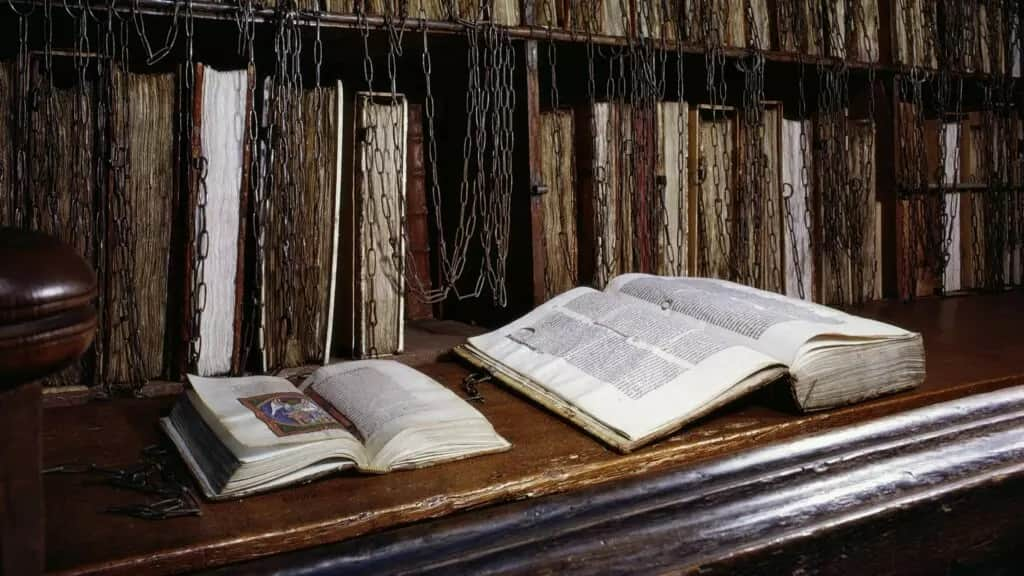
It was reported that the document was initially written during the fifth or sixth century A.D. And assuming from how the fragment had been created, most experts believed that this might have been used at one point to teach someone how to understand and compose the written word.
Fifth Or Sixth Century A.D.
Used As Educational Contexts
Brent Landau was included in the list of those who believed that this specific copy might have been used as an educational document. Last 2017, the lecturer posted on the college website of the University of Texas at Austin, “The scribe has divided most of the text into syllables by using mid-dots. Such divisions are very uncommon in ancient manuscripts, but they do show up frequently in manuscripts that were used in educational contexts.”

Used As Educational Contexts