
Macy’s
Macy’s is the latest department store chain to announce a wave of location closures in the coming years. The company said in January that it plans to permanently close 45 outlets by 2021. According to CNBC, the layoffs are part of Macy’s larger plan to eliminate 125 locations by 2023, limiting its presence to top-tier malls.

Macy’s
Bed Bath & Beyond
Bed Bath & Beyond announced the closure of 200 locations last year and plans to close another 200 in 2021. According to USA Today, 43 more locations would close indefinitely by the end of February. The closures would take place in 19 jurisdictions, nine of which are in California.

Bed Bath & Beyond
Express
Express said last year that it plans to eliminate 100 of its stores by 2022, starting with 31 locations in 20 states in January 2020. Another 35 outlets are set to close before the end of January 2021, with another 25 following the following year.

Express
Office Depot
The reorganization initiative announced by Office Depot last spring would extend until 2021. The office supply company would then close an unspecified number of stores and lay off around 13,000 workers by 2023. The initiatives, according to reports, are part of the company’s ongoing efforts to save costs as it converts from a traditional store to an IT services provider.

Office Depot
Walgreens
Walgreens is now closing over 200 of its stores in the United States, following the announcement of the closures in 2019. The closures would amount to less than 3% of the pharmacy chain’s total store count, which is currently around 9,600 outlets worldwide.

Walgreens
The Children’s Place
This year, The Children’s Place will also close a number of locations around the world. Last year, the children’s clothing retailer announced plans to liquidate 200 locations in 2020 and another 100 by the end of 2021. According to “Today,” the company has not announced which stores will close, despite the fact that it primarily targets “mall-based” locations.

The Children’s Place
J.C. Penney
J.C. Penney will close more stores this spring after declaring bankruptcy and closing more than 150 locations last year. The department store giant said in December that it plans to eliminate an additional 15 shops by the end of March 2021. J.C. Penney said in a statement to USA Today, “We also chose to eliminate an additional 15 locations as part of our shop optimization plan, which began in June with our financial restructuring.” “These stores will begin liquidation sales later this month and will close to the public in mid to late March.”

J.C. Penney
Francesca’s
In November 2020, Francesca stated that it would close approximately 140 stores by the end of January 2021. The women’s boutique chain filed for Chapter 11 bankruptcy in December, with plans to sell the company, including its physical stores. According to USA Today, the company now has 558 locations but “plans to renegotiate a variety of leases through this process, which could result in the closure of additional boutiques,” according to a statement issued to the publication.

Francesca’s
Signet Jewelers
Signet Jewelers, which operates under the brand’s Kay Jewelers, Zales, Jared The Galleria Of Jewelry, and Piercing Pagoda around the world, is also closing more locations this year. The diamond jewelry company acknowledged in 2020 that it would not reopen at least 150 North American locations that had been temporarily closed because to the COVID-19 outbreak in March. Another 150 locations are scheduled to close by the end of February 2021.

Signet Jewelers
Pet Valu
Pet Valu has also joined the list of businesses that have gone out of business as a result of the coronavirus outbreak. In November 2020, the pet goods retailer announced that it would close all 358 stores and warehouses across the United States. As a result, buyers will no longer place orders on the company’s website, despite the fact that closing sales have already begun in markets around the world.

Pet Valu
Justice
After permanently closing over 600 shops last year, Justice is scheduled to close its remaining branches this year. The parent firm, Ascena Retail Group Inc., revealed plans to liquidate the tween girl brand in November, with the 108 remaining sites set to close by early 2021.

Justice
GameStop
GameStop, which has shuttered hundreds of stores in the last two years, plans to shutter many more in 2021. The video game retailer announced plans to close over 1,000 stores by the end of its fiscal year in March. The closures follow nearly a decade of financial struggles for the gambling business, which is striving to collect its debts following a $458 million net loss in 2018.

GameStop
Sears
Sears, which Transformco operates, has seen a substantial drop in revenues after declaring bankruptcy in 2018 and closing the majority of its stores over the preceding two years. According to CNN, the ailing company is going through a “slow-motion liquidation” and would begin liquidating locations where possible over the next year, as well as selling certain sites with commercial real estate agents.

Sears
The Disney Store
On March 3, Disney announced that around 60 of its North American Disney Stores would close by the end of 2021. Instead, E-commerce, social networking, and theme park shopping operations will be prioritized, according to the group. As of 2016, the company had 330 locations worldwide, with 200 in North America.

The Disney Store
Kmart
Kmart, which is owned by the same parent company like Sears, Transformco, is also closing its doors. The business has cut its total store count to 48, with more closures expected in the next year as the commercial real estate industry recovers.

Kmart
H&M
H&M expects to eliminate another 250 stores in 2021, following the closure of 180 locations in 2020. The retailer’s decision was mostly influenced by the coronavirus outbreak and the growing trend of internet shopping. H&M CEO Helena Helmersson told “Good Morning America” that “more and more shoppers began buying online following the epidemic, and they are making it clear that they prefer a safe and powerful atmosphere in which shops and online link and reinforce each other.”

H&M
Victoria’s Secret
Victoria’s Secret is projected to close more stores in the next two years, following the closure of 250 stores in the United States and Canada last year. Victoria’s Secret CEO Stuart Burgdoerfer openly addressed the impending closings on an earnings call with investors in May 2020. According to USA Today, he stated, “We will anticipate a considerable amount of incremental store closures outside of the 250 that we’re targeting this year, implying that there will be more in 2021 and possibly a little more in 2022.”

Victoria’s Secret
Gap
Gap intends to dramatically cut its physical presence during the next two years. Gap Inc. announced in October 2020 that it would close 220 Gap shops across North America by the end of 2023. The store closures are part of the retailer’s goal to shift away from malls and focus on city centers and stores.

Gap
Banana Republic
Gap Inc. also owns the Banana Republic, which will close many locations. The firm intends to close 130 Banana Republic locations by 2023. In addition, between the Banana Republic and Gap, the business would close 350 locations, accounting for roughly one-third of its North American branches.

Banana Republic
Carter’s
Carter’s is now closing hundreds of stores indefinitely, with contracts for those locations set to expire in the coming months. The children’s apparel and accessory retailer announced plans to liquidate roughly 200 stores in October 2020, with approximately 60% of those sites projected to close by the end of 2021. The existing stores will close at the end of 2022.

Carter’s
American Eagle
Following the announcement of plans to shut down 40 to 50 stores by 2020, they may complete additional American Eagle facilities this year. Executives announced last October that the company may close up to 500 outlets over the next two years as leases expire. Chief Financial Officer Mike Mathias told Retail Dive that when determining which stores to close permanently, the retailer examines “lease tenure, mall profile, accessibility to other stores, and consumer experience level.”

American Eagle
Zara
In the aftermath of the coronavirus outbreak, Zara is changing its attention away from brick-and-mortar stores and toward online purchases. Inditex, the garment company’s holding company, announced this summer that it would close up to 1,200 locations worldwide over the following three years, beginning in 2020. The company also plans to invest $3 billion in boosting its digital activities, such as expanding its online customer service workforce.

Zara
Men’s Wearhouse
Last summer, Tailored Brands, the parent company of Men’s Wearhouse and Jos. A. Bank, stated that it had selected around 500 stories for closure “over time.” The COVID-19 pandemic hit men’s apparel retailers hard as purchasers relocated to remote workplaces with reduced need for formalwear. Nonetheless, the company is rapidly rebounding after declaring bankruptcy in August and exiting the last stages of Chapter 11 procedures in November.

Men’s Wearhouse
Chico’s
Chico’s is adhering to its recently announced plan to eliminate 250 stores over the next three years, beginning in 2019. Among many others, the women’s clothing company is striving to shift its focus to online sales and operations.

Chico’s
Abercrombie & Fitch
Abercrombie & Fitch’s four most important flagship sites will close at the end of January 2021. The restrictions would be implemented primarily in London, Paris, Munich, and Dusseldorf, Germany, and were planned before of the COVID-19 pandemic. In addition, three additional key stores in Brussels, Madrid, and Fukuoka, Japan, will close this year when their leases expire.

Abercrombie & Fitch
Nine West
Nine West intends to reorganize its indebtedness by selling off portions of the company and filing for Chapter 11 bankruptcy protection. All of this occurred as a result of the company’s $1.5 billion in debt. As a result, the shoe retailer chose to discontinue its Easy Spirit brand and close all but 25 of its stores. The company also intends to concentrate its efforts on jewelry and clothing companies such as Anne Klein, One Jeanswear Group, and Kasper Grouper.

Screenshot 12
Payless
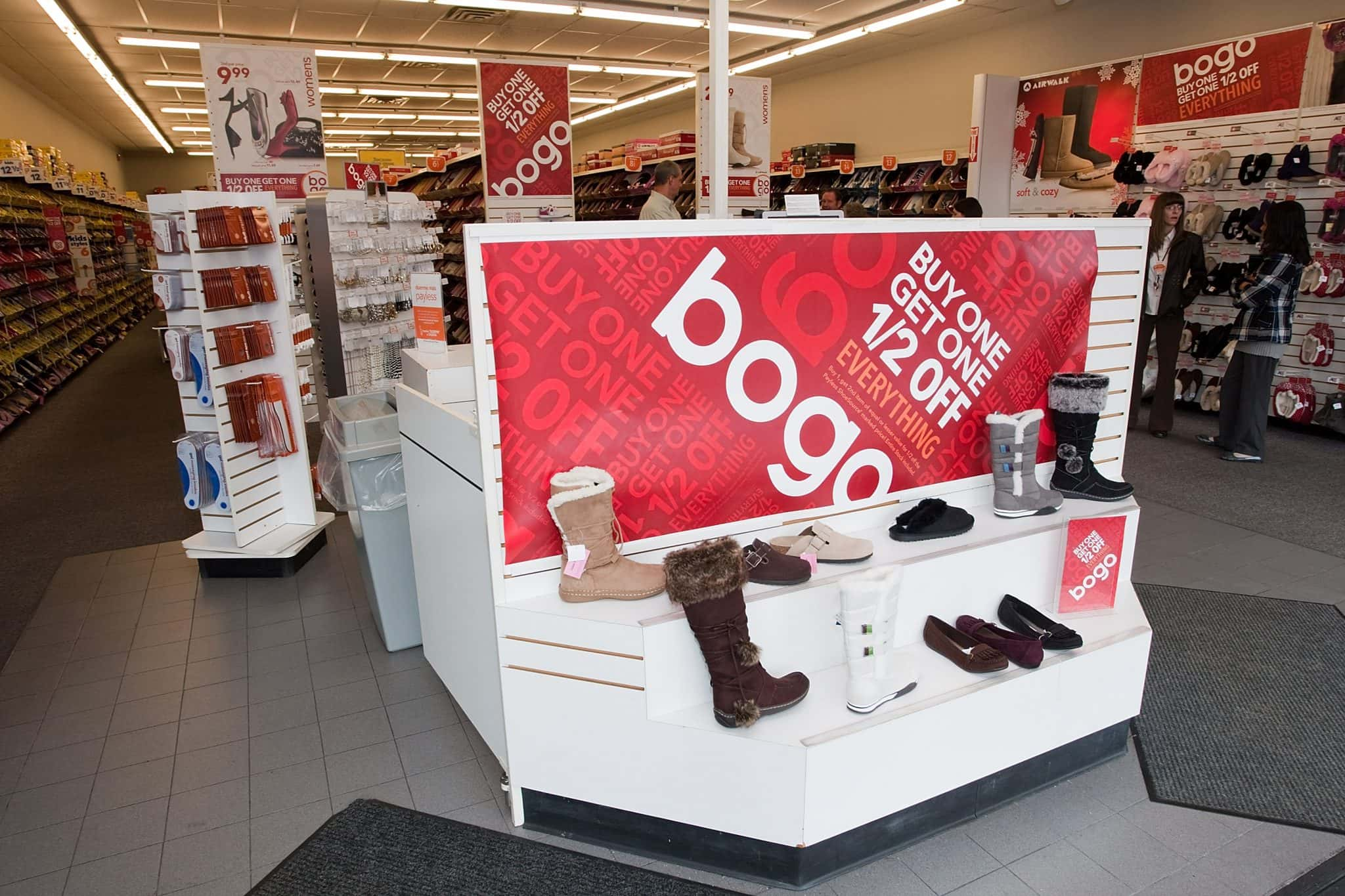
Payless ShoeSource had the most store closures this year out of all the companies that plan to close. To get rid of their merchandise and liquidate their businesses, the corporation plans to close over 2,500 stores and stage clearance discounts. Some establishments will stay open until May, while others will close by the end of March.
Payless
Gymboree
Gymboree Group Inc, a children’s clothing retailer, declared bankruptcy in mid-January. They also announced the closure of about 800 Gymboree and Crazy 8 stores in the United States and Canada. Furthermore, it has halted online purchases and begun liquidation sales in stores. Gymboree has filed for bankruptcy for the second time in the last two years. Just last year, the business shut down several outlets.
Gymboree
Charlotte Russe
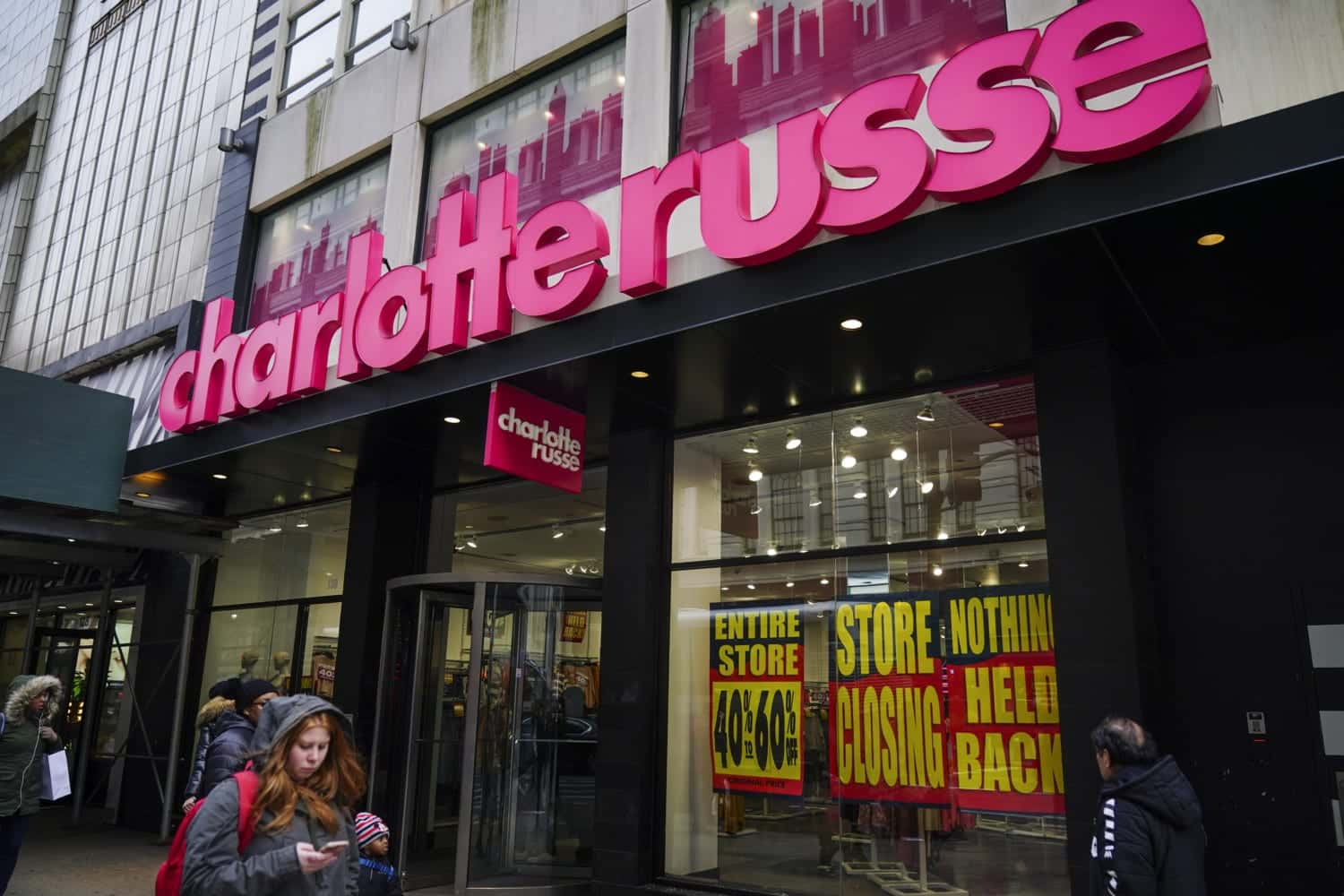
Charlotte Russe confirmed the closure of the whole franchise in March 2019. Yes, it covers over 500 stores across the country. The business previously announced the closing of 94 outlets. The others were scheduled to close on April 30, 2019. The company has already ceased online transactions, however, things can still be purchased through liquidation sales in specified areas.
Charlotte Russe
Starbucks
Starbucks said in the summer of that it will permanently close 150 underperforming outlets. This is three times the amount that it regularly closes at the end of a fiscal year. However, the corporation stated that the closures will affect major cities with oversaturated marketplaces. The coffee chain branches are simply competing with one another in such areas.
Starbucks
Christopher & Banks
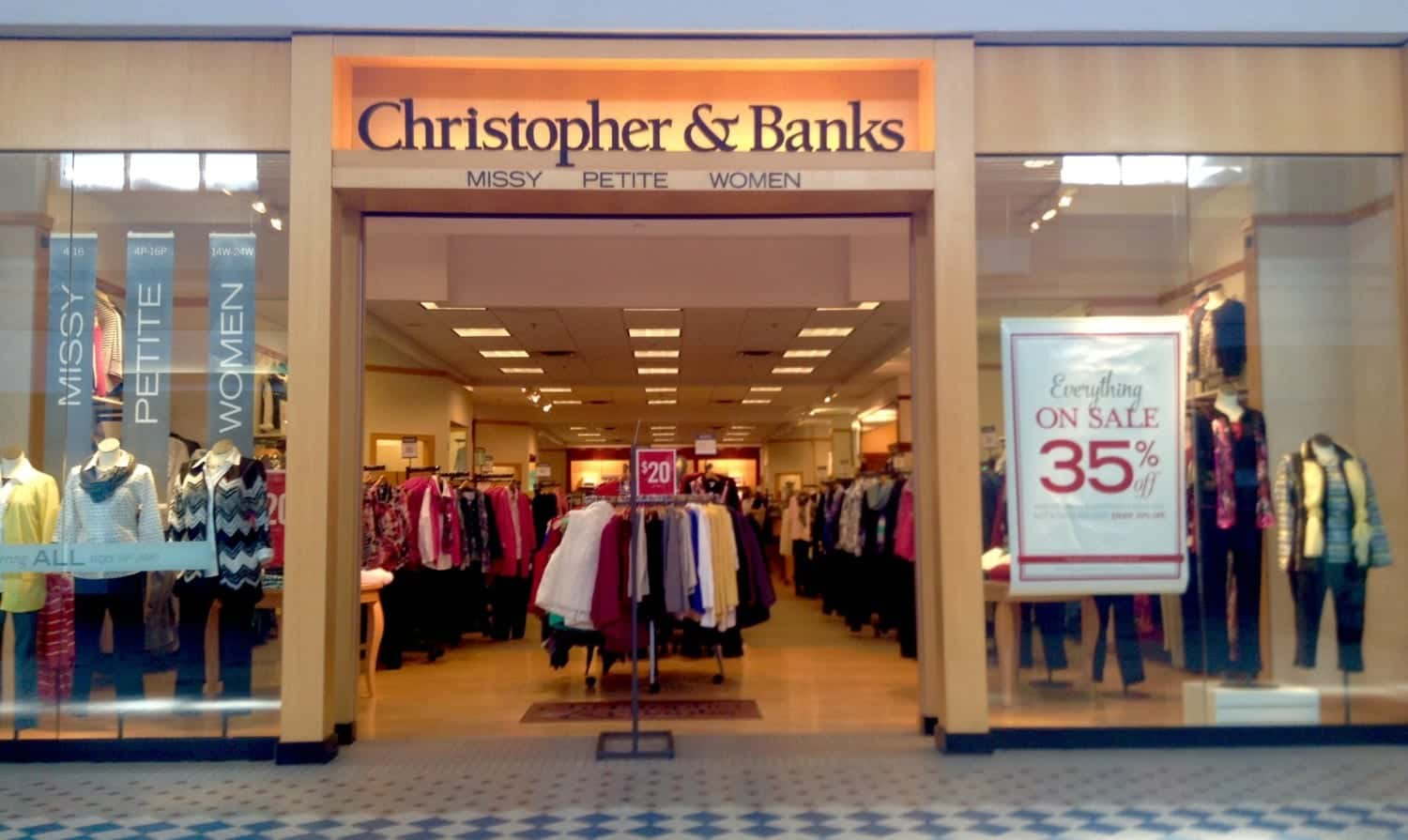
Christopher & Banks said in late 2018 that it planned to close 30 to 40 locations by 2020. This does not, however, imply that the company’s revenues are declining. The company’s e-commerce operation, on the other hand, has increased. Furthermore, it is predicted to rise further this year!
Christopher & Banks
e.l.f Cosmetics
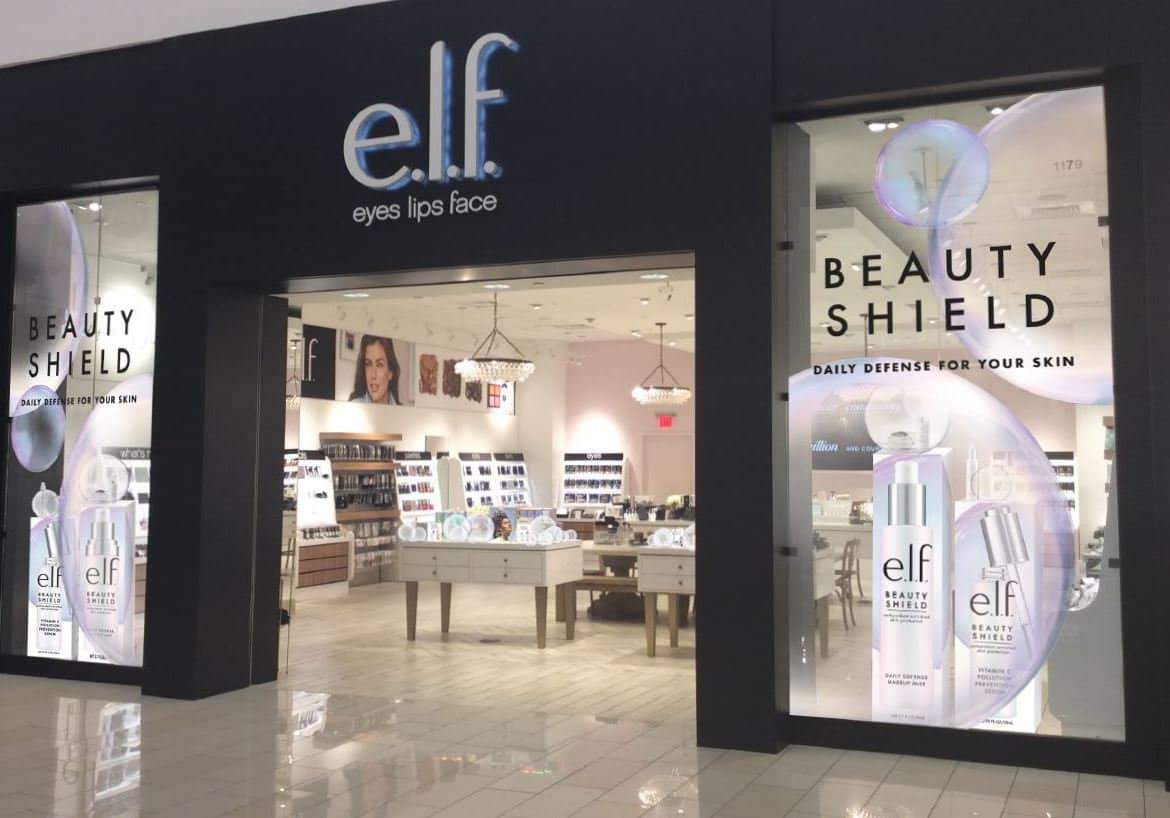
e.l.f cosmetics, like the other companies on the list, intends to close physical locations and focus solely on e-commerce. By the end of March 2019, twenty-two of its stores would have closed. Customers of this brand, however, should not be concerned because their items can still be purchased through the official website and at drugstores around the country.
elf
Destination Maternity
Destination Maternity Corp. intends to reduce its retail presence in order to reinvigorate the firm and increase e-commerce sales. The retail closures would affect 42 to 67 stores throughout the course of the year. They did this in the aim of lowering store costs and increasing their internet presence. According to USA Today, the corporation intends to create smaller shops “with less square footage to achieve higher efficiency.”
Destination Maternity
Foot Locker
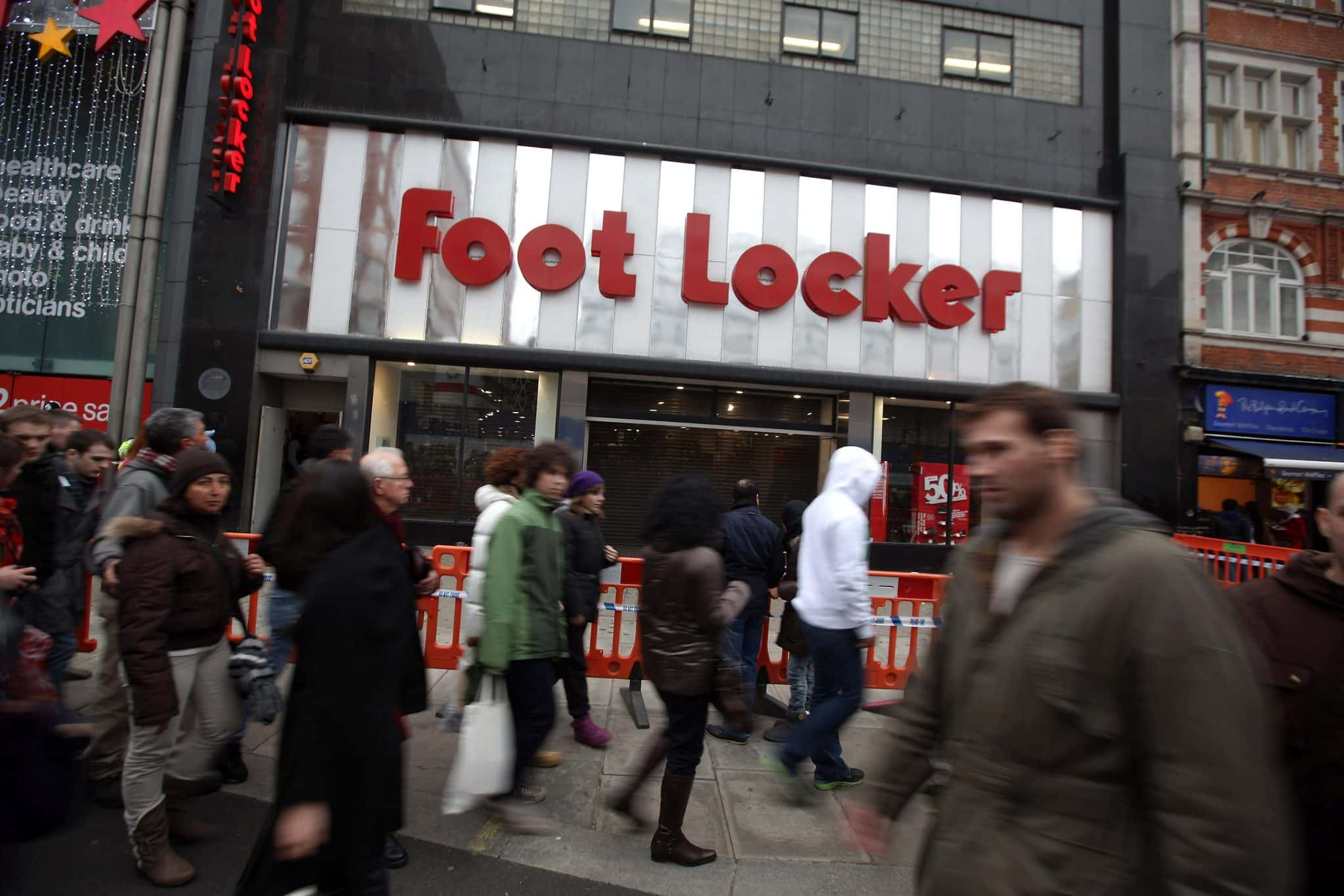
Foot Locker Inc. said in March 2019 that it would close 167 shops. It intended to spend more heavily and pour millions of dollars into the remaining locations. This decision was made to increase profit margins. The retailer’s shareholders were shocked by its performance in the fourth quarter of 2018.
Foot Locker
J. Crew
J. Crew seems to be in the headlines all the time these days. Following the loss of its CEO in 2018, the company began 2020 by closing six shops in January. These closures are part of the company’s broader intention to close 30 shops. Last summer, they made the plan public. However, we have yet to learn which places they want to close in order to fulfill their objectives.
J. Crew
Vitamin Shoppe
Vitamin Shoppe is experiencing problems similar to GNC. To address these issues, they are focusing on e-commerce and developing a subscription service. In 2017, top-line sales totaled $1.2 billion, a reduction of 8.5 percent from the previous year. The situation can be attributed to the decline in the popularity of shopping malls and the rise of competitors. We hope that their category expansions, delivery services, and marketing events will help them break out of their rut soon!

The Vitamin Shoppe Store
Bebe
When Neda Mashouf, the creative director and wife of founder Manny Mashouf, departed the company, Bebe’s sales began to decline. The brand was founded in 1979. With the demise of shopping malls, the company faced numerous challenges. Bebe had a $4.6 million operating deficit in 2018. In addition, it paid $65 million to close retail outlets and focus on e-commerce.
Bebe
David’s Bridal
Fancy gowns and extravagant wedding rituals appear to be a thing of the past. Instead, many brides are opting for less expensive weddings and more informal gowns. This is unfortunate for bridal gown stores such as David’s Bridal. This brand’s sales are rapidly declining. In addition, they have a $520 million loan and $270 million in unsecured notes due in 2020.

David’s Bridal
Bon-Ton
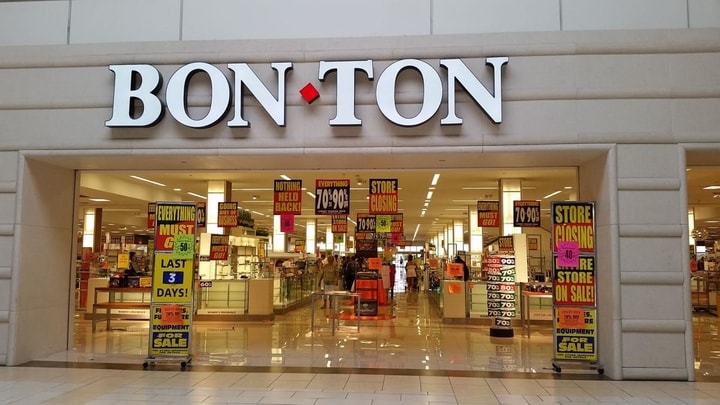
Bon-Ton, the online retailer and department store, has been around for a century, but it is time to say goodbye. In the previous year, the store declared bankruptcy and then liquidated its stores. However, in 2018, it reopened for e-commerce and reopened a few storefronts. They had a lot of success at first since they operated in small areas with little competition. Of course, Amazon modified that.
Bon-Ton
Claire’s
Claire’s is an accessories business that first opened its doors in 1961. For a long period, it was the favorite store of many young American ladies. However, the business halted its IPO and filed for Chapter 11 bankruptcy protection in 2018. It closed more than 130 outlets around the country in May of that year.

Claire’s
Southeastern Grocers
Supermarkets are also struggling with sales. For example, Southern Grocers, which operates shops like as Winn-Dixie, Bi-Lo, and Harveys, announced that 22 stores would close by March 25, 2019. This decision was made less than a year after it emerged from Chapter 11 bankruptcy. During that period, the company was forced to close 94 outlets. Among the three brands it controls, Bi-Lo is poised to suffer the most, with 13 outlets closing.
Southeastern Grocers
Shopko
Shopko first revealed plans to close 70% of its locations by May 2019. They eventually altered their minds and wanted to permanently close all of the stores. Shopko filed into bankruptcy in January 2019, hoping that a buyer would bail it out. Unfortunately, it was unable to find a buyer and attempted to unload all of its inventory. As a result, it will close all of its locations by June 2019.
Shopko
Performance Bicycle
If you enjoy riding, we have some terrible news for you. The country’s largest bike retailer has ceased operations. On March 2, the last of its 104 locations closed. Last October, Advanced Sports Enterprises filed for bankruptcy. Initially, it aimed to save at least half of its locations by attempting to renegotiate leases. Unfortunately, it had no choice but to fold and close the business.

Performance Bicycle
Lowe’s
Lowe’s is a well-known home and garden supply store. The business has already closed 51 locations, all of which were underperforming. The closures took place in 2019. It closed 20 stores in the United States and 31 in Canada. The corporation revealed these plans towards the end of 2018, with the goal of having all stores closed by February 1, 2020. When longtime CEO Robert Niblock departed and was replaced by former J.C. Penney CEO Marvin R. Ellison, the decision to close locations was made.
Lowe’s
Vera Bradley
Vera Bradley is revamping its business practices, emphasizing on licensing rather than physical stores. Instead, the company is considering selling home goods through retailers such as Bed Bath and Beyond and Macy’s. It also intends to close up to 50 of its 110 locations by 2021. Many of the leases are set to expire at that time. However, there are still 52 Vera Bradley manufacturing outlets open for business, making it feasible to visit a physical store.
Vera Bradley
Henri Bendel
Henri Bendel closed all of its 24 locations across the country in early 2020. The parent company, L Brands, then announced in the fall of 2018 that the whole brand, including its website and famed Fifth Avenue store, will be shut down. Instead, the business decided to concentrate on higher-potential brands such as Victoria’s Secret and Bath & Body Works.
Henri Bendel
Family Dollar
Dollar Tree is a bargain retailer that has announced plans to close around 390 Family Dollar shops in 2020. It would imply that the clients would have to obtain their personal care supplies and other necessities elsewhere. This corporation also opted to rename around 200 of its branches. It intends to make more modifications as well. They will soon try to raise the prices of their products in a couple of locations.
Family Dollar
J.C. Penney
J.C. Penney has been a mall fixture for several years, but its sales have been declining in recent months. Furthermore, it experienced a dry spell throughout the holiday season and suffered a fall in stock value. As a result of these factors, the business announced the closure of 18 department shops in 2020. Not only that, but it also intends to close nine furniture outlets. This means that a total of 27 locations will be closed.
J.C. Penney
Z Gallerie
Z Gallerie is a high-end home furnishings brand. It is currently on the list of retailers that have declared bankruptcy. According to reports, the company is looking for a buyer who can save it. Until then, the company is closing 17 outlets, accounting for roughly 20% of its total store count across the country.
Z Gallerie
Beauty Brands
Beauty Brands informed the public that it would be closing 25 outlets in 2018. The corporation declared bankruptcy in January of that year and downsized its corporate employees. According to its bankruptcy filing, the company was experiencing rising operational costs as a result of its status as a “predominantly brick and store shop.”

Beauty Brands
Things Remembered
After filing for Chapter 11 bankruptcy in February 2019, Things Remembered found a buyer who helped save numerous businesses. Enesco LLC acquired 176 stores from a retailer specializing in personalized and engraved merchandise. Nonetheless, it was only able to save a small portion. The company had 450 stores at the time of the bankruptcy filing. Unfortunately, this meant that 250 stores would be forced to close.

Things Remembered
Ascena Retail
What are Ann Taylor, Dress Barn, Lane Bryant, and Loft all about? They are all subsidiaries of the same parent firm, Ascena Retail! Over the last five years, the company’s sales have been declining. To compensate, the business intends to close hundreds of locations across all brands. Around 667 locations are scheduled to close, with the first 400 scheduled to close in July 2019.
Ascena Retail
Lord & Taylor
Lord & Taylor chose to close the flagship shop last year after more than a century of existence. It is the Fifth Avenue location. Unfortunately, more stores will close their doors this year. Lord & Taylor intends to close ten more stores in 2020, but has yet to specify which ones.

Lord & Taylor
Kohl’s
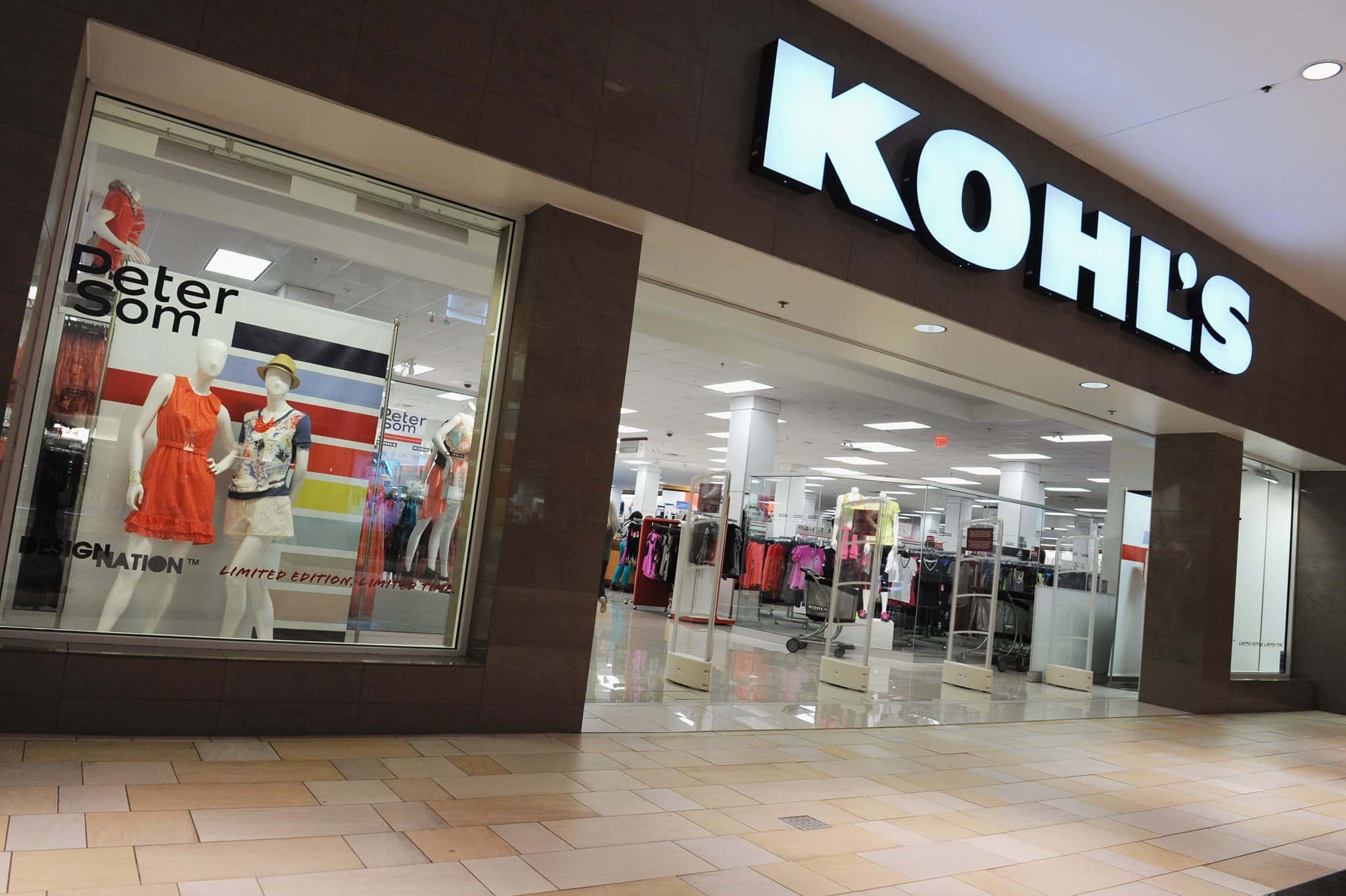
Kohl’s sought to avoid the same problems as other mall retailers encountered, therefore the business would close four stores in or near malls this year. The corporation stated that they were “lower-performing” locations and told employees that they would receive a severance package or a position at another location. The closures appeared to be a precautionary measure rather than a desperate requirement. The corporation intends to maintain the same number of stores by opening four smaller ones.
Kohl’s
99 Cents Only
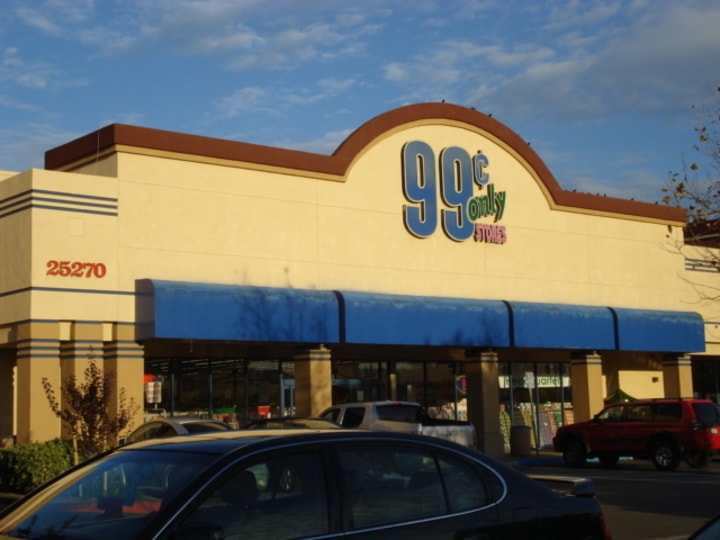
99 Cents is a store that sells low-cost items. It competes with brands such as Dollar General, Walmart, and Dollar Tree. The company recorded a net loss of $27.1 million in December 2017, on top of a loss of $42.4 million in the first and second quarters. Ares Management later purchased this company before it was sold to Canada Pension Plan and then to a private family. The new CEO, Jack Sinclair, claimed good same-store sales. Despite this, the discount retailer is still on the decline.
99 Cents Only
Neiman Marcus
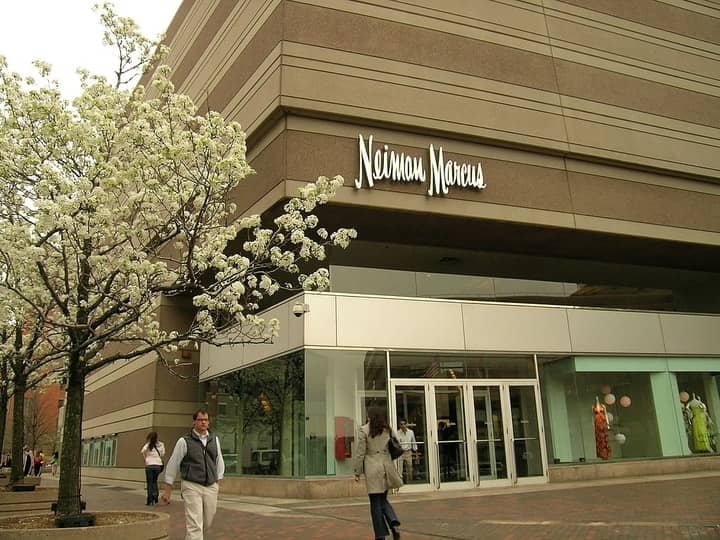
During the 2017 fiscal year, Neiman Marcus had a 5% reduction in its $4.7 billion top-line sales. There have been calls to lay off 200 people and implement a “Digital First” consumer engagement strategy. It was rumored that Hudson’s Bay, a Canadian firm, was interested in purchasing it. Unfortunately, this did not occur.
Neiman Marcus
Cole Haan
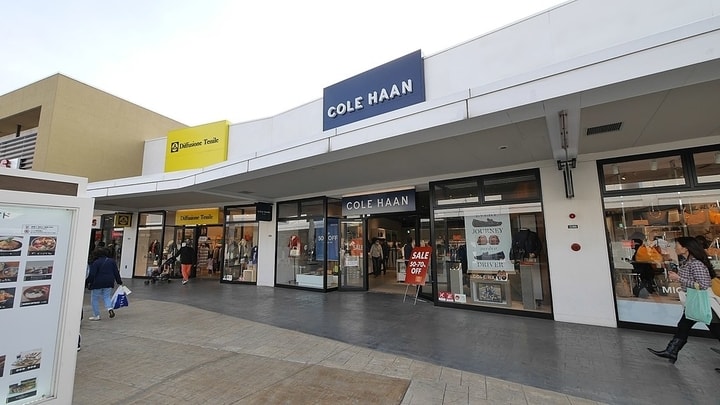
Cole Haan is a luxury footwear brand that was named on USA Today’s list of at-risk firms in 2018. It began to shift its image by emphasizing athletic footwear rather than dress shoes. Unfortunately, this backfired. Apax Partners purchased this brand in 2013 and did away with Nike’s well-known comfort technology. Unfortunately, the company’s situation has yet to improve.
Cole Haan
FullBeauty Brands Holdings Corp
FullBeauty Brands Holding Corp owns a number of plus-size women’s and men’s clothing lines. Jessica London, Roaman’s, Brylane Home, Ellos, Woman Within, fullbeauty.com, and KingSize are among its brands. They blame Amazon for the drop in sales. Its revenue fell by 30% in the first quarter of 2017. With new management in place, the company intends to increase sales and do things correctly.

FullBeauty
Eddie Bauer
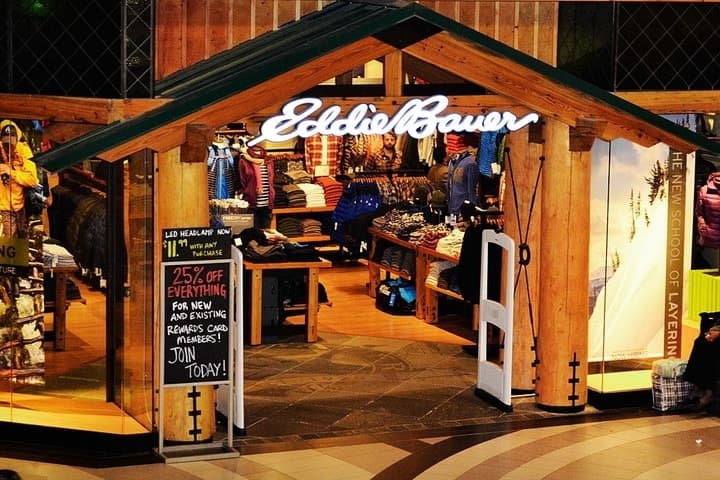
Eddie Bauer is a Bellevue-based outdoor retailer. It came back from the brink of bankruptcy in 2009. However, we do not know what the company’s future plans are. S&P Global also downgraded its credit rating on the company. There is a significant probability that it will merge with PacSun, a California-based corporation.
Eddie Bauer
Mattress Firm
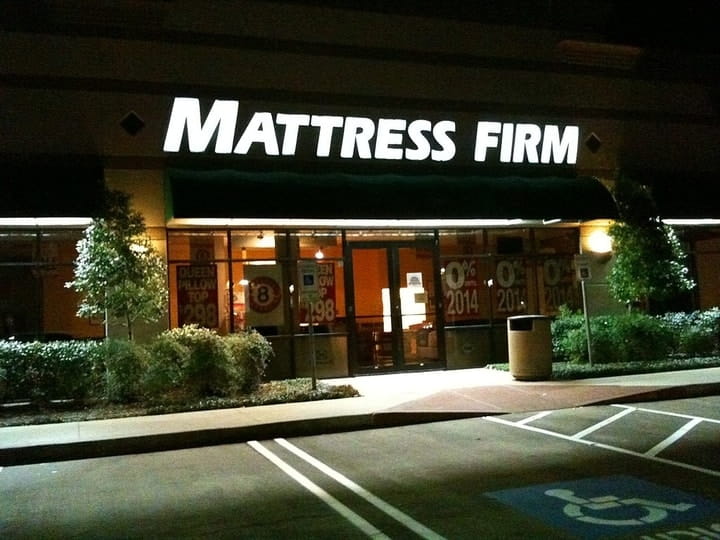
Unfortunately, our favorite mattress retailer just filed for Chapter 11 bankruptcy protection. Part of it is due to a clerical error. The company said that it would sell 700 of its 3,500 locations. They seek to improve matters by terminating excessive leases and restructuring the company.
Mattress Firm
GNC
GNC, which has sold nutrition and diet goods since 1935, is slimming down. The vitamin and supplement retailer has filed for Chapter 11 bankruptcy, announcing the closure of 800 to 1,200 sites. The corporation has 7,300 stores worldwide, including 3,600 independent sites in the United States and 1,600 micro GNCs within Rite Aid pharmacies. GNC says on its website that it has been struggling financially in recent years, but that it is making progress toward paying down debt and competing with online retailers.

GNC
Pier 1 Imports
Pier 1 Imports has folded, along with the scented candle, silk pillow, Papasan chair, and everything else that this home furnishings business is renowned for. It began the year by announcing the closure of nearly half of its 900 outlets. The company had declared bankruptcy and was looking for a buyer. Instead, pier 1 has shuttered all of its locations, effectively ending a firm that began in 1962 in San Mateo, California, with a single outlet selling bean bag chairs, incense, and love beads to baby boomers.

Pier 1 Imports
New York & Co.
Following a disappointingly quiet holiday shopping season in 2019, New York & Co. began this year by announcing that it would close more than 25 of its outlets by early February. Customers spend more time on the internet of the women’s apparel and accessories retailer than in its stores, according to the company. That was the diagnosis in early 2020 before the coronavirus showed up. But there were only about 380 individuals left at the time.

New York & Co.
Stein Mart
Several retailers have been harmed by the COVID-19 outbreak after decades in business. It lasted more than a century in the Stein Mart discount department store chain, which debuted in 1908. However, the company stated in mid-August that it had declared bankruptcy and that “a large number, if not all, of its brick-and-mortar locations” would be closed. They number over 280 and are distributed throughout 30 states. Stein Mart’s affordable pricing includes clothing, shoes, jewelry, bedding, luggage, and even confectionery.

Stein Mart
AT&T
AT&T will close 250 retail locations, including AT&T Stores and Cricket Wireless locations. The Communications Workers of America predicts that the store closures will effect 1,300 people. According to CNN, AT&T intends to offer staff at the affected stores other work-from-home possibilities within the firm. Just over two years ago, AT&T announced plans to open over 1,000 new outlets. At the time, the corporation had over 5,300 locations.

AT&T
Tuesday Morning
Even for a deep-discount shop whose storefronts typically appear to be having going-out-of-business sales, these are difficult times. Tuesday Morning has declared bankruptcy and will hold actual liquidation sales as it prepares to liquidate approximately 230 of its almost 700 locations in the summer of 2020. “The protracted and unexpected closures of our stores in reaction to COVID-19 has had devastating implications on our business,” CEO Steve Becker states in a news statement.

Tuesday Morning
Family Video
Forget about Blockbuster, which has only one location left (in Bend, Oregon). Another video rental chain is still in operation, renting DVDs and Blu-rays, but many of its locations display the end credits. Family Video, the “biggest movie and game rental business” in the United States, is eliminating hundreds of sites, according to The Times of Northwest Indiana. Over 300 people will be abandoned. According to the corporation, “recent events have prompted us to make some difficult business decisions on its website.”

Family Video
Art Van Furniture
Art Van Furniture and Mattress businesses have long been a landmark in the Midwest, but the region will have to adjust to life without them. Art Van declared bankruptcy just a few days after the firm announced in early March that it would close all of its company-owned outlets in eight states. According to the company’s complaint, as a result, customers have been lost to Amazon and Wayfair. “Despite our best efforts to stay open, the company’s brands and operating performance have been severely impacted by a competitive retail climate,” said spokesperson Diane Charles in a statement.

Art Van Furniture
Papyrus
For this occasion, a greeting card with the words “We’re sorry to see you depart” is acceptable. Papyrus, a high-end stationery and greeting card shop with outlets around the United States, has gone out of business. Schurman Retail Group, the chain’s 70-year-old parent firm, declared bankruptcy in January and announced shop closures. There have been a total of 254 Papyrus, American Greetings, and Carlton Cards store closures, with 178 in the United States. The remainder is in Canada.

Papyrus
Forever 21
Forever 21 is a behemoth in the “fast-fashion” business. The chain provides low-cost clothes that change frequently to stay current, and its enormous stores have become a favorite destination for teens looking for stylish stuff at a low price. However, because youthful buyers are wondering whether Forever 21’s disposable clothes are healthy for the environment, the business has been forced to declare bankruptcy and close down a portion of its operations. “Forever” has come to an end for roughly 350 stores globally, including nearly 200 in the United States.

Forever 21
Modell’s Sporting Goods
If you’ve ever been to New York City, you’ve certainly heard of Modell’s Sporting Goods, which appears to have nearly as many stores as subway stations. In reality, two Modell’s have been located in Times Square, one block apart. They are, however, closing along with the rest of the company’s East Coast facilities. Modell’s announced the closure of 24 of its stores in February, but a few weeks later, the chain filed for bankruptcy and announced the closure of all of its locations from Massachusetts to Virginia.

Modell’s Sporting Goods
A.C. Moore
A.C. Moore, an arts and crafts store chain, has gone out of business. The shop, which was famed for its generous coupons and operated mostly east of the Mississippi, has closed its doors. The company declared its intention to close its doors in early 2020. The first business in New Jersey was opened in 1985 by a man named Jack Parker. Up to 40 A.C. Moore locations could have reopened as Michaels arts and crafts stores.

A.C. Moore
Wilsons Leather
Wilsons Leather, a business famed for its leather belts, shoes, handbags, gloves, and, most famously, jackets, is expanding its offerings. Wilson Leather stores, which had over 700 sites in the United States and Canada in the early 2000s, began to close in the early 2000s. As a result, G-III Apparel Group, the parent firm, chose to close the remainder of them. G-III will also close 89 G.H. Bass shoe and clothing locations. According to the firm, the “five global power brands” are DKNY, Donna Karan, Calvin Klein, Tommy Hilfiger, and Karl Lagerfeld.

Wilsons Leather
Olympia Sports
In 2020, the game was over for half of the Olympia Sports outlets. This is a regional sporting goods retailer with stores in New England, New York, and along the East Coast. JackRabbit, a retailer of sneakers, workout equipment, and athletic apparel with outlets around the United States, purchased the company last year. Liquidation sales began in November 2019 and extended into the new year because the agreement excluded 76 of Olympia Sports’ more than 150 stores.

Olympia Sports
Sur La Table
Sur La Table, a cookware shop, was heavily struck by the coronavirus outbreak, filing for bankruptcy and announcing intentions to liquidate over half of its 121 sites in early July. The remaining portion would be sold to a private equity group. Sur La Table opened its doors in 1972 in Seattle’s Pike Place Market. Shirley Collins, the firm’s founder, had a simple notion; the company claims, “Make delicious meals. Spread the word. Do it frequently.” In addition to retailing kitchen and dining room equipment, the chain also provides cooking instruction in-store and online.

Sur La Table
Brooks Brothers
Selling suits and other expensive attire to men and women is tough when many Americans work from home in shorts and filthy polo shirts. This is part of the story behind Brooks Brothers’ bankruptcy filing and retail closures, which began in 1818. It is the country’s oldest continuously operating garment brand. In its 200-plus-year history, the business has never had to cope with anything like the coronavirus. Brooks Brothers, on the other hand, had been on the decrease even before COVID-19, owing to permissive work dress codes and the increased popularity of online purchasing.

Brooks Brothers
Earth Fare
Smaller organic food stores are discovering that the colossus Whole Foods and its owner, Amazon, are unbeatable. As a result, earth Fare, based in Asheville, North Carolina, has decided to call it quits. The chain announced in early February that it would close all 50 of its natural foods supermarkets in ten Southern and Midwestern states. The company then declared bankruptcy, just as going-out-of-business sales were getting began. The original Earth Fare restaurant, Dinner for the Earth, opened in 1975. It was replaced in 1993.

Earth Fare
Bose
Because it is no longer interested in maintaining brick-and-mortar stores, Bose is closing all 119 of its retail locations in North America, Europe, Japan, and Australia. Furthermore, the Bose website shows 50 sites in the United States, all of which will close within the next several months. In 1993, the first Bose store in the United States opened to allow customers to test and sample the company’s products. Bose, on the other hand, argues that its clients are increasingly shopping online.

Bose
Lucky’s Market
Another natural foods supermarket has thrown up the (recycled paper) towel after failing to compete with Whole Foods. Lucky’s Market, which is based in Colorado and is known for its slogan “Organic for the 99 percent,” filed for Chapter 11 bankruptcy in late January and announced the closing of 32 of its 39 shops throughout ten states. According to media sources, the remaining seven would be sold.

Lucky’s Market
CVS
CVS is projected to close approximately two dozen of its drugstores in 2020, roughly half of the number it closed in 2019. Because there will be approximately 9,900 CVS outlets remaining, there will be one on practically every corner. The MinuteClinic sites, which provide basic walk-in medical services, are the center of the local pharmacy and retail network. The clinics have been placed in around 1,100 locations so far. If you need a flu vaccination, suspect a bladder infection, or want your cholesterol checked, you’ve come to the perfect place.

CVS
Hallmark
Hallmark Cards’ motto used to be “When you care enough to send the very best.” Today’s issue, though, is that fewer individuals send greeting cards at all. The Hallmark name can still be available in over 2,000 card shops, according to the company’s website. However, several dozen will close in 2020, according to numerous media reports. A 44-year-old Hallmark store in Evansville, Indiana, and Rich Schauer’s long-running Forest Park, Illinois, are among them.

Hallmark
Nordstrom
Nordstrom, another department store operator, has opted to make some of its coronavirus closures permanent. The Seattle-based company, noted for its great customer service and live piano music in its stores, has announced the closure of 16 of its sites in the United States and Puerto Rico. The closures, according to a news release, are part of the company’s long-term aim to “strengthen its business.” Nordstrom will have a total of 100 department stores remaining.

Nordstrom
Century 21
On the HBO sitcom “Sex and the City,” Sarah Jessica Parker’s Carrie Bradshaw character termed Century 21’s Lower Manhattan location “the nicest part of jury duty.” The off-price fashion business has been a New York City tradition for nearly 60 years. However, that long run is coming to an end. Century 21 has declared bankruptcy and will close all of its locations. Co-CEO Raymond Gindi blames the chain’s fate on insurance companies, which he alleges “have turned their backs on us at this most critical time,” referring to the pandemic.

Century 21
Bloomingdale’s
Bloomingdale’s, a high-end department store, has a rich history that dates back to 1861. The chain, which has stayed relatively small over the years, is now owned by Macy’s Inc. Unfortunately, it has shrunk even further. A Bloomingdale’s store south of Miami shuttered in mid-January, one of only 35 full-line Bloomingdale’s stores listed on the company’s website. Bloomingdale’s initially opened in Miami in 1984, and it remained shuttered for more than a year after Hurricane Andrew devastated South Florida in 1992.

Bloomingdale’s
Stage Stores
Regional inexpensive department stores struggle to compete with national behemoths such as Walmart, Target, and Kohl’s. Stage Stores, which owns Gordmans off-price stores as well as a bevy of other regional names like Bealls, Goody’s, and Peebles, is the most recent retailer to observe this. On May 10, the company declared bankruptcy and stated that all of its outlets will be permanently closed. Following a dismal holiday season in 2019, Stage Stores was attempting to get back on track financially – until COVID-19 forced the company to close for several weeks.

Stage Stores
Dressbarn
In May, Ascena Retail Group announced that all Dressbarn sites would close by the end of 2019 in order to focus on its more successful brands, such as Ann Taylor, Loft, and Lane Bryant. Ascena sold Maurice’s brand to a private equity business earlier this year.

Dressbarn
Fred’s
This discounter and drugstore, which had a strong presence throughout the Southeast, declared bankruptcy in September and announced the closing of all of its outlets. Fred’s had already gone through numerous rounds of closures this year, with fewer than 100 stores remaining when it chose to go totally out of business.

Fred’s
Charming Charlie
In July, Charming Charlie declared bankruptcy, claiming an increase in the number of idle stores, and announced the closure of all remaining sites. Following a round of 100 store closures in 2018, the jewelry and accessories retailer appeared in bankruptcy court for the second time in two years.

Charming Charlie
Party City
Late last summer, Party City added 10 more locations to a list of 45 stores due to close before the end of the year. Who is the main offender? One of the store’s core industries, balloon sales, suffered as a result of helium shortages and rising helium prices. Furthermore, 65 of the chain’s Canadian outlets are up for sale.

Party City
LifeWay Christian
Due to decreased foot traffic and revenues, LifeWay Christian, a faith-based bookshop, announced in March that it will close all 170 of its locations. The corporation, however, continues to sell its wares online.

LifeWay Christian