
One of the world’s biggest mysteries can be found in northwest Russia. Many scientists have worked for decades on drilling this hole. They aim to blast it all the way to the core of the Earth. This borehole has now reached a depth of 40,000 feet, making it the world’s deepest man-made hole!
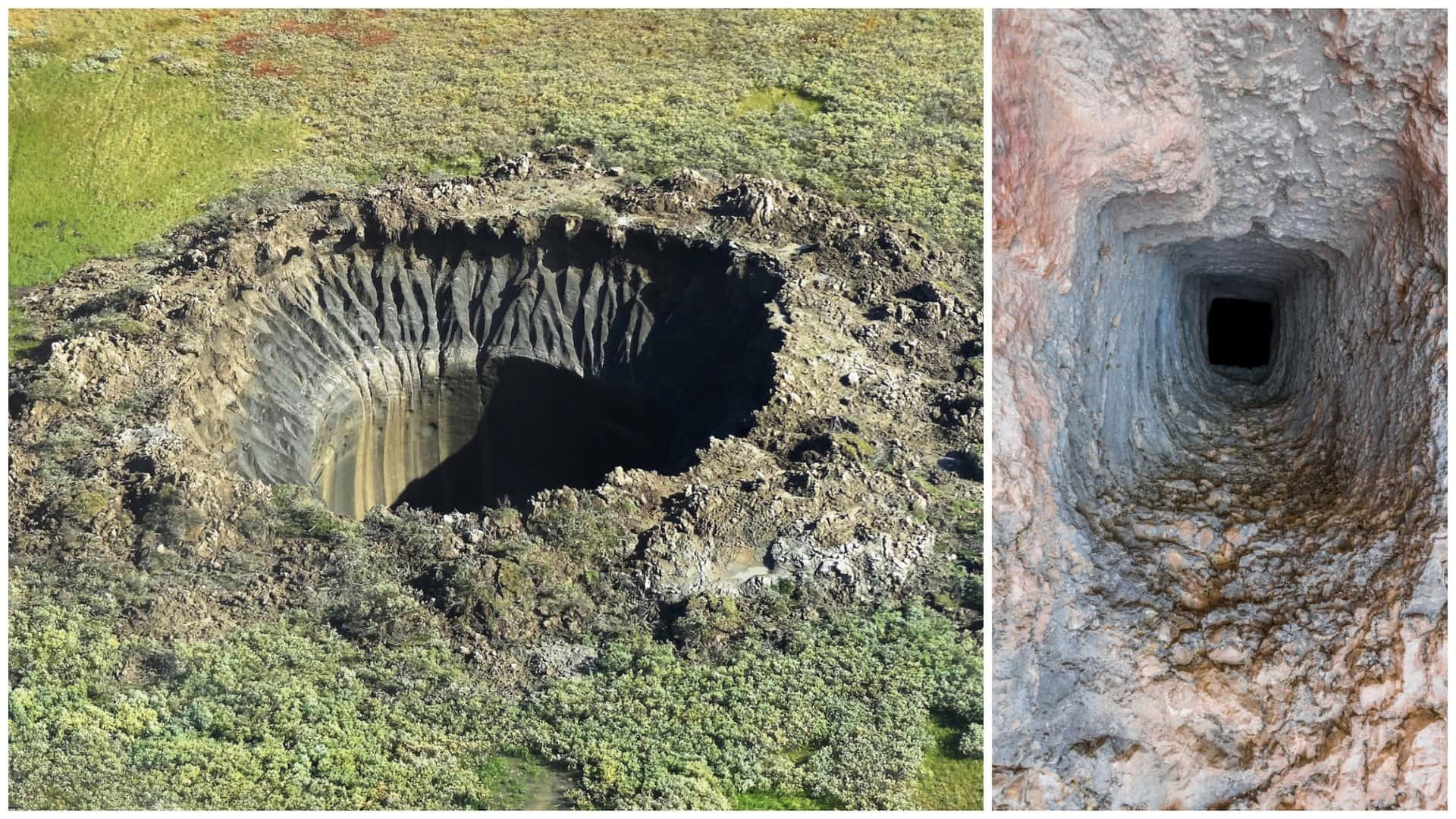
Scientists Dug The Deepest Hole On Earth But This Broke Their Drill
The Unexpected
They were doing well and following the plan. They were on their way to the mantle. But then something strange occurred. Their plans had been thrown off. They have no choice except to seal the hole. What did they discover down below? You’d never guess what.

The Unexpected
Above And Below
It’s no wonder that people are fascinated by what lies under the earth’s surface. Humans are constantly daring to go into the unknown. Even the sky is being investigated right now. We can relieve our obsession with the sky and learn more about the cosmos than we have ever known before with the assistance of commercial businesses and worldwide space organizations.
Above And Below
Interesting Discovery
In 1957, the first artificial satellite was launched. But that wasn’t the last time we gazed up at the stars. In the past several decades, we have made significant advances in space science. But did you realize that what is under the ground is just as fascinating?

Interesting Discovery
The Cold War
Some argue that we know more about what’s in space than what’s under our feet. Have you ever heard of a space race? It’s a race between two Cold War rivals, the Soviet Union (USSR) and the United States (US), to acquire superior spaceflight capabilities in the twentieth century. It is significant because it demonstrated to the world which nation had the greatest science, technology, and economic structure. And we have achieved much, but few people are aware of the conquest to conquer the land.
The Cold War
Race To The Depths
Since the late 1950s, scientists from the United States and the Soviet Union have been working together on an experiment to explore the Earth’s crust. The crust is the Earth’s lightest and most buoyant rock layer. The continental crust spans 41% of the Earth’s surface, with the seas covering a quarter of that area. The continental crust has a thickness of up to 30 miles. Then there’s the mantle.
Race To The Depths
The Mantle
The thick shell is then replaced by the mantle, an enigmatic inner layer. This deeper layer is responsible for about 40% of the Earth’s mass. This resulted in an interesting excursion for scientists and researchers.

The Mantle
Project Mohole
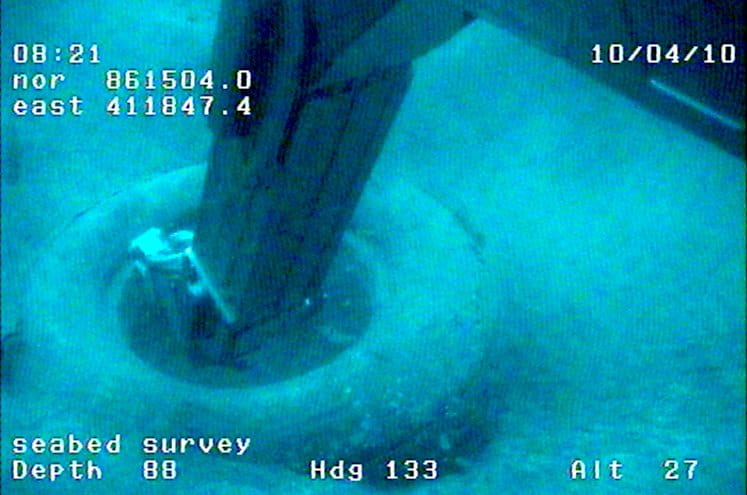
In 1958, the United States took the lead by launching Project Mohole. It is just a short distance from Guadalupe, Mexico. The project needed a team of engineers to dig into the Pacific Ocean’s bed.
Project Mohole
Reaching The Mantle
They were able to descend to a depth of more than 600 feet. Having said that, Project Mohole was eventually abandoned eight years after funding was withdrawn. The Americans couldn’t find the mantle.

Reaching The Mantle
The Soviets
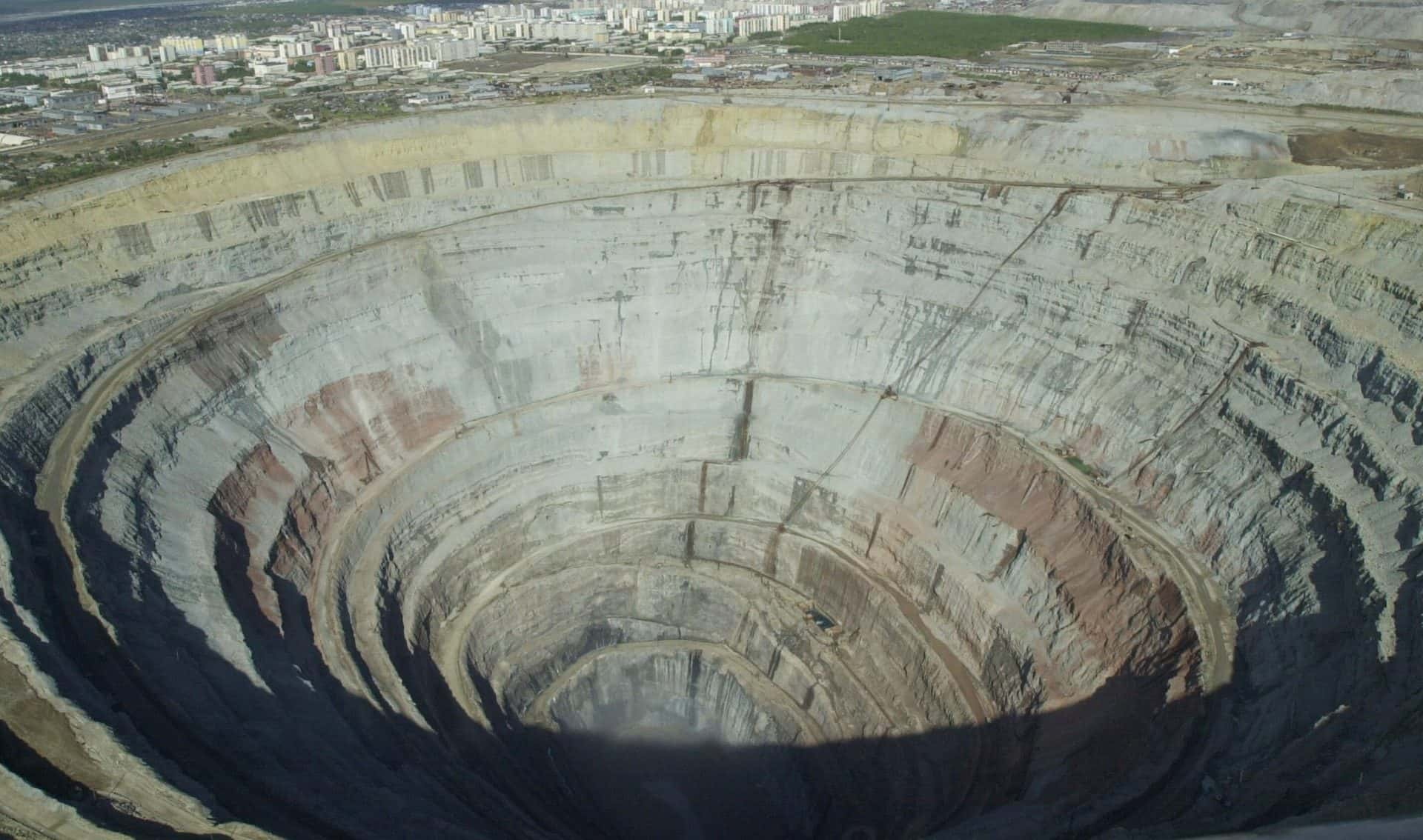
It was then up to the Soviets to give it a go. A team of specialists started drilling into the crust under the Pechengsky District. It was a different approach than the original researchers used.
The Soviets
Digging Deep
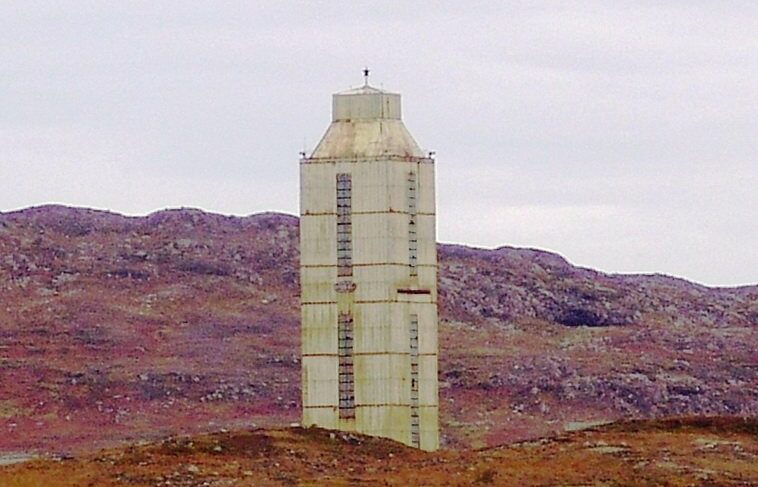
The Kola Peninsula in Russia is a sparsely inhabited area. The objective was straightforward. They just wanted to dig as far into the crust as possible.

Digging Deep
What Their Goal Is
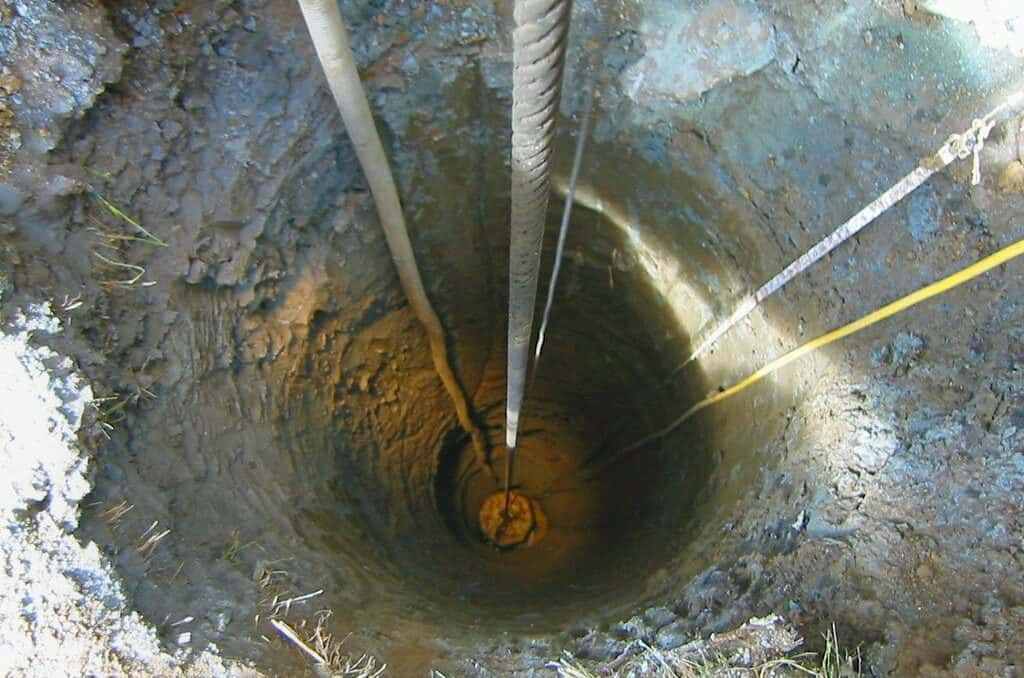
The Soviets also intended to dig as far as 49,000 feet under the Earth’s surface. With the use of sophisticated equipment, they started drilling a sequence of boreholes that branched out from a single hollow. While working on this task, American prospectors made their own breakthroughs.
What Their Goal Is
Bertha Rogers Hole
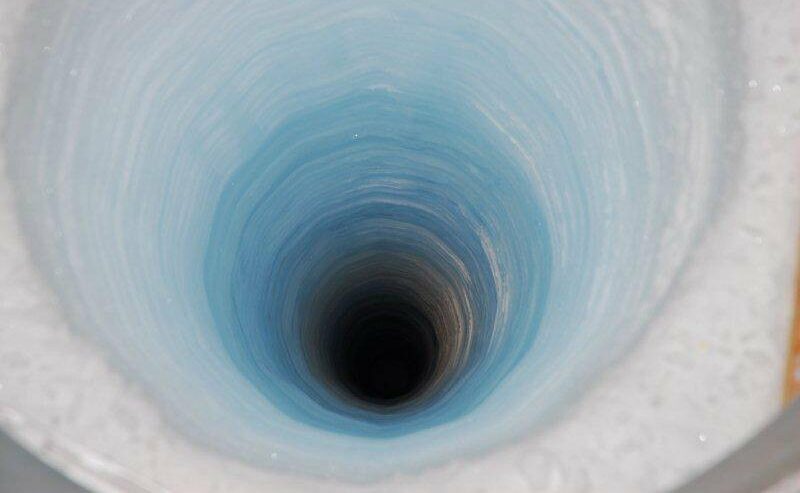
The Lone Star Producing Company started drilling for oil in western Oklahoma in 1974. As a consequence, the “Bertha Rogers hole” was developed by the business.
Bertha Rogers Hole
Where Is It Located?
The man-made wonder, which is situated in Washita County, is more than 31,400 feet under the planet’s surface. That’s more than six miles! It was really profound!

Where Is It Located?
Breaking The Record
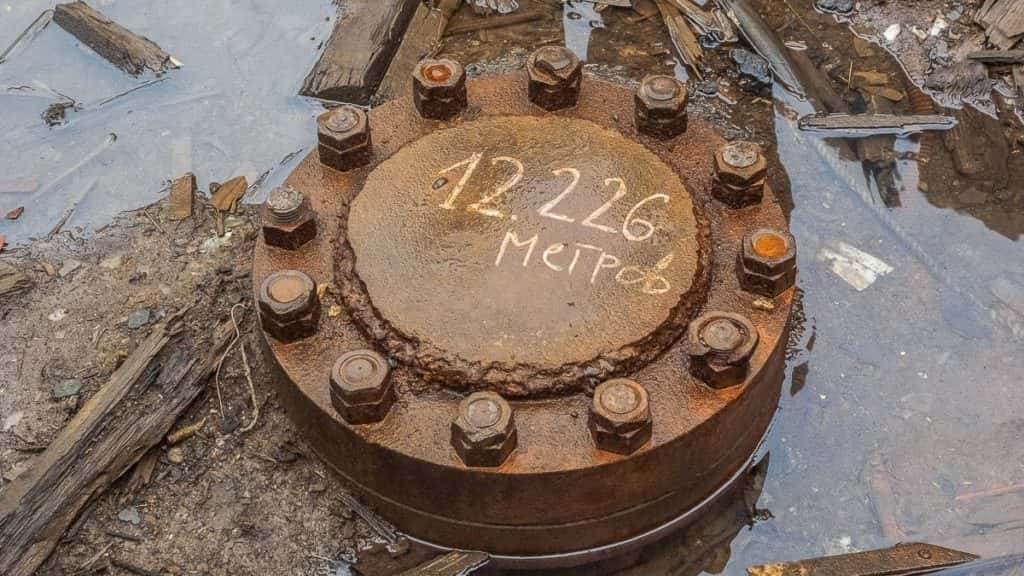
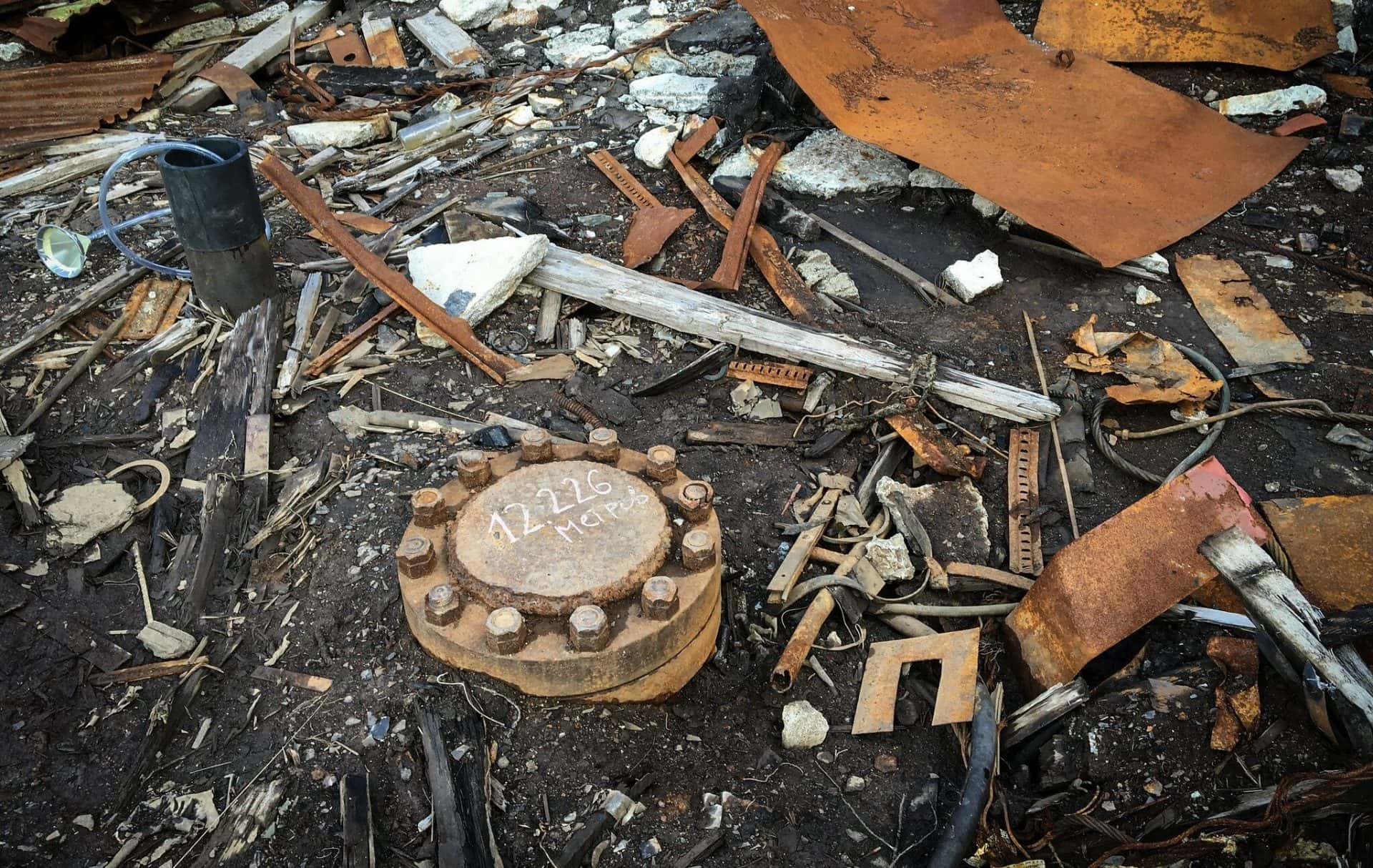
Lone Star didn’t find what it was searching for, but it held the record of being the deepest hole on Earth for another five years. On June 6, 1979, SG-3, one of the Kola boreholes, shattered that record. By 1983, the nine-inch-wide hole had sunk 39,000 feet under the planet’s surface.
Breaking The Record
After That Milestone
Now that they have reached that milestone, the Kola Peninsula researchers have temporarily stopped activities. They took a year’s break from construction to enable people to view the beautiful site.
After That Milestone
Technical Problems
However, when they tried to continue after a year, they ran across a technological problem, forcing them to stop once again. The project was halted once again. What action did the scientists take?

Technical Problems
Not Losing Hope
The researchers did not give up. They decided to abandon the first borehole and start again. They attempted it once again, but this time from a depth of 23,000 feet.
Not Losing Hope
Breaking The Record
By 1989, they had broken the previous record by diving to a depth of 40,230 feet (7.5 miles). This boosted their confidence. They should be able to fly considerably higher than 44,000 feet by the end of 1990 if everything goes well.

Breaking The Record
Something Down There
It was even more impressive when they anticipated reaching 49,000 feet as early as 1993. However, something unexpected was lurking under the desolate tundra.
Something Down There
Something’s Wrong
As they got closer to the Earth’s core, they came upon something that made them reconsider their objective. This was a game-changer for them. It had a big influence on their research approach. What did they discover?

Something’s Wrong
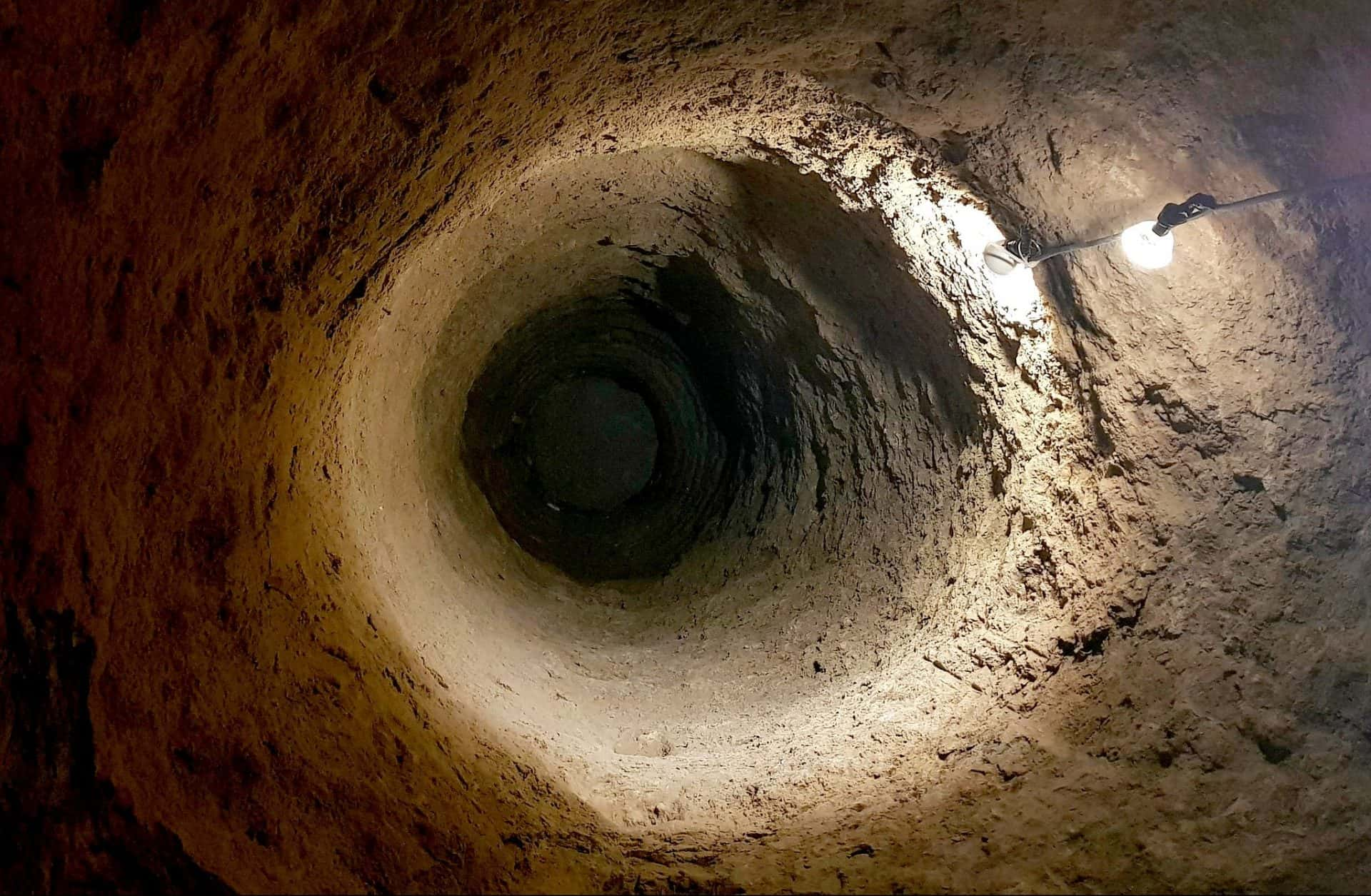
The Unexpected Temperature
Temperatures in the borehole were about as predicted by the researchers. This was true for the first 10,000 feet of the excavation. After that, though, things started to shift.
The Unexpected Temperature
The Temperature Changed
They had overestimated the rate at which the temperature would increase. The temperature in the hole had reached 180 °C (356 °F) by the time they got close to the target. This is 80 degrees Celsius (176 degrees Fahrenheit) warmer than they had anticipated!

The Temperature Changed
There Was More
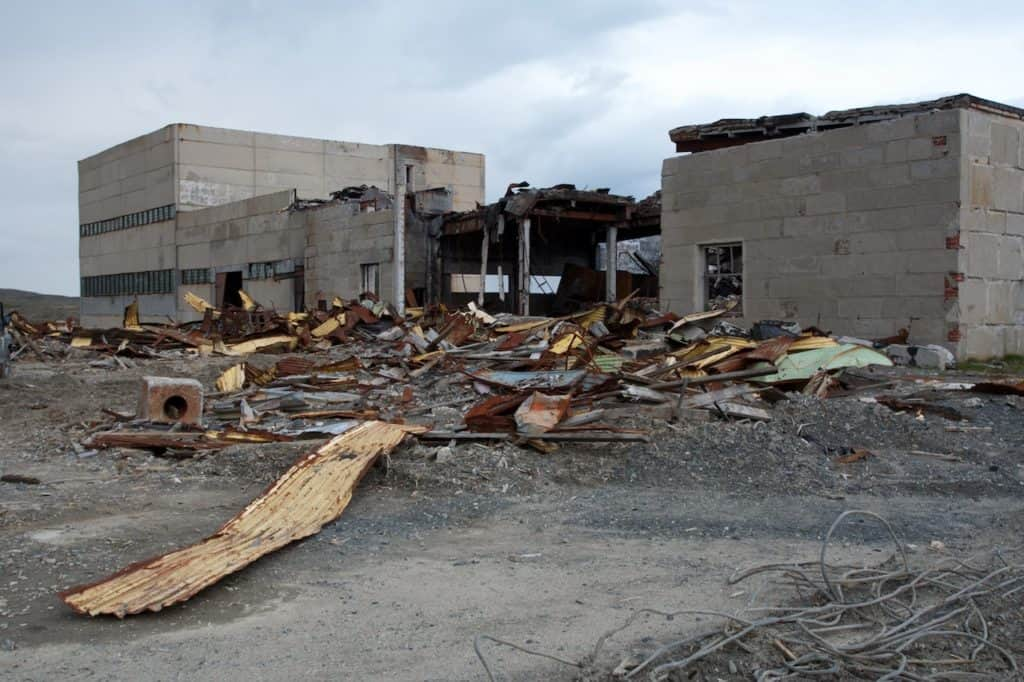
That wasn’t the only difference. Furthermore, the researchers found that the granite at such depths was far thinner than previously believed. As a consequence, it responded to higher temperatures in unanticipated ways.
There Was More
Abandoning The Project
They opted to cancel the project since they knew the equipment would fail under such conditions. At that time, they had been digging for 22 years.

Abandoning The Project
The Kola Superdeep Borehole
Before sealing off what became known as the Kola Superdeep Borehole, the researchers discovered several interesting items. For starters, they discovered tiny remains of sea plants around four miles deep.

The Kola Superdeep Borehole
What Did They Find?
Considering how many years they have been buried underneath many kilometers of rock, it’s unimaginable how the relics they found were in excellent condition. Scientists estimated the rocks to be over two billion years old!

What Did They Find?
Not What They Expected
Not only that, but as they dug deeper, they found more interesting stuff! Originally, scientists believed that the rock under the earth transforms from granite to basalt. This is what seismic waves project, it happens at 2 to 5 kilometers underneath the surface of the earth.
Not What They Expected
It Was Different
Now that they reached that said depth, they realized they were wrong. Or at the very least, this was not the case of Kola Peninsula. They discovered more revelations as they continue with their excavation. And they were not prepared to uncover the most amazing thing about the earth.

It Was Different
It Was Still Granite
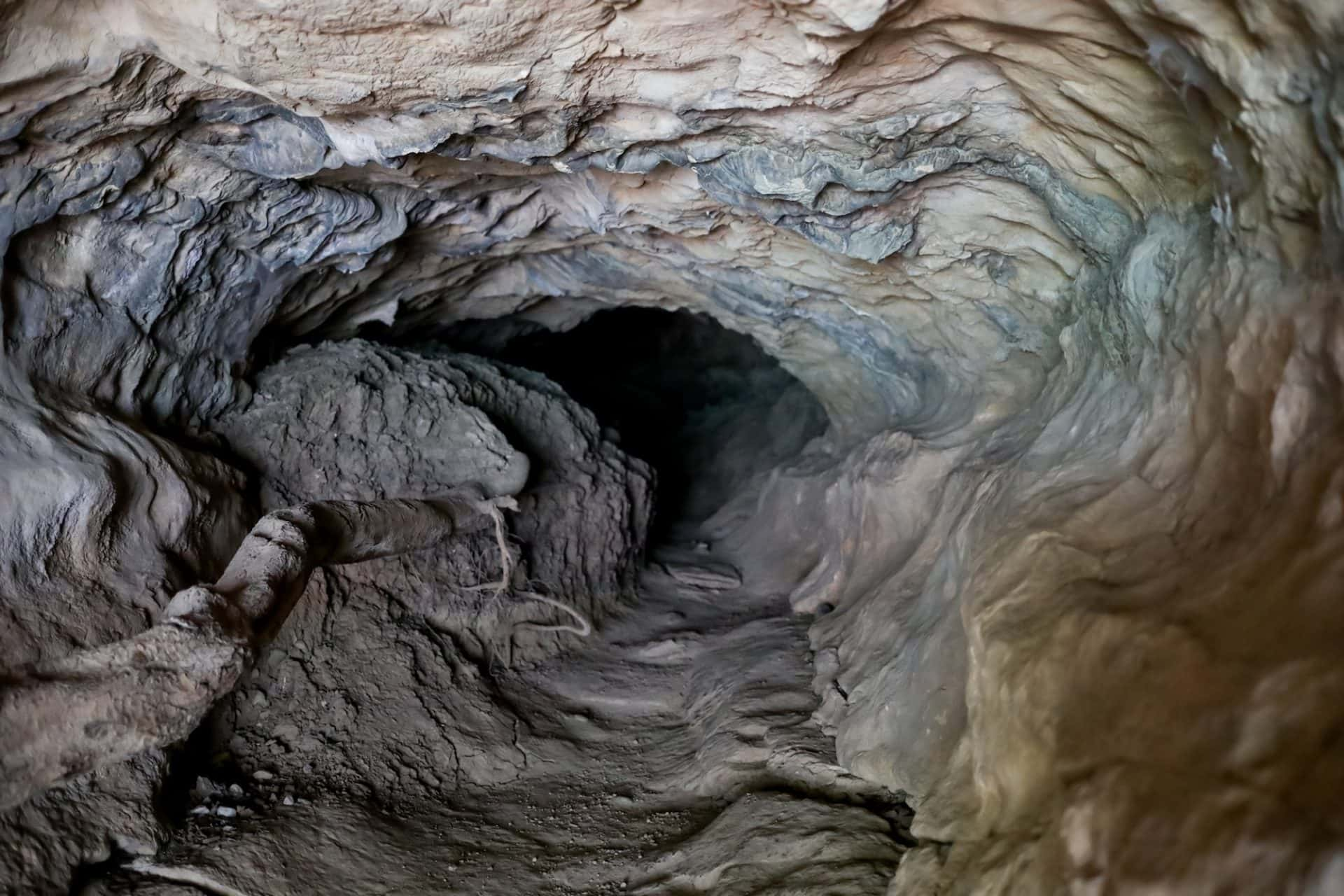
Scientists found granite even the deepest point of the borehole! So where was the seismic wave change coming from? After many arguments, they have concluded that the seismic wave change is not caused by the transition of granite to basalt. Instead, it could be caused by metamorphic changes in the rock.
It Was Still Granite
They Found Something Incredible
This is only minor to the major discovery they are about to see. After going doing a few kilometers under the surface, they found running water. Amazingly, that wasn’t the end of it.

They Found Something Incredible
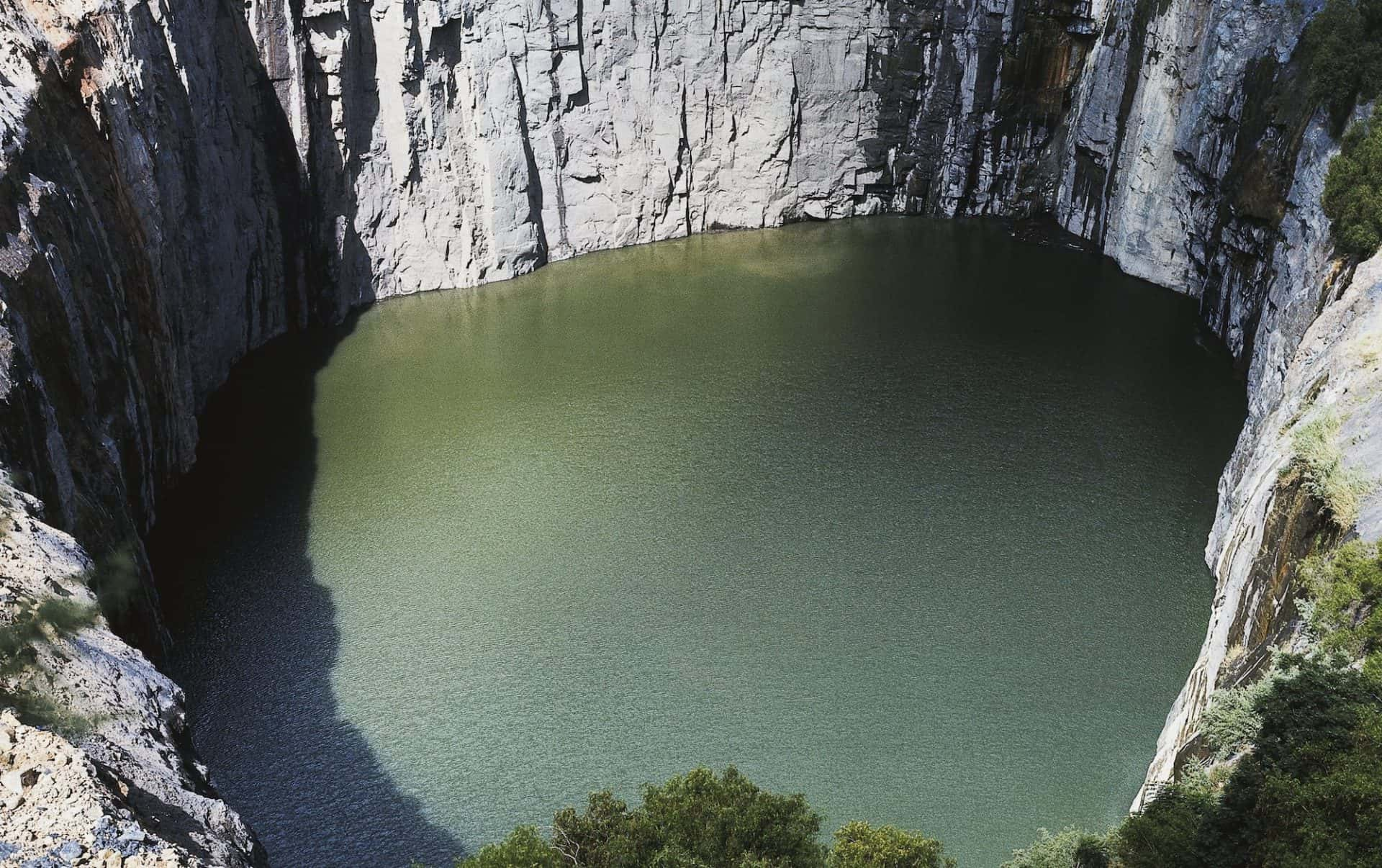
Proof Of Biblical Flood
Some people believed that the water they found was a piece of solid evidence about the Great Flood mentioned in the Bible. However, some people were convinced that this phenomenon occurred because of the high pressure pushing hydrogen and oxygen atoms out of the rock.
Proof Of Biblical Flood
Trapped Beneath The Surface
Following the high-pressure theory, they also believed that the pressure created H20, or what we have generally known as water. Hence, the reason why there’s fresh water in these impermeable rocks. Researchers came up with this explanation, but what are your thoughts?

Trapped Beneath The Surface
Closure And Collapse
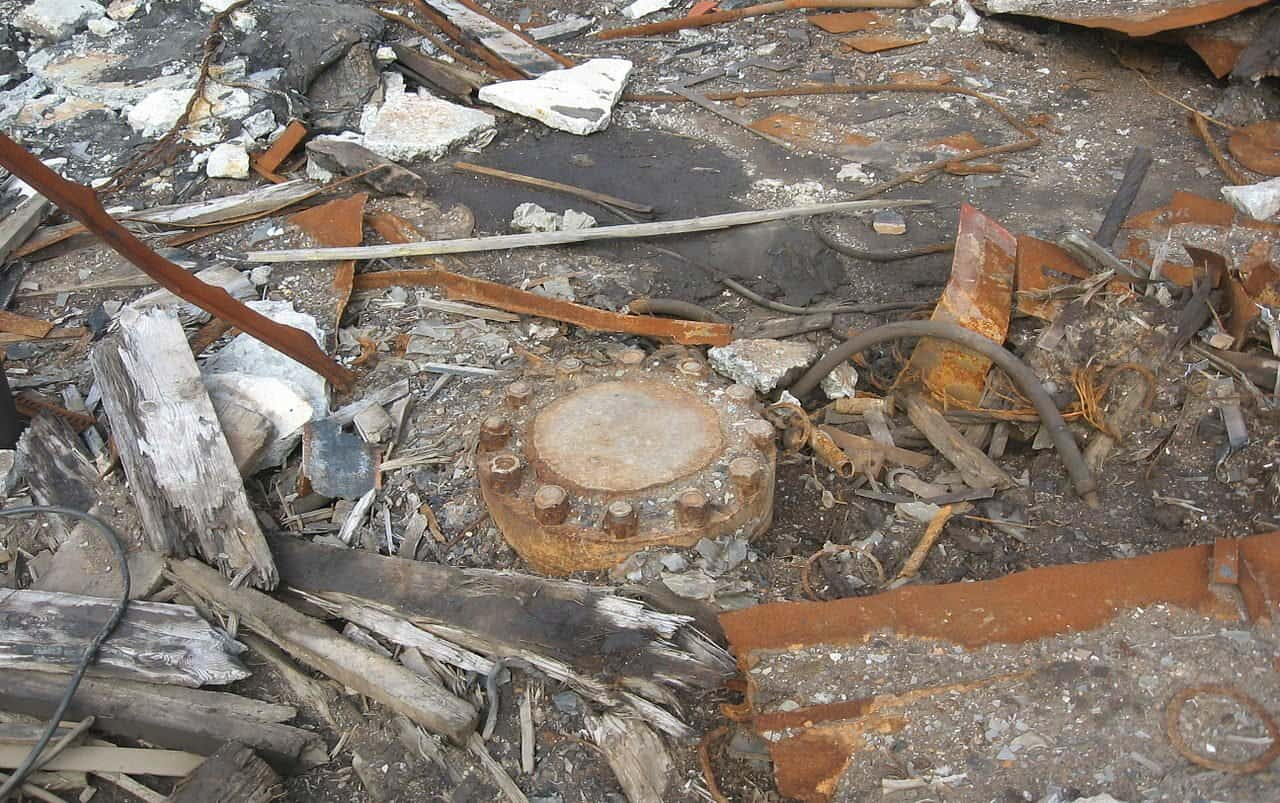
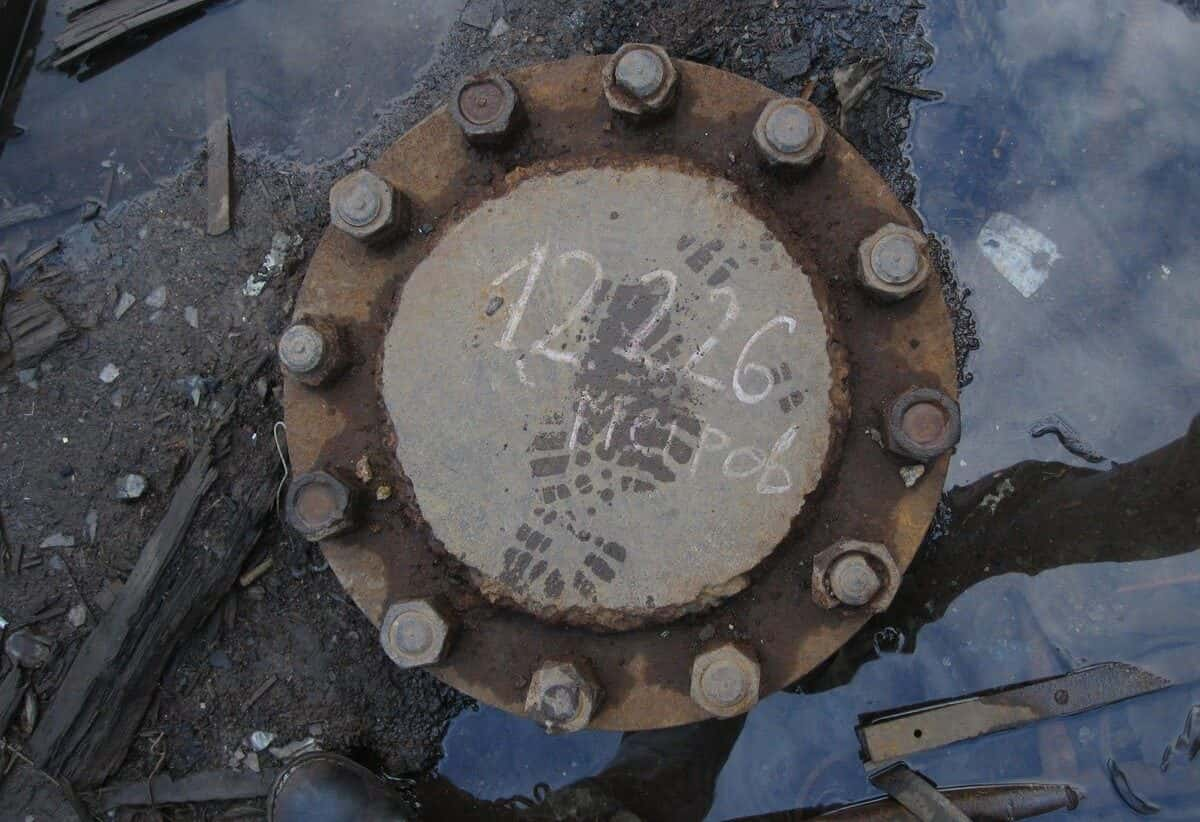
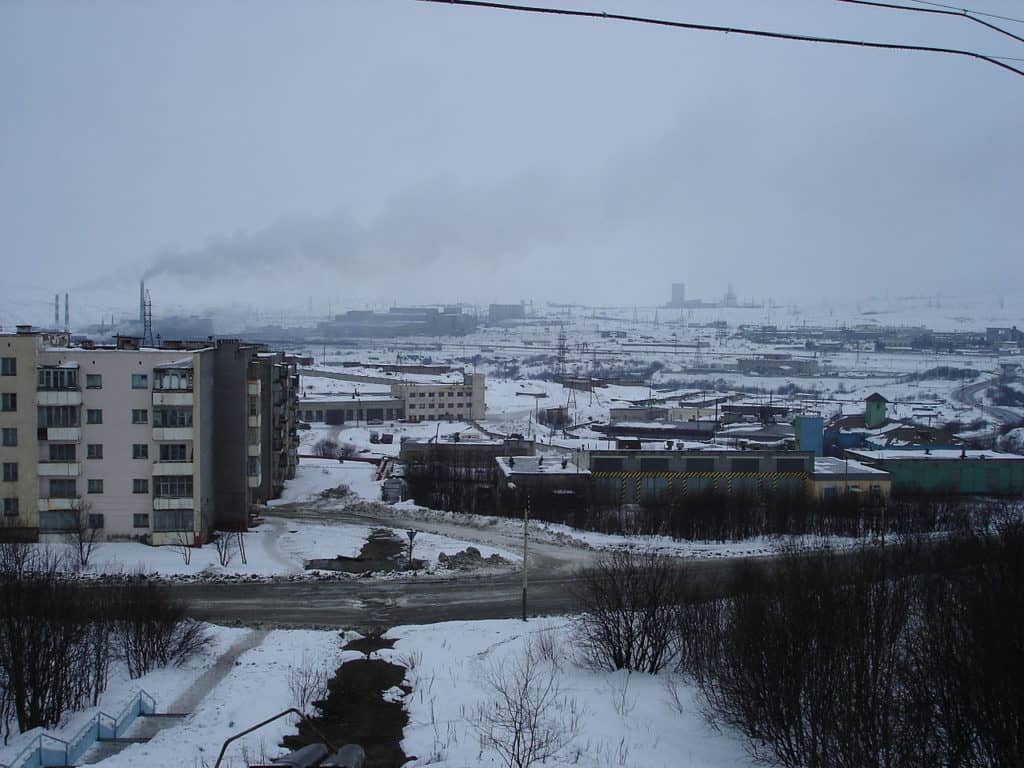
When the Soviet Union collapsed, Kola Superdeep Borehole was sealed. The operation was permanently stopped in 1995 because it was declared an environmental threat. However, guests and tourists are allowed to see and visit the neighboring town of the site in Zapolyarny. It is about 5 miles from the borehole. But isn’t it cool that no one has ever broken the record? Up to this day, this is still considered the deepest man-made hole in the world!
Closure And Collapse
The Race To The Center
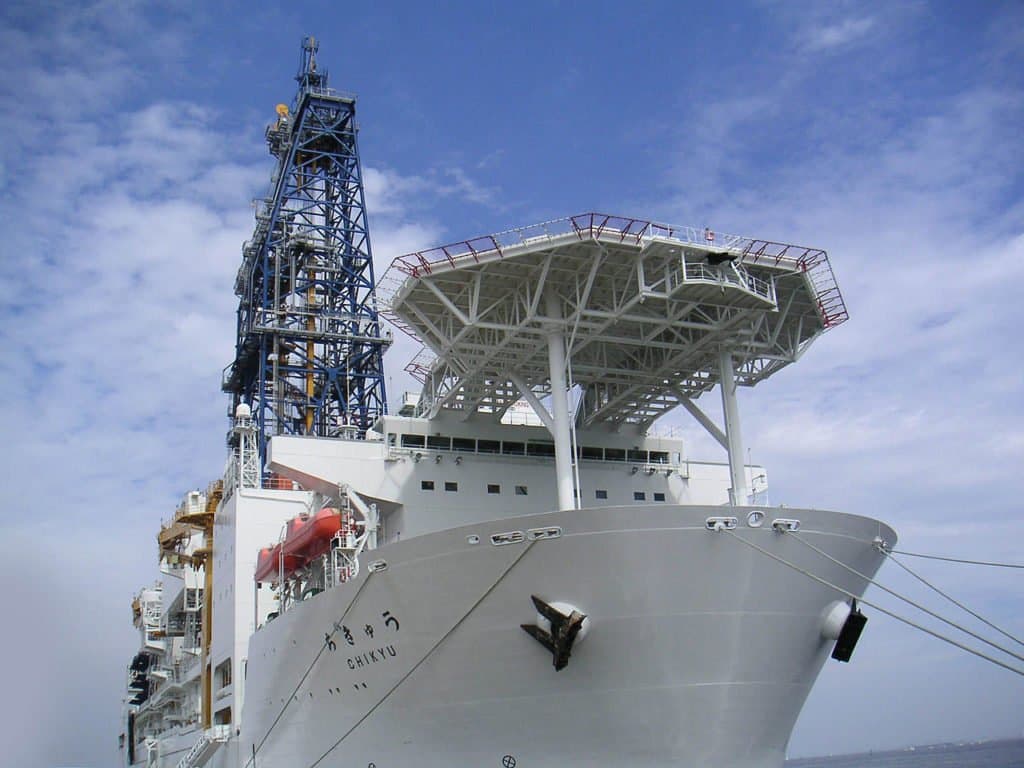
But just to set the record straight, the race was far from finished. We are still on our journey to reach the core of the earth. The International Ocean Discovery Program decided to explore our seabed, and they have been drilling in our seas. To be able to find discoveries, they must endure the harsh temperatures and malfunctioning equipment under the ocean!
The Race To The Center
Below The Water
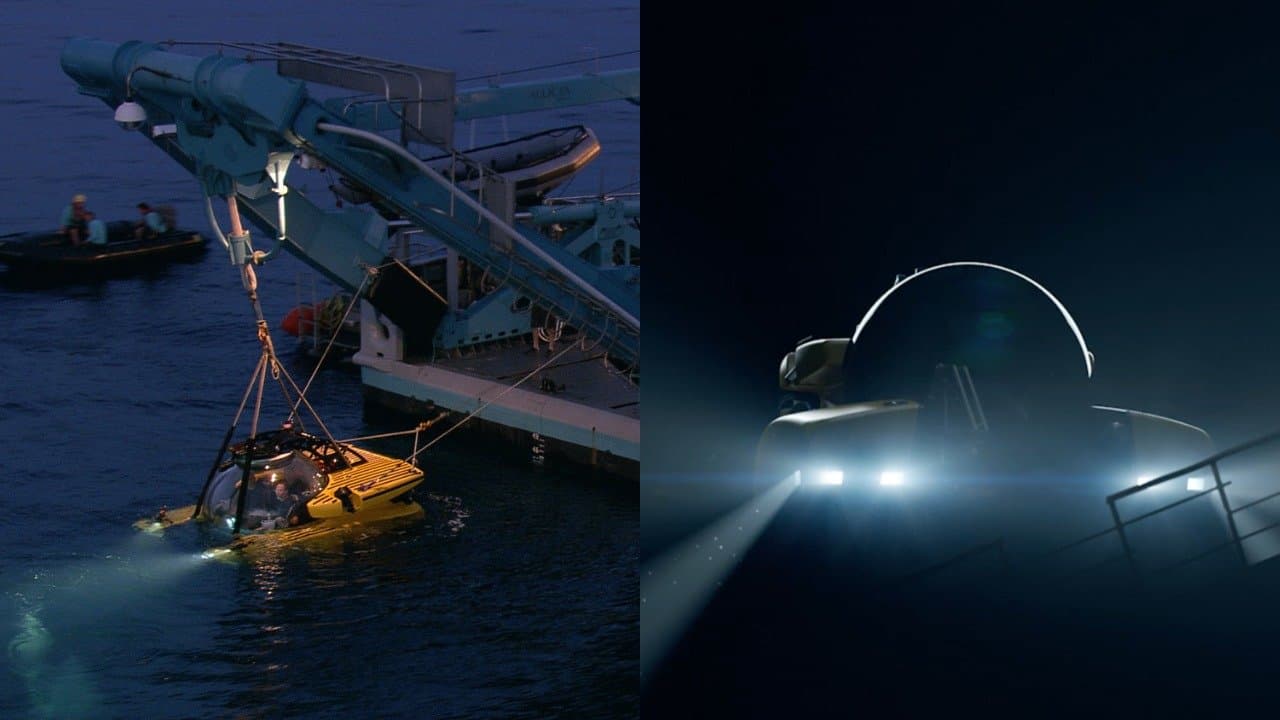
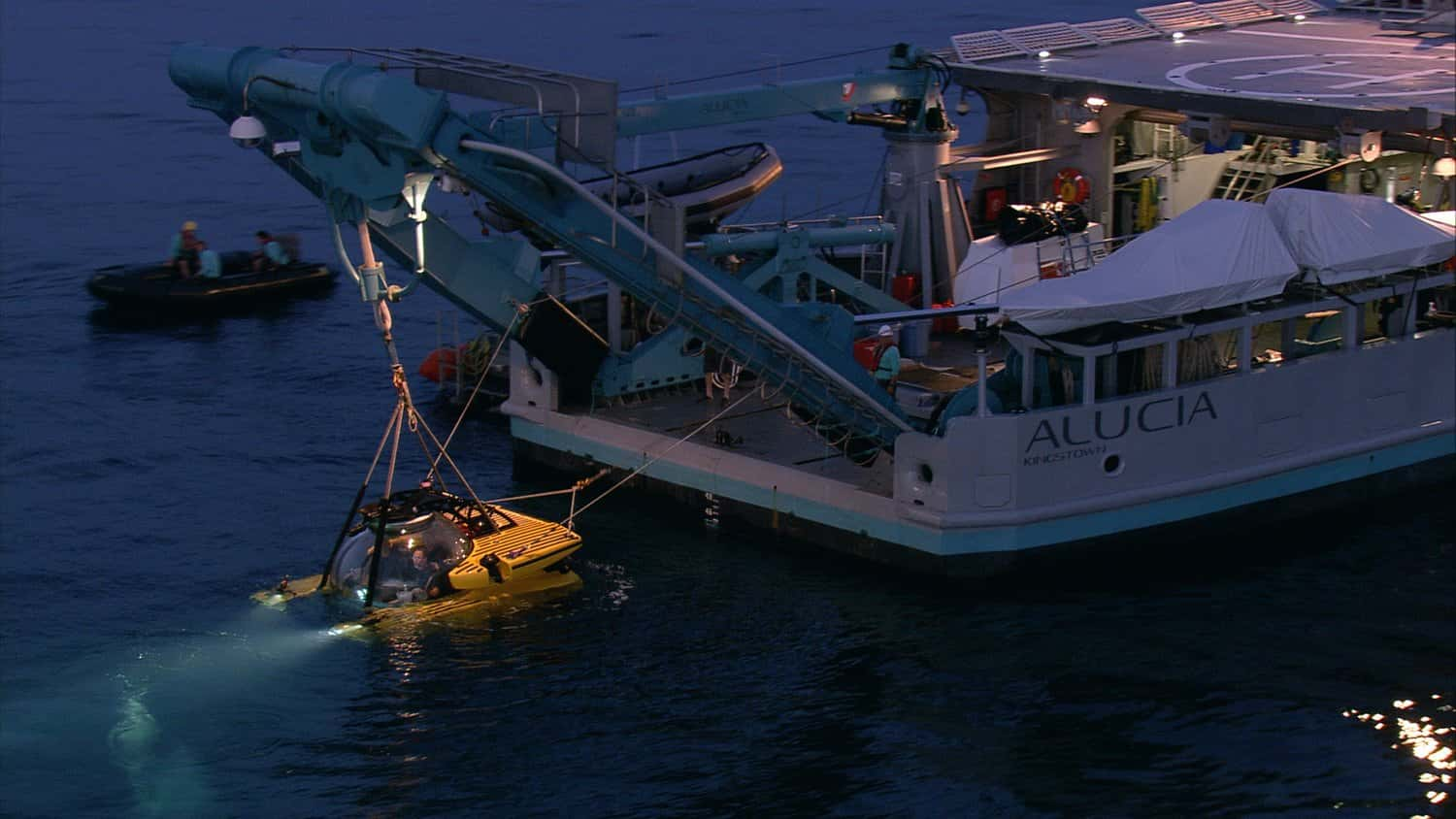
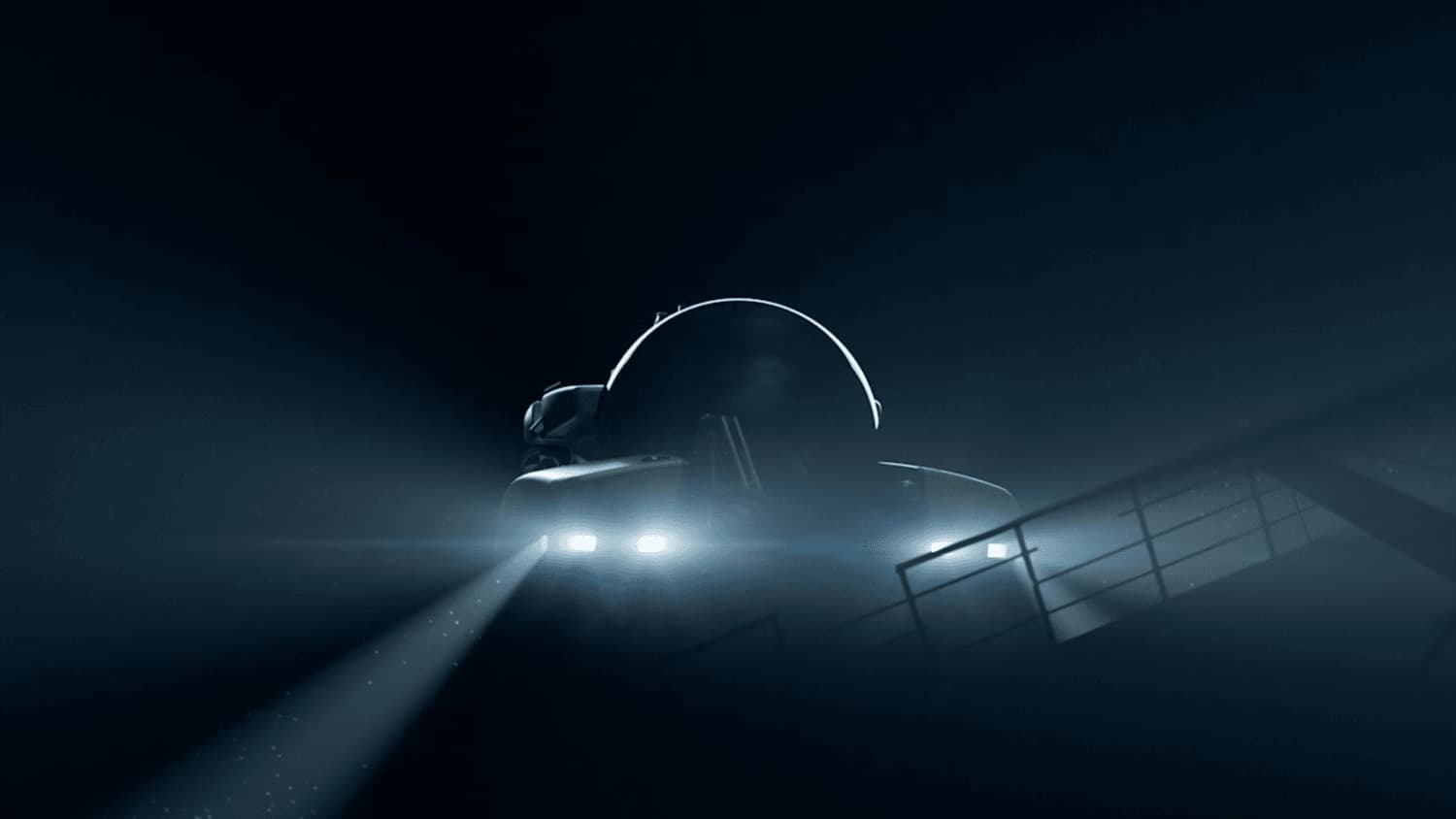
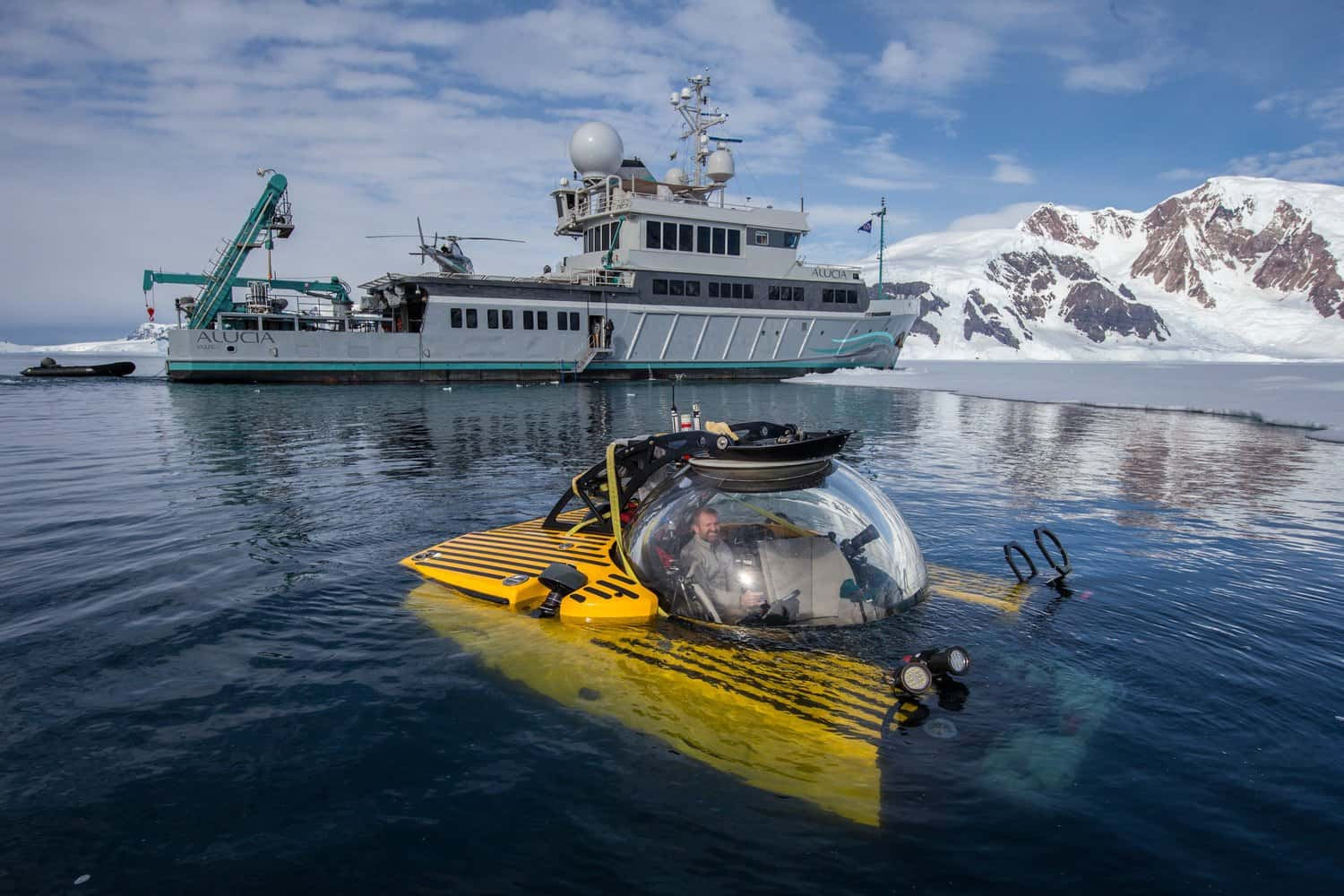
They do, however, venture beneath the sea for purposes other than reaching the mantle. In one case, a two-man submersible lowered into the Antarctic on an exploration mission actually plunged into the unknown. The crew members’ goal was to penetrate deeper down the water than anyone had ever gone before, all the way to the South Pole. What did they find down there? Let’s just say they got a glimpse of a universe that no one has ever seen before.
Below The Water
Years Of Careful Planning
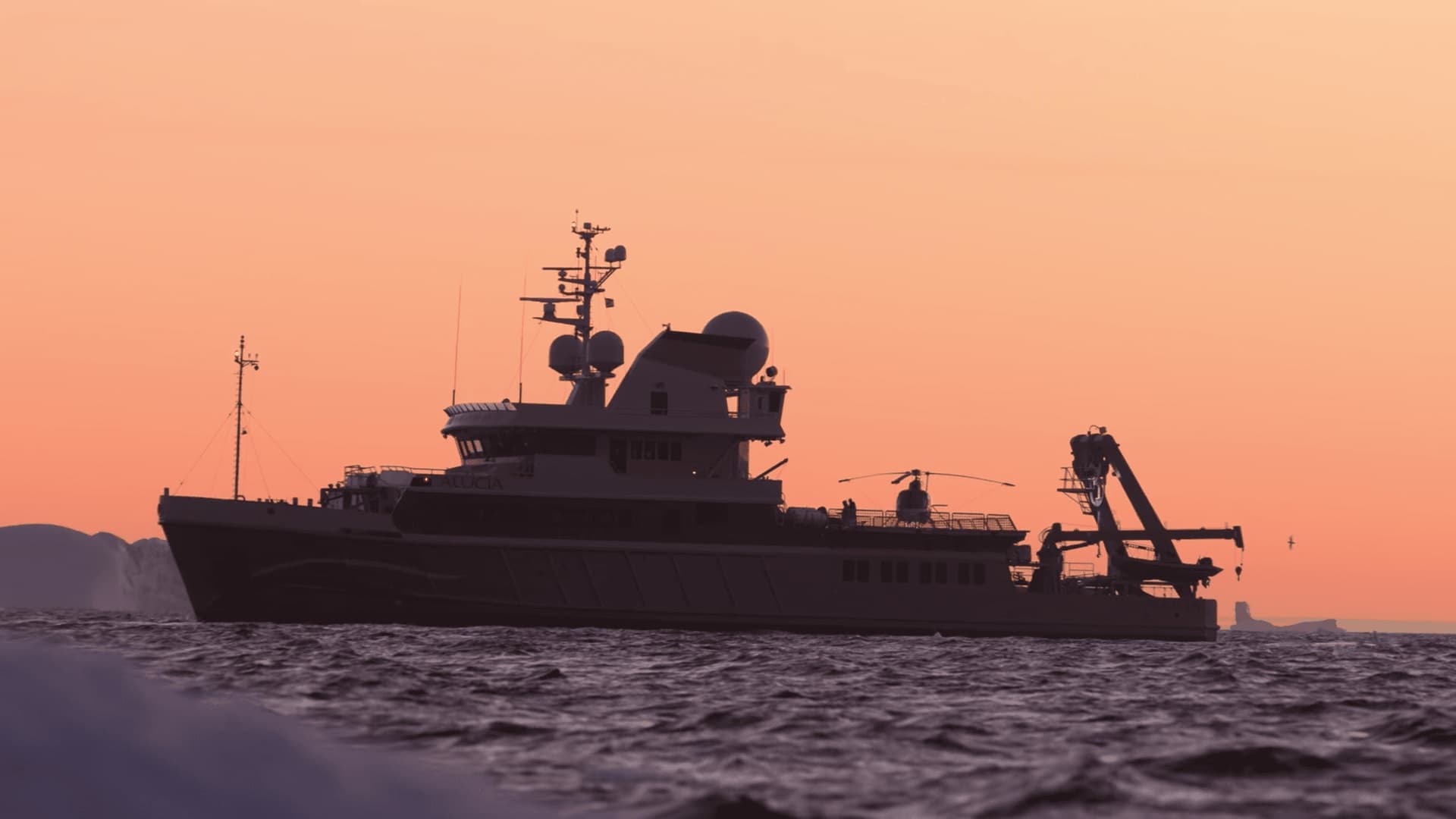
This expedition is not the usual spontaneous mission. They spent the last 24 months planning the best time and location for the dive. And the long delay has a valid reason. Why? It is because we know more about the sky than our own ocean floor.
Years Of Careful Planning
We Know Little About It
We now know more about Mars’ surface than we do about the ocean floor. Allow us to put things into perspective. Our planet is 140 million kilometers away from its nearest neighbor. The typical ocean depth, on the other hand, is less than 12,000 feet, or around two miles!
We Know Little About It
Not Easy At All
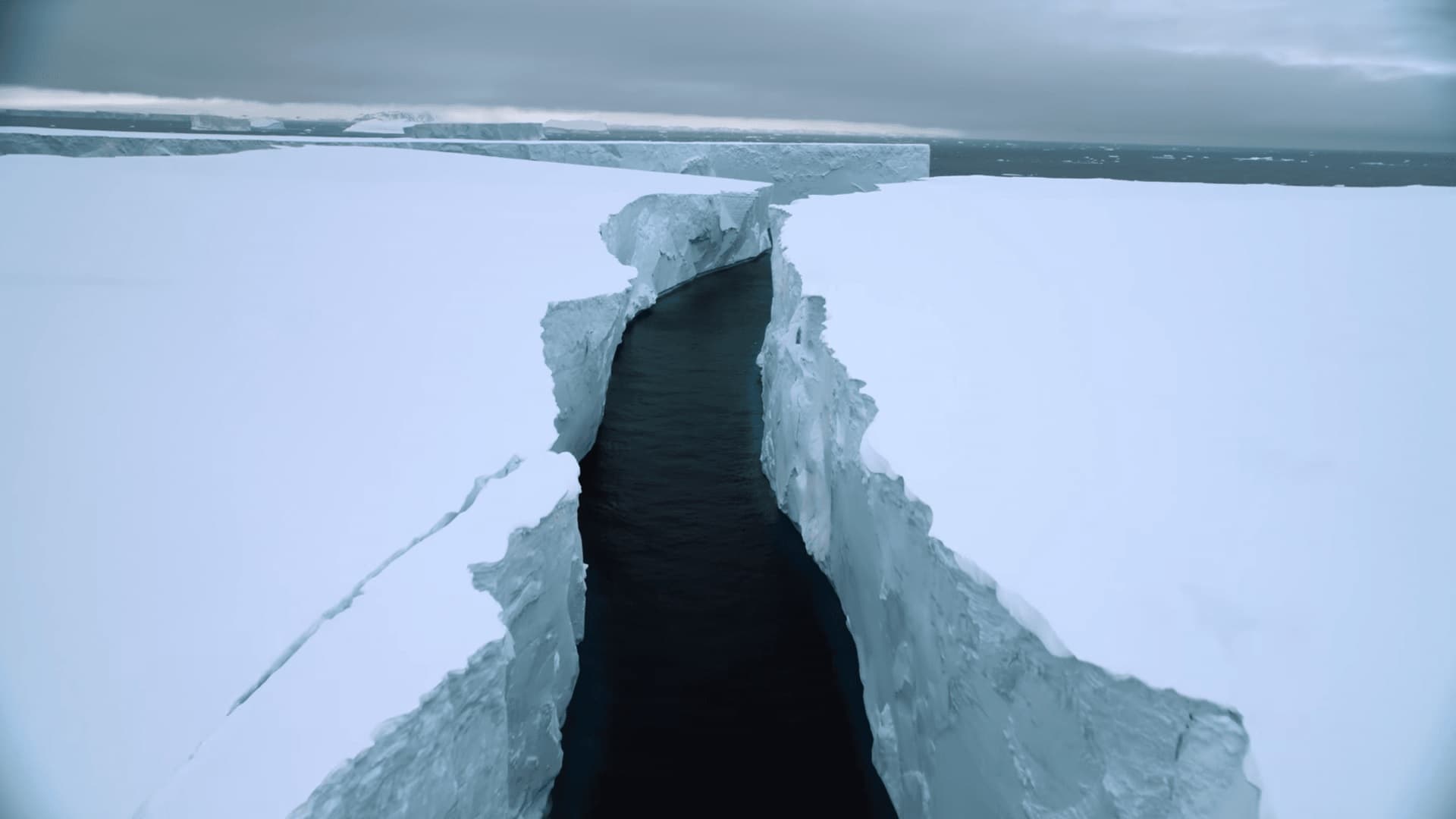
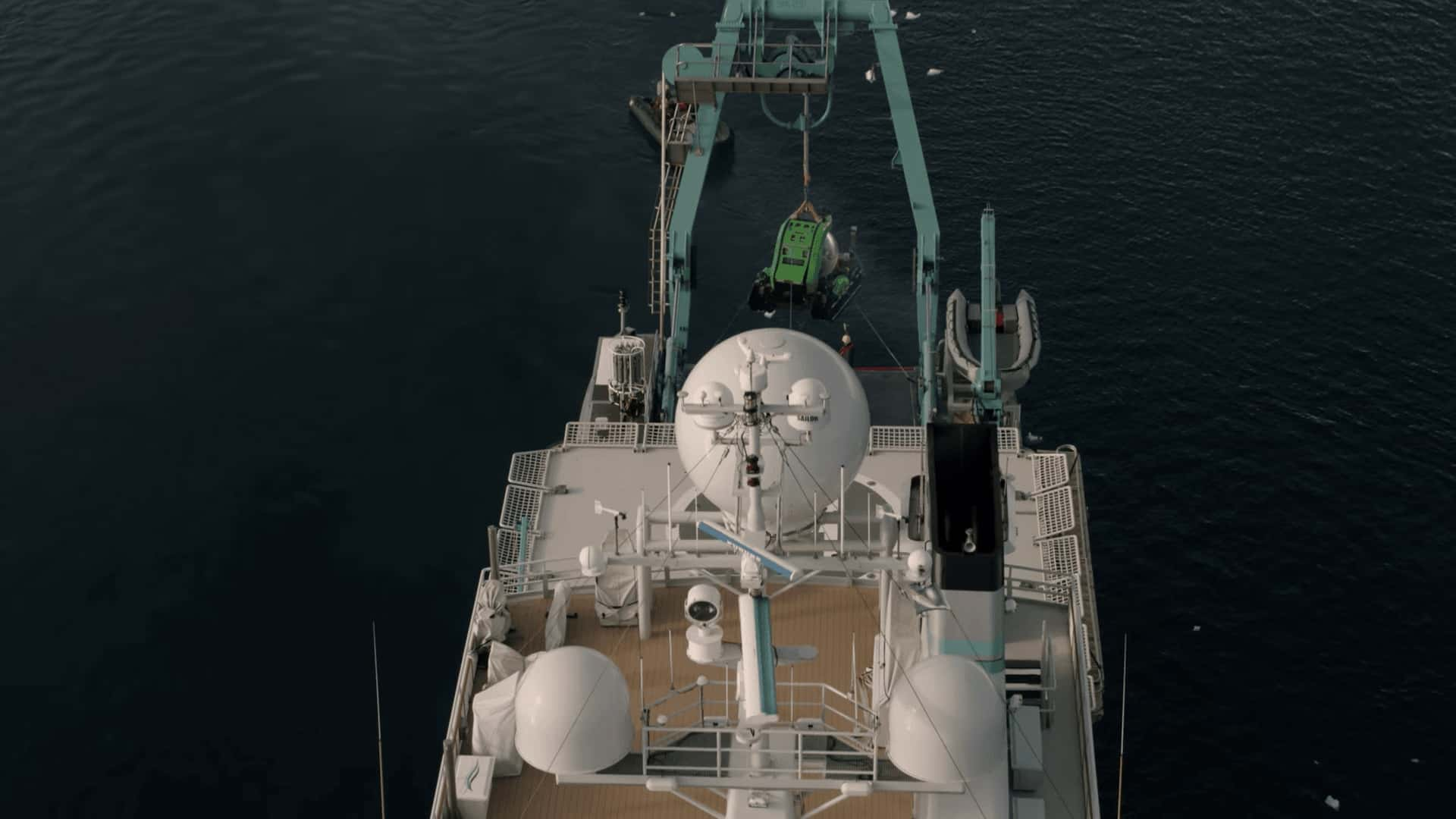
Diving under the Antarctic ocean is a complicated and dangerous task. First of all, scientists needed to plan where they are going to drop. After months of research, they decided to do it on a site known as “Iceberg Alley.” The name was given to the site because of its geography.
Not Easy At All
In The Antarctic
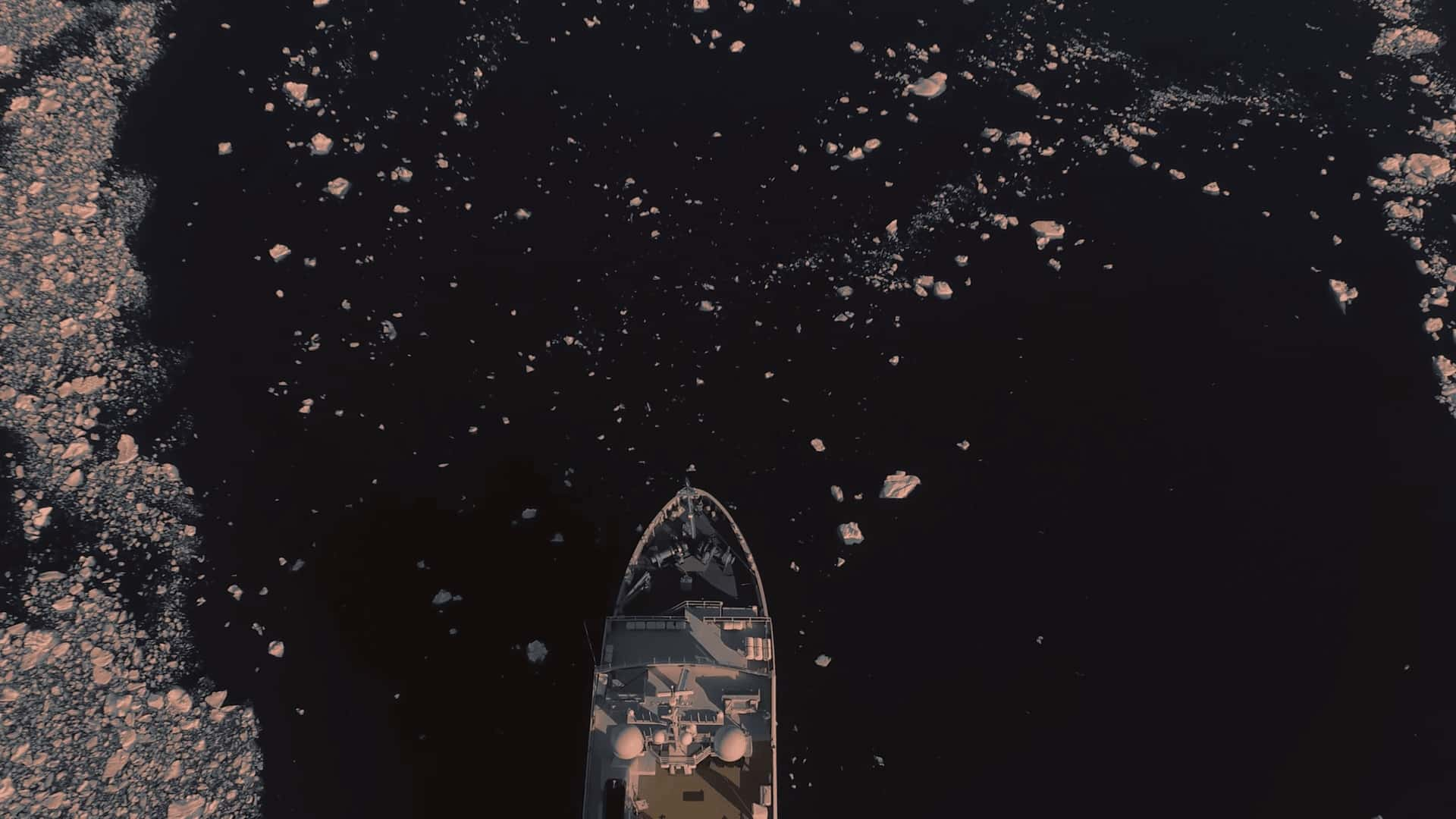
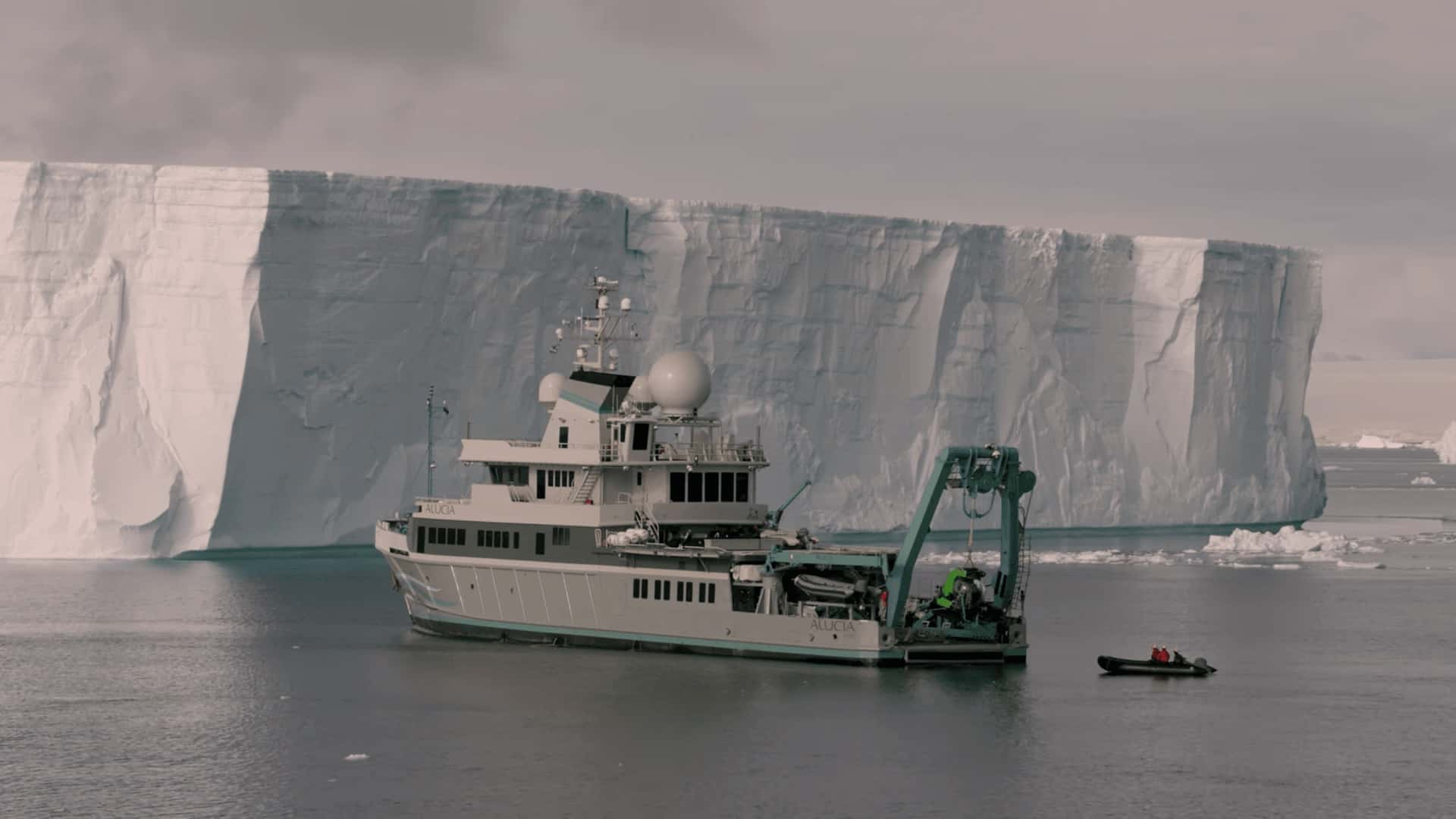
The alley provides a waterway at one of the Antarctic Peninsula’s farthest northern points. The sea’s edge is surrounded by sliding ice chunks. Some are the size of an automobile, while others are half a square mile in size. Getting the boat there with the submersible was a huge job.
In The Antarctic
Diving Into The Unknown
The crew was on a quest to explore the unknown. Watch the documentary! The executive producer, James Honeyborne, said that they faced challenges along the way. He even told the BBC that getting to Iceberg Alley was like playing “a huge game of Space Invaders.” It wasn’t only obtaining the right position that was difficult for them. Other factors also hampered their development.
Diving Into The Unknown
So Many Unknowns
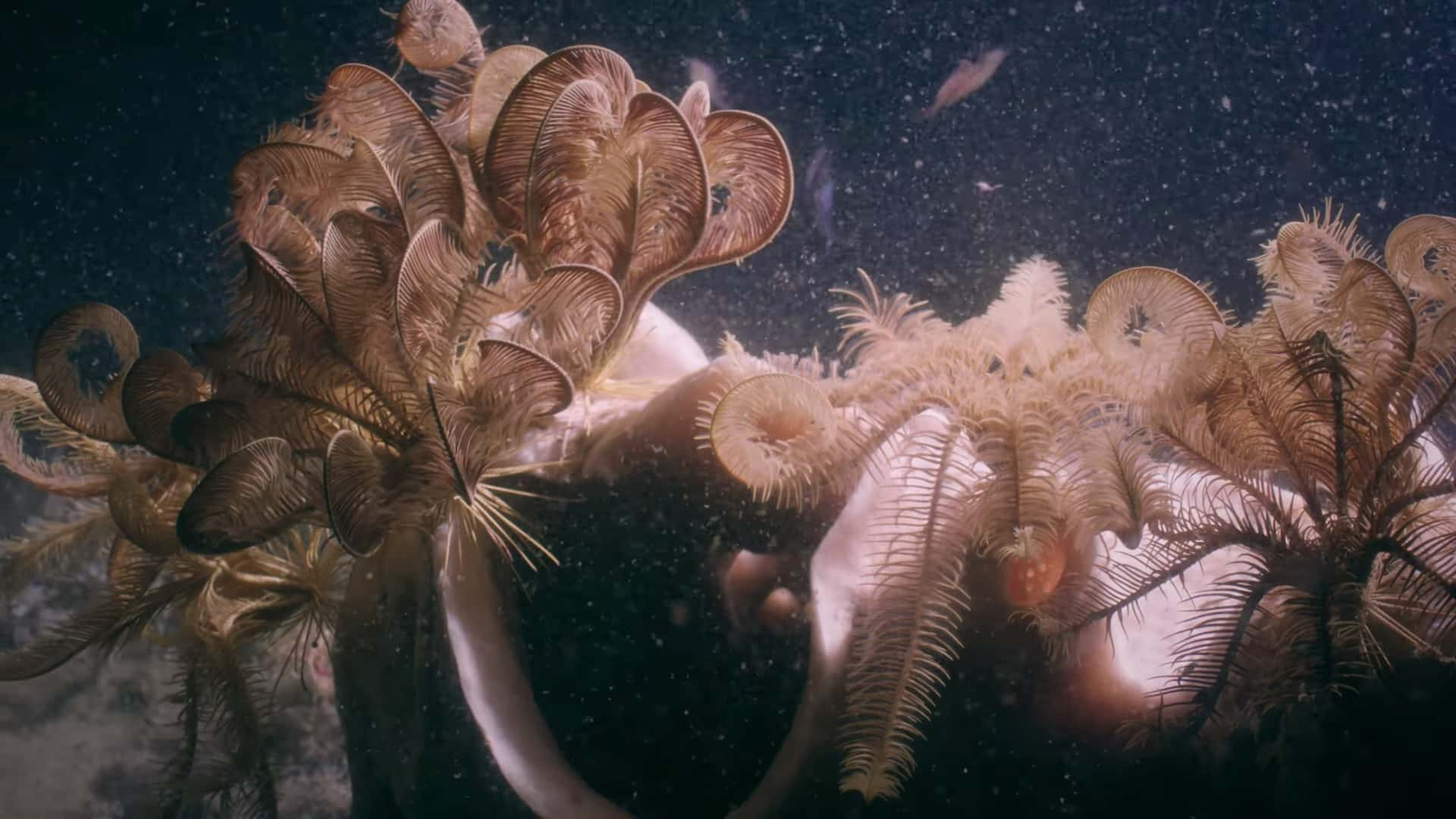
The crew was unsure how their submarines would fare down there. After all, the depth was going to put a lot of strain on it. However, when they started to fall, these concerns vanished. They found an amazing home of interesting creatures under the water. The crew even found one that they named after a major figure from the Star Wars franchise!
So Many Unknowns
More Life There
Even though life above the seas may be unpleasant at times, there are a variety of strange and unique aquatic creatures underneath it all. “There is more life in the depths of the Antarctic than there is on the reefs of Australia’s Barrier Reef,” Mark Taylor told LADbible. He was a part of the aforementioned diving squad. There are many possible reasons for this.
More Life There
Thick Marine Snow
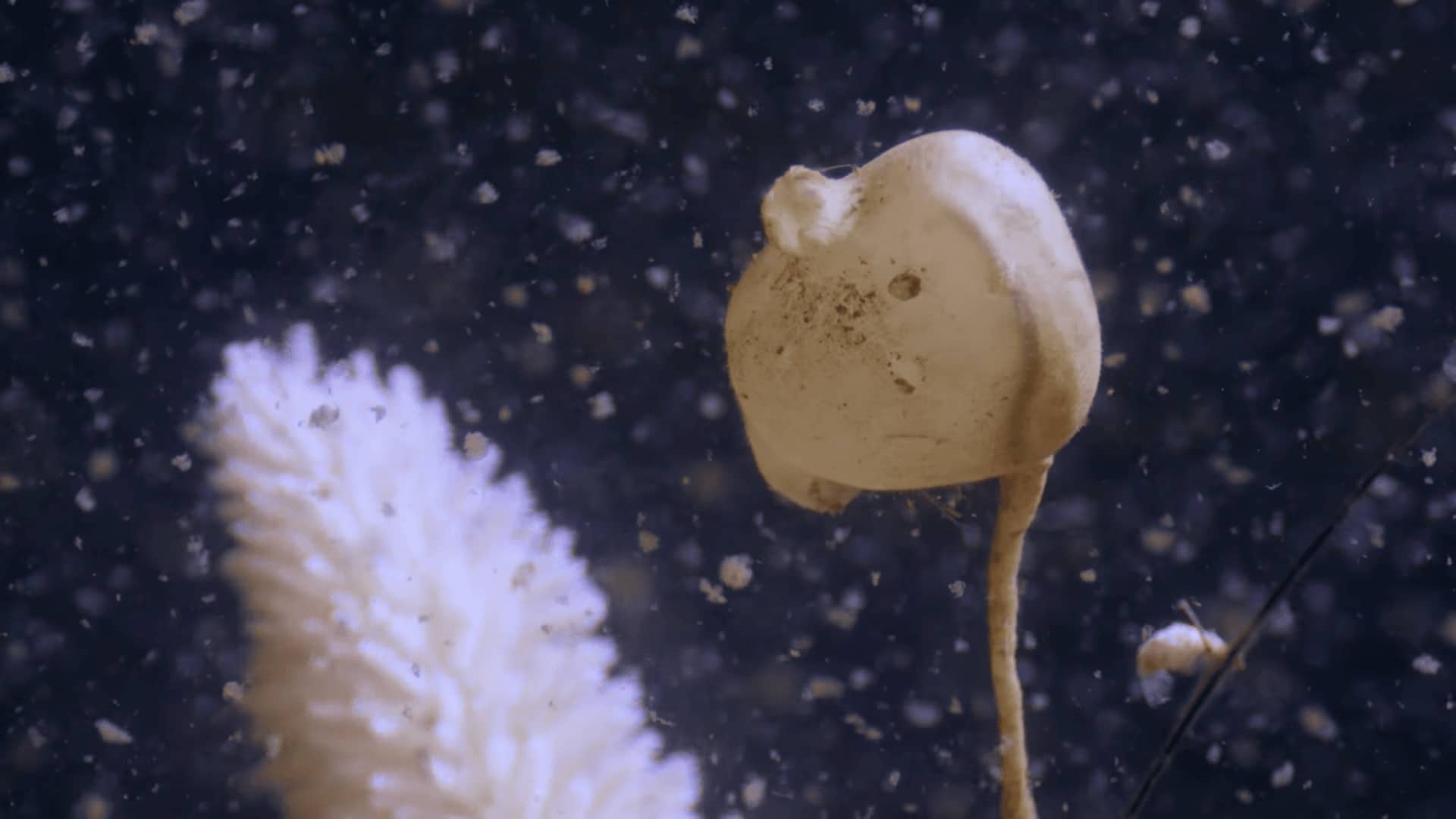
The marine snow they observed under the Antarctic waters was “thicker than [he’s] seen anywhere else in the world’s oceans,” according to Dr. Jon Copley of the University of Southampton. But, what exactly is marine snow? And why is it important for the seafloor?
Thick Marine Snow
Important Food Source
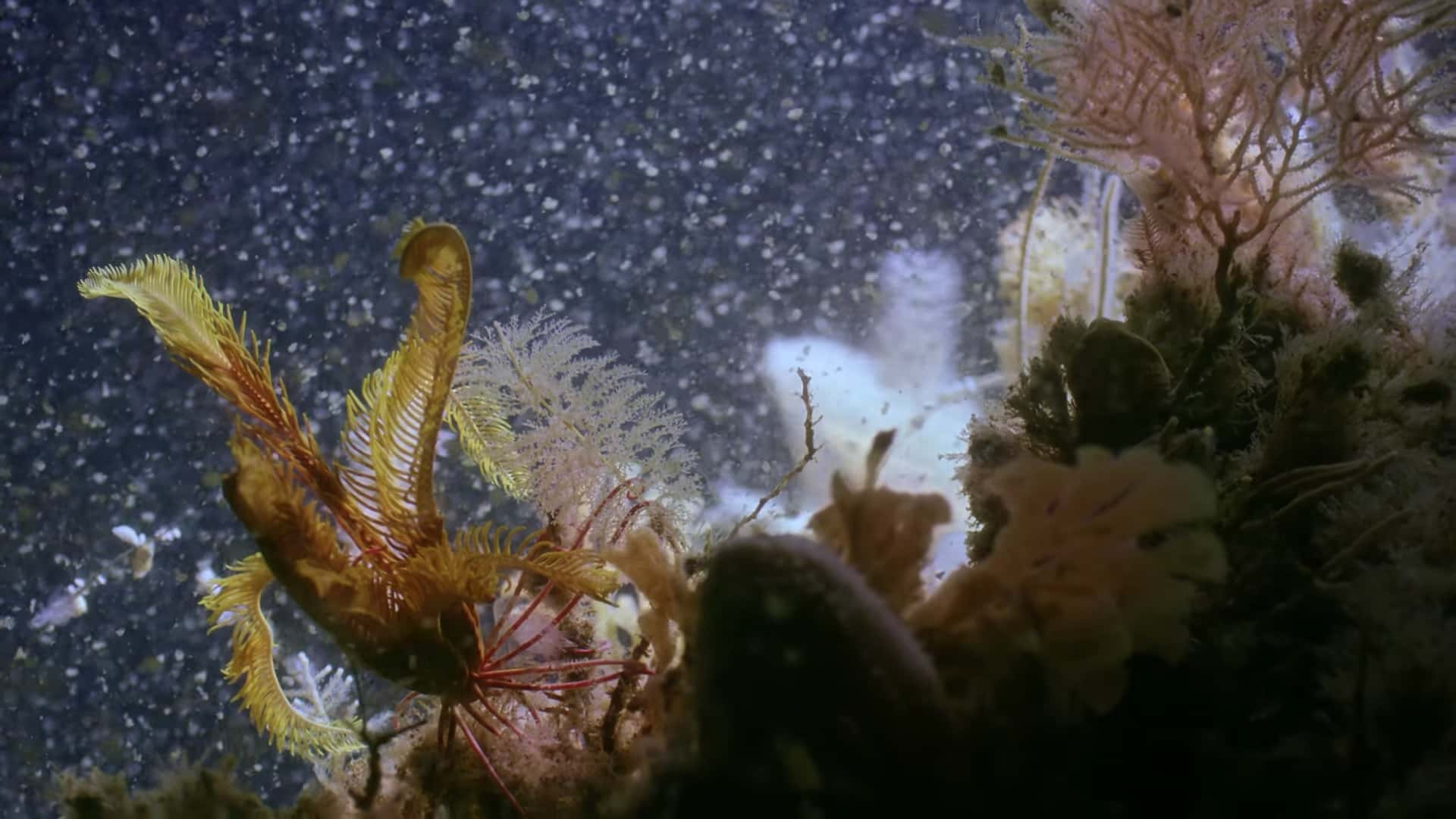
It is organic stuff that sinks to the ocean floor from the ocean’s upper reaches. It is an important source of food for the creatures that dwell under the water. After all, it utilizes sunlight to transfer energy and nutrients from various parts of the sea.
Important Food Source
Krill Poo Too
However, there is another important food source deep in the Antarctic Ocean. We’re talking about krill poop! Krill are small crustaceans that live in the oceans and serve an essential purpose. To be more specific, their feces transform the seafloor into a muddy habitat appropriate for supporting life at that depth. It just so happens that the creatures that flourish in the area are some of the most bizarre species you’ll ever see.
Krill Poo Too
The Antarctic Sunstar
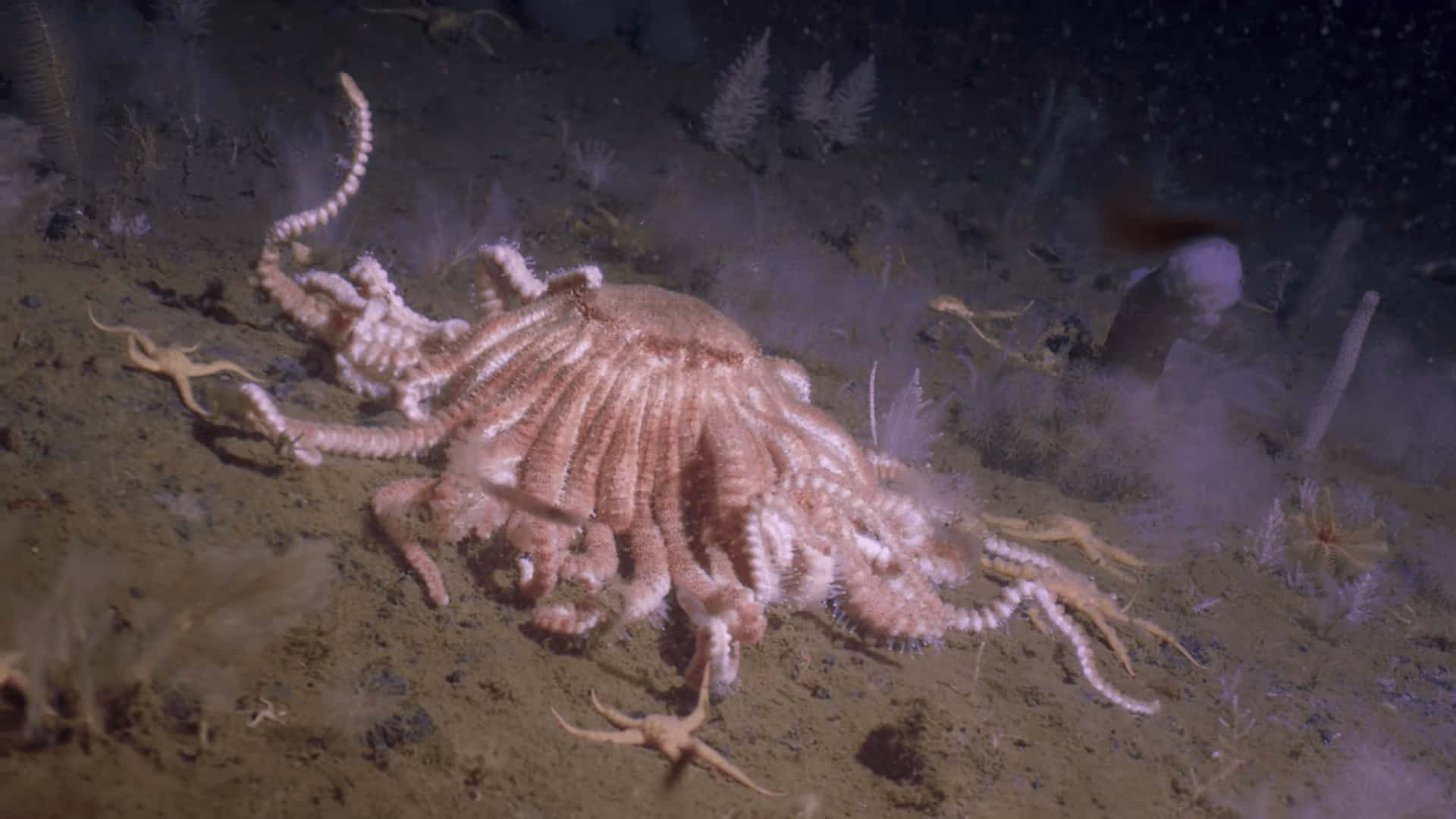
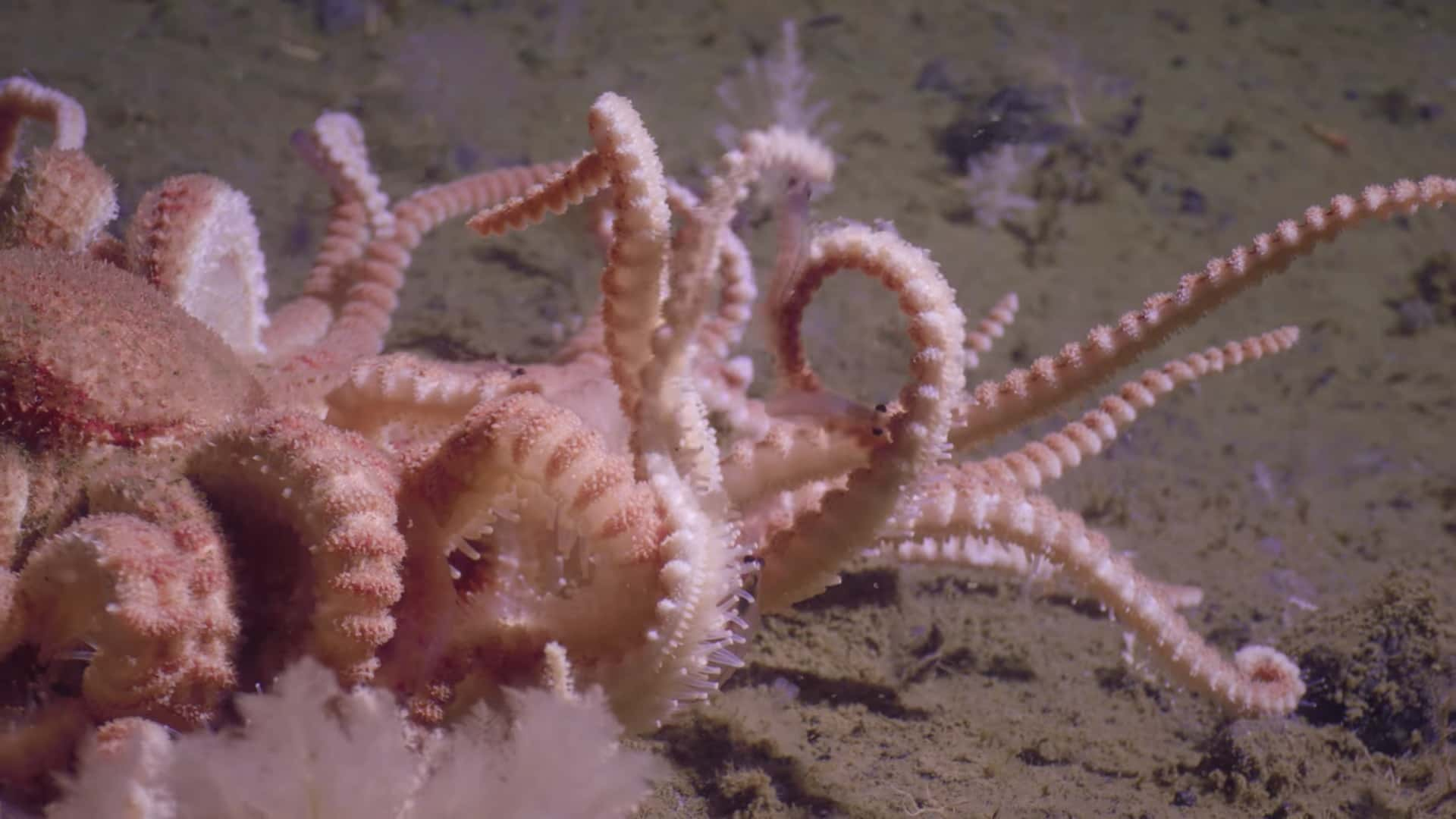
The Antarctic Sunstar was one of the most bizarre animals found by biologists. The researchers, on the other hand, gave it a very sinister name. It was nicknamed the Death Star, and we can understand why. Labidiaster annulatus is the scientific name for the animal. It is a near cousin of the common starfish, however, it is a much stranger species.
The Antarctic Sunstar
Also Known As The Death Star
The Death Star, for example, may have up to 50 arms! It may even grow to the size of a hubcap. The skin of the arms is coated in tiny pincers that lock shut when anything touches them. Most of the time, the unlucky victim is a passing krill. This isn’t the only odd thing about the Sunstar!
Also Known As The Death Star
How It Is Done
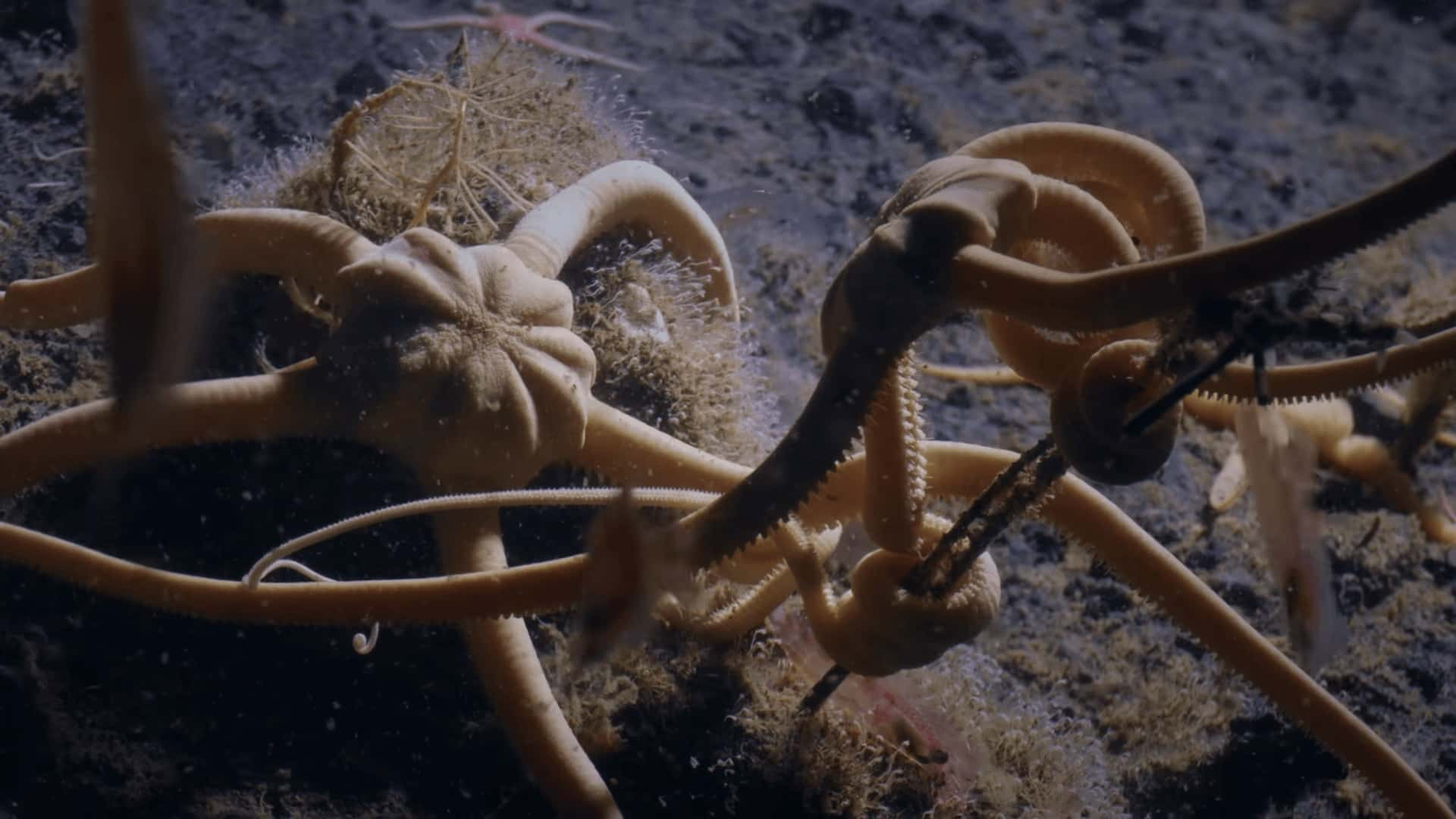
In the rest of the world’s oceans, fish are the primary predators, but the Death Star is here to show us how it’s done in Antarctica. Fish do not live in this area since the water is very cold. As a consequence, invertebrates like the Antarctic Sunstar have risen to the top of the food chain.
How It Is Done
Diving Down There
When you dive into the Antarctic seas, it’s as if you’re seeing through a window into what the oceans were like before people came. “It’s the animals without backbones that dominate and dominate as predators,” Dr. Copley said, “and that’s how the oceans were over 250 million years ago.”
Diving Down There